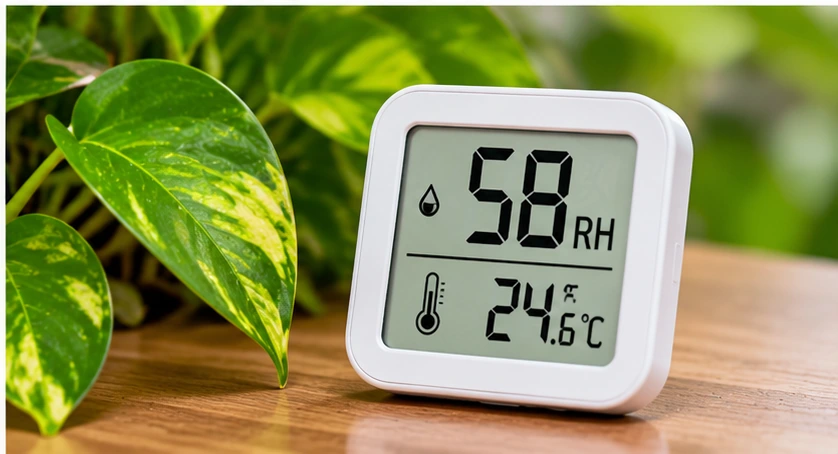
Most popular houseplants—including Monstera, Calathea, Peace Lilies, Ferns, and Philodendrons—originate from mild, humid tropical rainforests. Inside a typical home, however, air conditioners, ceiling fans, and winter radiators strip moisture out of the air, leaving interior humidity far lower than tropical foliage prefers.
When the air is too dry, moisture evaporates from plant foliage quicker than their roots can replace it. The result is brown, brittle leaf ends, curling margins, and stunted new growth. Fortunately, you do not need to transform your living room into a steam room to keep tropical plants content. Below are 6 straightforward, practical methods to raise humidity around your houseplants.
When the air is too dry, moisture evaporates from plant foliage quicker than their roots can replace it. The result is brown, brittle leaf ends, curling margins, and stunted new growth. Fortunately, you do not need to transform your living room into a steam room to keep tropical plants content. Below are 6 straightforward, practical methods to raise humidity around your houseplants.
How Much Humidity Do Indoor Plants Actually Need?
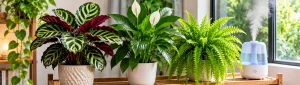
Most homes sit between 30% and 40% relative humidity, especially when heating or air conditioning is running.
-
- Average tropical houseplants (Pothos, Monstera, Philodendron, Rubber Plant): Thrive comfortably around 40% to 50% humidity.
- Humidity-loving plants (Calathea, Maranta, Boston Fern, Maidenhair Fern, Fittonia): Prefer 50% to 60% humidity or higher to keep their leaf edges crisp and healthy.
- Succulents and Cacti (Snake Plant, ZZ Plant, Jade, Aloe): Prefer drier indoor air around 30% to 40% and do not need extra humidity.
You can check your exact room levels anytime with an inexpensive digital hygrometer placed near your plant shelf.
1. Group Your Houseplants Together
Plants naturally release moisture into the air through tiny pores in their leaves—a process called transpiration. When you cluster several houseplants close together on a table, plant stand, or windowsill, they trap that moisture between their leaves and create a gentle, humid microclimate.
-
- Best tip: Leave a couple of inches of space between pots so air can still circulate freely and prevent fungal spots.
2. Use a Pebble Tray With Water
A pebble tray is one of the easiest, zero-electricity ways to add steady moisture right beneath a thirsty plant:
-
- Fill a shallow saucer or waterproof tray with clean pebbles, gravel, or marbles.
- Pour water into the tray until the water level sits just below the top of the stones.
- Set your potted plant on top of the pebbles.
As the water slowly evaporates, it rises directly around the foliage. Important: Make sure the bottom of the pot rests on dry stones above the waterline so the soil never wicks up standing water.
3. Run a Small Room Humidifier
If you grow sensitive plants like Calatheas or Ferns—or if your home gets very dry during winter heating or summer AC—a small cool-mist humidifier is the most reliable solution.
-
- Where to place it: Set the humidifier a couple of feet away from your plant cluster rather than pointing the mist directly onto leaves, which can encourage mildew.
- Maintenance tip: Clean the water tank every few days and use filtered or distilled water if your tap water leaves white mineral dust on furniture and leaves.
4. Move Humidity-Loving Plants to Naturally Damp Rooms
Certain rooms in your home already hold more moisture than living rooms or bedrooms:
-
- Bathrooms with a window: Daily showers create bursts of warm steam that Ferns, Peace Lilies, and Pothos love—just ensure the bathroom receives natural daylight.
- Kitchen windowsills: Cooking, boiling water, and washing dishes naturally keep kitchen air slightly more humid throughout the day.
5. Keep Plants Away From Dry Air Vents and Heaters
Even high humidity disappears quickly if a plant sits in the direct path of dry airflow. Keep tropical foliage several feet away from:
-
- Air-conditioning vents and split AC units
- Room heaters and radiators
- Drafty windows and exterior doors
- Directly beneath fast-spinning ceiling fans
Moving a struggling Calathea or Fern just a few feet away from an AC draft often stops brown leaf tips within weeks.
6. Wipe or Rinse Leaves in the Shower Occasionally
While misting with a spray bottle only raises humidity for a few minutes, giving your houseplants a gentle lukewarm rinse in the shower or sink every few weeks washes off dust, hydrates the foliage, and mimics a natural tropical rainstorm. Let excess water drain completely before returning the pots to their trays.
Why Daily Misting Is Not Enough
Many beginners spray their plants with a hand mister every morning hoping to boost humidity. While misting feels relaxing, the tiny water droplets evaporate within 10 to 15 minutes, barely changing the air moisture around the plant. Worse, water sitting on fuzzy or tightly packed leaves overnight can invite fungal leaf spots. Grouping plants, using a pebble tray, or running a small humidifier works far better long-term.
Final Thoughts
You do not need complicated equipment to help tropical houseplants thrive in dry indoor air. Clustering your plants together, keeping them away from harsh AC or heater vents, and adding a simple pebble tray or small humidifier will prevent crispy brown tips and keep your foliage lush all year long.