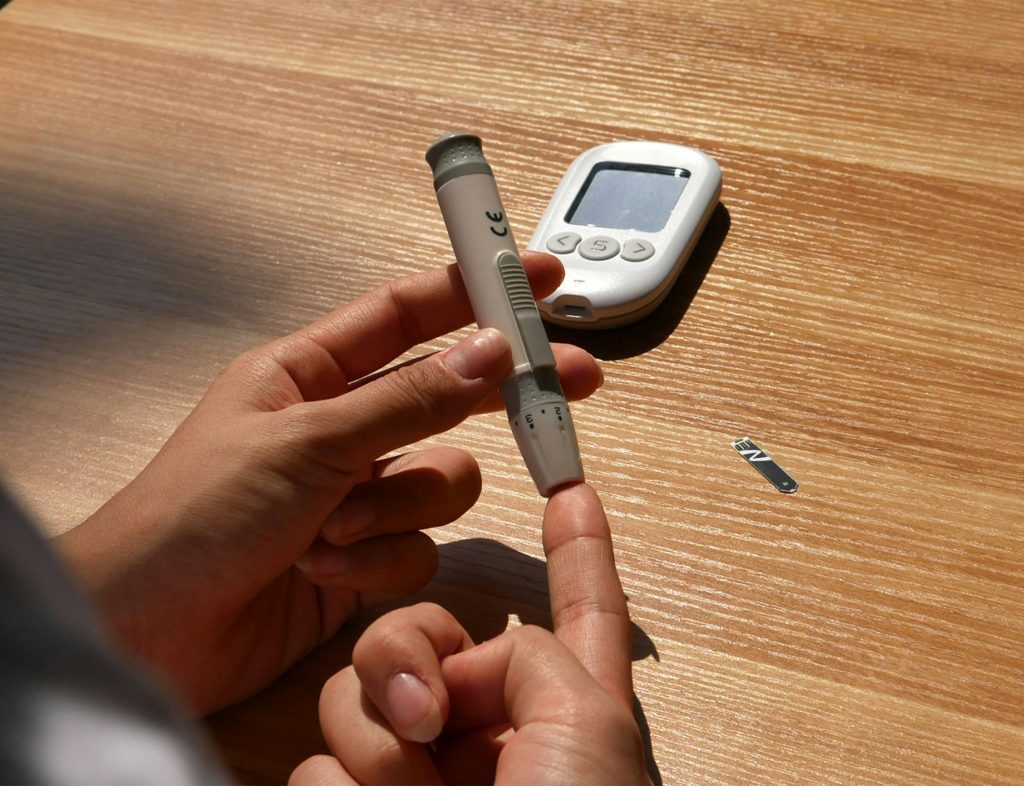
Diabetes can develop gradually, and some people have few noticeable symptoms. Thirst, frequent urination, unexplained weight change, fatigue or blurred vision can justify a medical check, but symptoms alone cannot diagnose diabetes. Blood tests are what establish the diagnosis.
Health note: This article is general education, not diagnosis or individual medical advice.
Early Signs of Diabetes in India: What to Watch For Before It Is Too Late
Medical Disclaimer: This article is for educational purposes only and does not constitute medical advice. Please consult a qualified doctor for diagnosis, testing, and treatment of any health condition.
He was drinking water constantly. My aunt noticed he refilled his bottle three or four times during dinner alone. He was waking up twice every night to use the bathroom, which he attributed to his enlarged prostate. He had lost around six kilograms without trying, which everyone congratulated him on because he had been meaning to lose weight anyway. He was tired all the time, which made sense because he ran a small hardware shop in Rohini and worked long hours. His vision was slightly blurry, which he assumed was age-related and put off getting checked.
None of these things, on their own, seemed alarming. Together, they were his body’s sustained, consistent attempt to tell him that something was seriously wrong.
The diagnosis came after a routine blood test his doctor ordered before a minor knee procedure. His fasting blood sugar was 218 mg/dL. His HbA1c was 9.1%. His doctor told him he had probably been diabetic for at least eighteen months — possibly longer. By that point the peripheral neuropathy — the tingling and numbness in his feet — had already begun.
He manages the condition well today, four years later. But the nerve damage in his feet is permanent. It did not have to be.
Why India Has a Diabetes Crisis Nobody Is Talking About Loudly Enough
The numbers from the International Diabetes Federation’s 2023 atlas are extraordinary even if you have seen them before. India now has over 101 million people living with diabetes — the second highest number in any country in the world. Another estimated 136 million Indians are in the pre-diabetic stage, meaning their blood sugar is elevated and they are on a trajectory toward full diabetes without knowing it.
What makes this particularly alarming in the Indian context is the combination of genetic predisposition and lifestyle change happening simultaneously. South Asians develop insulin resistance at lower body weights than populations of European descent — meaning an Indian person with a BMI of 24 may already have significant metabolic risk that a Western clinical guideline would not flag. Add to this the rapid shift in urban India toward sedentary office work, refined carbohydrate-heavy diets, chronic sleep deprivation, and high stress — and you have the conditions for exactly the epidemic we are living through.
The tragedy is that Type 2 diabetes, caught early, is one of the most manageable chronic conditions in medicine. Caught late — after years of elevated blood sugar have damaged nerves, kidneys, eyes, and blood vessels — it is one of the most debilitating. The difference between these two outcomes is often nothing more than a single ₹150 blood test taken at the right time.
Who Is Most at Risk — And Why You Should Not Assume It Is Not You
Before the symptoms, the risk factors. If you have any of the following, please read the rest of this article with particular attention and consider getting tested regardless of whether you currently have symptoms:
Family history is the most significant risk factor. If either of your parents has diabetes, your risk is approximately 40% over your lifetime. If both parents have it, your risk rises to 70%. This is not destiny — lifestyle changes can substantially reduce genetic risk — but it means you need to be more vigilant, not less.
Abdominal fat specifically raises insulin resistance risk more than fat stored elsewhere in the body. Indian men with a waist measurement above 90 centimetres and Indian women above 80 centimetres are in a higher risk category regardless of their overall weight or BMI.
Physical inactivity is both a risk factor and a warning sign. Our bodies evolved to move. Sitting for eight or more hours a day — which describes most urban Indian office workers — creates metabolic conditions that promote insulin resistance over time.
PCOS (Polycystic Ovary Syndrome) affects approximately one in five Indian women of reproductive age and carries a significantly elevated risk of Type 2 diabetes due to the insulin resistance that underlies it. If you have been diagnosed with PCOS, regular blood sugar monitoring is not optional — it is essential.
Age above 40 used to be the benchmark. Increasingly in urban India, doctors are seeing Type 2 diabetes in people in their late twenties and early thirties. The age threshold is shifting and the assumption that diabetes is something that happens to older people is actively dangerous for younger Indians with risk factors.
The 12 Signs — What They Feel Like in Real Life
1. Frequent Urination, Especially Through the Night
The specific pattern to watch for: previously sleeping through the night and now waking two or three times. Or needing to urinate within an hour of having just gone. If this has become your normal over the past few months, it deserves a blood sugar check — not a prostate consultation, not an assumption about fluid intake.
2. Thirst That Drinking Does Not Satisfy
The excessive urination from the previous point creates dehydration, which creates persistent, intense thirst. People in the early stages of diabetes describe a thirst that is different from normal — you drink a full glass of water and ten minutes later you are thirsty again. In India, this is frequently attributed to summer heat or insufficient water intake during winter. But if it is happening in December or January in Delhi or Pune, heat is not the explanation.
3. Weight Loss You Did Not Work For
My uncle lost six kilograms and received compliments. What was actually happening was his body breaking down fat and muscle for energy because his cells could not properly use the glucose circulating in his blood. This kind of weight loss happens without dietary changes, without increased exercise, sometimes while eating normally or even more than usual. Any unexplained weight loss of more than three to four kilograms over two to three months warrants medical evaluation — diabetes is one of several serious conditions that can cause it.
4. Fatigue That Sleep Does Not Fix
This is perhaps the most commonly dismissed symptom because it overlaps so completely with the general exhaustion of modern Indian life. The fatigue of early diabetes is qualitatively different from being tired after a long day — it is present in the morning after a full night of sleep, it does not respond to rest or caffeine, and it is accompanied by a physical heaviness that many people describe as feeling like they are moving through water.
I remember my uncle saying he felt like he could sleep for twelve hours and wake up still tired. At the time we attributed this to his work schedule. In retrospect the cause was obvious.
5. Blurred Vision That Changes Through the Day
High blood sugar causes fluid levels to fluctuate in the lens of the eye, changing its shape and affecting how it focuses light. The resulting blurriness can come and go — clearer in the morning, worse after meals when blood sugar spikes. Many people get new glasses or attribute this to screen time. A blood sugar check is cheap and should happen before a new spectacle prescription if the blurriness is new and variable.
6. Cuts and Scratches That Refuse to Heal
Elevated blood sugar impairs both circulation and immune function — the two systems your body depends on to heal wounds. What would normally be a minor cut that closes in three to four days instead stays open, weeps, and may even show early signs of infection. This is particularly dangerous on the feet where circulation is already weaker. Any wound on your foot that has not shown clear improvement within five to seven days is a reason to see a doctor and request a blood sugar test if you have not had one recently.
7. Tingling or Numbness in the Hands and Feet
By the time this symptom is present, blood sugar has typically been elevated for a significant period — sometimes years. The nerve damage that produces it does not fully reverse even with excellent subsequent blood sugar control. This is why early detection matters so much for this particular complication.
8. Recurring Fungal Infections
Glucose-rich blood and urine create ideal conditions for fungal and bacterial growth. Women experience this most commonly as recurring vaginal yeast infections or urinary tract infections that return within weeks of treatment. Men and women both may notice persistent fungal infections between the toes, in skin folds, or in the groin area. The pattern to watch for is infections that keep returning despite appropriate treatment — this persistence suggests the underlying blood sugar environment is supporting regrowth.
9. Dark Velvety Patches on Skin
Acanthosis nigricans — a darkening and thickening of skin in the neck folds, armpits, groin, or knuckles — is one of the most visually identifiable signs of insulin resistance. In Indian skin tones it can appear as what looks like persistent dirt in the neck creases that cannot be washed away. The texture is slightly velvety or rough rather than flat. This is a direct physical sign that insulin resistance is present and that diabetes risk is elevated — not a cosmetic issue and not related to hygiene.
10. Hunger Shortly After Eating
When insulin is not working properly, the glucose from your food circulates in your blood but cannot enter your cells efficiently. Your cells, starved of the energy they need, send hunger signals despite the fact that your blood glucose level is actually elevated. This paradox — being hungry when your blood sugar is high — is called polyphagia and is a meaningful clinical symptom when it occurs consistently after normal-sized meals.
11. Dry Mouth and Persistently Itchy Skin
The fluid loss from frequent urination leaves mucous membranes and skin dehydrated regardless of how much water you drink. Persistent dry mouth — not explained by medication or breathing through your mouth — and skin that is chronically dry, rough, and itchy particularly on the lower legs are consistent with the dehydration pattern of elevated blood sugar.
12. Headaches and Difficulty Thinking Clearly
Blood sugar that swings between elevated and then dropping — particularly before meals — affects brain function. The cognitive symptoms include difficulty concentrating, a foggy quality to thinking, irritability that appears without obvious cause, and headaches that are particularly common before meals or in the late afternoon. In working adults this is almost universally attributed to stress or insufficient sleep. When it is consistent and patterned — worse before meals, improved after eating — it deserves investigation.
What to Do Right Now if You Recognise Yourself in This List
If three or more of the above describe your experience over the past few months — please get tested this week. Not eventually. This week.
The test you need is straightforward and widely available:
Go to any pathology lab — Metropolis, Dr Lal PathLabs, SRL, or your local neighbourhood lab — and ask for a fasting blood glucose test and an HbA1c. You do not need a doctor’s referral at most labs. Fast for eight hours beforehand (water is fine). The combined test costs between ₹300 and ₹600 depending on the lab and city.
Interpreting your results:
Fasting blood glucose below 100 mg/dL and HbA1c below 5.7% — normal. Retest annually if you have risk factors.
Fasting blood glucose between 100 and 125 mg/dL or HbA1c between 5.7% and 6.4% — pre-diabetes. This is reversible. See a doctor and begin lifestyle changes immediately.
Fasting blood glucose above 126 mg/dL on two separate occasions or HbA1c above 6.5% — diabetes. See a physician or endocrinologist for a formal diagnosis and treatment plan.
The Part That Actually Gives Me Hope
The neuropathy in his feet — the tingling and numbness — is still there. It will always be there. But everything else is managed and he is, by his own description, healthier than he was at 45 before the diagnosis.
This is what catching diabetes — even at a later stage than ideal — and managing it properly looks like. Imagine what catching it at the pre-diabetes stage looks like. Imagine reversing it entirely before it requires any medication at all.
That is what the ₹150 blood test can do. That is why I am asking you to get it done.
A Final Word
Share this article with someone over 40 in your family. Share it with the family member who is always tired. The one who has gained weight around the middle and lost it from elsewhere. The one who refills their water glass constantly. The one whose small cuts take too long to heal.
They may dismiss the suggestion. That is fine. Plant the seed anyway. Sometimes the seed takes a while to grow into action — but it grows.
Medical Disclaimer: This article is for educational and informational purposes only. It does not constitute medical advice, diagnosis, or treatment. Always consult a qualified doctor or endocrinologist for any health concerns. The personal story shared in this article reflects real experience but individual symptoms and circumstances vary — only a medical professional can assess your specific situation.
Sources and verification
For factual or time-sensitive points, start with primary or official sources:
Links are provided for verification; external pages can change after this article is updated.
Continue on ppdv.in

Alen edits ppdv.in and writes practical guides for readers in India. Articles use published sources where factual accuracy matters and are updated when important information changes.