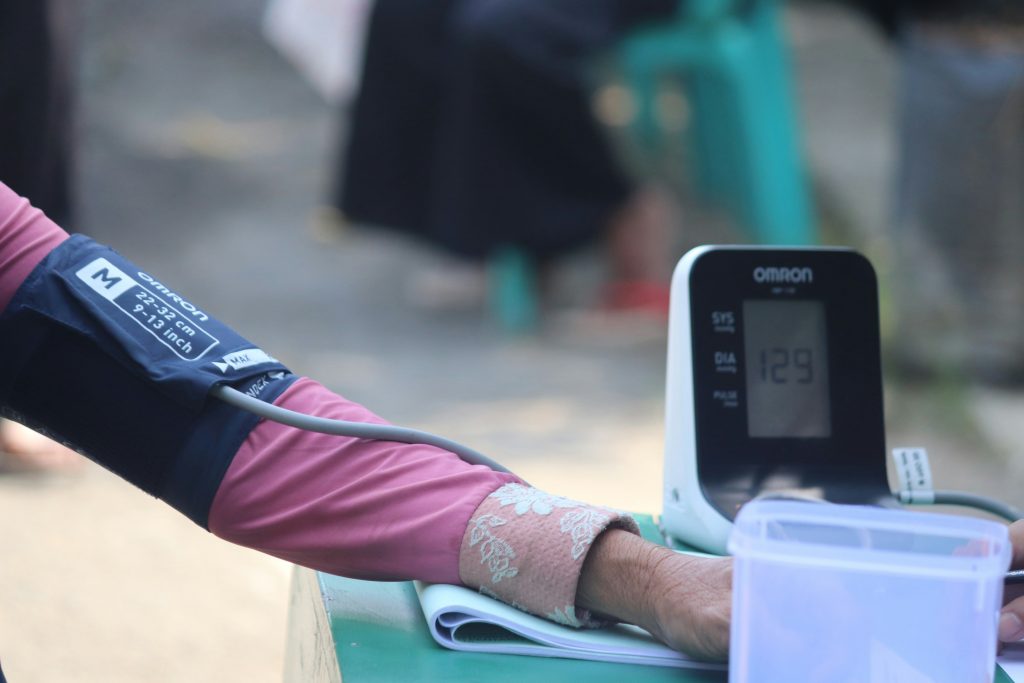
High blood pressure is often called a “silent” condition for a reason: many people feel normal even when their readings are consistently high. The World Health Organization says checking blood pressure is the best way to know whether you have hypertension. Waiting for a headache, dizziness or another symptom can mean waiting too long.
What is high blood pressure?
Blood pressure is recorded as two numbers in millimetres of mercury (mmHg). The first, systolic pressure, reflects pressure when the heart contracts. The second, diastolic pressure, reflects pressure between beats.
The WHO defines hypertension in adults as systolic blood pressure of 140 mmHg or higher and/or diastolic blood pressure of 90 mmHg or higher when readings are taken on two different days. Other clinical guidelines may use different categories or treatment targets, so a doctor should interpret your results in the context of your age, medicines, pregnancy status and other health conditions.
Why screening matters in India
Hypertension is a major public-health issue in India and many people are unaware they have it. That makes routine measurement more useful than symptom checklists. A reading takes only a few minutes and can identify a problem before complications become the first sign.
Does high blood pressure cause warning signs?
Usually, no. Most people with hypertension do not have symptoms. Some people with very high readings may develop severe headache, chest pain, dizziness, difficulty breathing, nausea, vomiting, blurred or altered vision, anxiety, confusion or nosebleeds. Those symptoms are not specific to blood pressure and can have other causes.
If a blood-pressure reading is around 180/120 mmHg or higher and you also have concerning symptoms such as chest pain, severe shortness of breath, neurological symptoms, confusion or major vision changes, seek urgent medical care. Do not try to diagnose the situation from an article.
Who should pay closer attention to blood pressure?
Risk rises with age and can also be affected by family history, excess dietary salt, tobacco use, harmful alcohol use, low physical activity, excess body weight, diabetes, kidney disease and other conditions. Pregnancy can also involve blood-pressure problems that need prompt medical assessment.
If you already have diabetes, kidney disease, cardiovascular disease, take medicines that affect blood pressure, or have previously had elevated readings, ask your clinician how often you should check.
How to get a more useful home reading
- Use a validated upper-arm monitor with a cuff that fits your arm.
- Avoid exercise, smoking and caffeine shortly before a planned reading.
- Sit quietly for several minutes with your back supported and feet on the floor.
- Rest the arm so the cuff is roughly at heart level and do not talk during the reading.
- Take more than one reading and record the date, time and numbers. A pattern is more useful than one isolated result.
Home monitoring can be useful, but it does not replace professional assessment. Bring your recorded readings — and, if possible, your monitor — to a medical appointment if values are repeatedly high or unusually different from your normal range.
What can help lower blood-pressure risk?
Evidence-based measures include reducing excess salt, eating more fruit and vegetables, being physically active, avoiding tobacco, limiting harmful alcohol use and working toward a healthy weight where appropriate. People prescribed blood-pressure medicine should take it as directed and discuss side effects or concerns with the prescriber rather than stopping it on their own.
What not to do
- Do not assume you are safe because you “feel fine.” Hypertension is often symptomless.
- Do not stop prescribed medication because a few readings improve.
- Do not use supplements, detoxes or home remedies as a replacement for diagnosis or prescribed treatment.
- Do not repeatedly recheck a dangerously high reading for hours while severe symptoms are present; seek urgent care.
When to arrange a medical check
Book a medical assessment if your home readings are repeatedly elevated, if a pharmacy or workplace screening repeatedly flags high values, or if you have risk factors that make monitoring especially important. A clinician may repeat measurements, review medicines and lifestyle factors, and decide whether additional tests or treatment are appropriate.
Medical note: This article is for general education and cannot diagnose or treat hypertension.
Sources and verification
For factual or time-sensitive points, start with primary or official sources:

Alen edits ppdv.in and writes practical guides for readers in India. Articles use published sources where factual accuracy matters and are updated when important information changes.