


The United Kingdom will not be dragged into a broader Middle East conflict, Prime Minister Keir Starmer has insisted, as tensions surrounding the strategically vital Strait of Hormuz continue to shake global markets and diplomacy.
Speaking after a series of high-level discussions with international partners, Starmer emphasized that the UK is focused on working with allies to stabilize the region and secure shipping routes rather than escalating military confrontation. His comments come amid rising fears that the crisis in the Middle East could spiral into a larger regional war involving global powers.
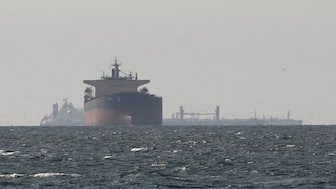
The narrow waterway of the Strait of Hormuz is one of the most important energy corridors in the world, with roughly one-fifth of global oil supplies passing through it daily. Any disruption has immediate consequences for oil prices, global trade, and geopolitical stability.
As energy markets fluctuate and diplomatic efforts intensify, Starmer’s message is clear: the UK seeks cooperation, deterrence, and stability — not escalation.
Why the Strait of Hormuz Matters to the World


The Strait of Hormuz sits between Iran and Oman, linking the Persian Gulf with the Gulf of Oman and the wider Indian Ocean.
Despite being only about 21 miles (34 km) wide at its narrowest point, it is arguably the most critical maritime oil transit chokepoint on Earth.
Key facts about the strait include:
-
Around 20% of global oil consumption moves through the waterway.
-
Major energy exporters including Saudi Arabia, United Arab Emirates, Kuwait, and Iraq rely on the route.
-
Liquefied natural gas shipments from Qatar also pass through the strait.
Because of its strategic importance, even temporary disruptions or military tensions can send shockwaves through global energy markets.
Recent escalations have already pushed oil prices higher and triggered concerns about shipping safety, insurance costs, and international supply chains.
Starmer’s Message: Avoiding a Wider War
Prime Minister Keir Starmer addressed the crisis during a press briefing following diplomatic consultations with several Western and regional leaders.
His central message was clear: the UK will not allow itself to be pulled into a wider war.
According to Starmer, Britain’s immediate priorities are:
-
Protecting international shipping
-
Working with allies to ensure freedom of navigation
-
Preventing further escalation in the Middle East
He said Britain is engaged in active discussions with partners including the North Atlantic Treaty Organization and regional governments to develop a coordinated response that protects shipping while avoiding unnecessary military escalation.
The prime minister stressed that diplomacy and cooperation remain the most effective path forward.
Coordination With International Allies

International cooperation is at the heart of the UK’s strategy.
Starmer confirmed that Britain is working closely with key allies including:
-
United States
-
France
-
Germany
-
Australia
-
Japan
The goal of these discussions is to create a coordinated maritime security plan that protects commercial shipping passing through the Strait of Hormuz.
Such plans could involve:
-
Intelligence sharing
-
Naval patrol coordination
-
Escort missions for oil tankers
-
Diplomatic pressure to prevent further escalation
However, Starmer emphasized that Britain does not want to escalate the crisis through aggressive military deployment.
Instead, the UK wants to maintain stability and prevent the situation from turning into a broader regional conflict.
The UK’s Strategic Interests in the Region
The United Kingdom has long maintained a strategic presence in the Gulf region.
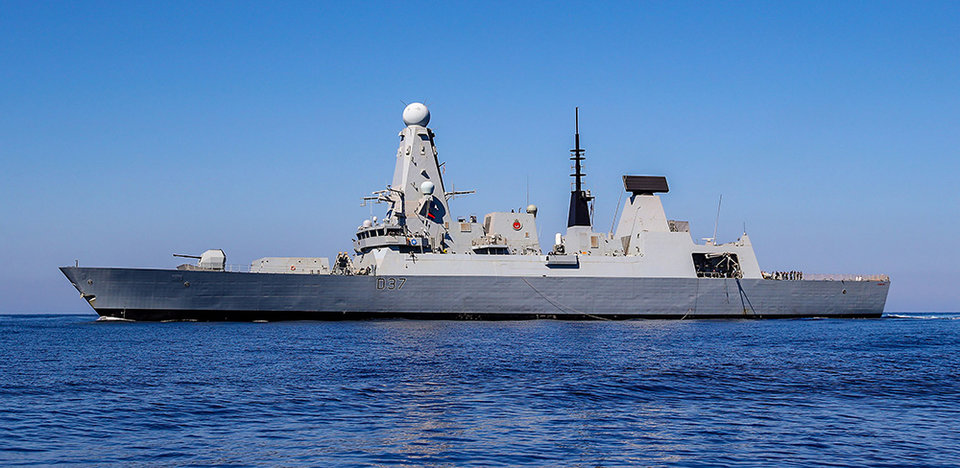
The Royal Navy regularly conducts operations in the Middle East to protect international shipping lanes.
Britain also maintains a naval support facility in Bahrain, which allows British forces to operate quickly in the region.
For the UK, protecting shipping through the Strait of Hormuz is essential because:
-
Britain relies on global energy markets
-
Disruptions increase fuel and energy costs
-
Instability affects international trade routes
-
Escalation risks broader global economic consequences
As a major trading nation, Britain’s economy is highly sensitive to disruptions in global shipping lanes.
Rising Energy Prices and Economic Risks
The crisis has already had visible effects on energy markets.
Oil prices have surged amid fears that disruptions to the Strait of Hormuz could choke global supply.
Analysts warn that if the situation worsens, crude oil could rise significantly above current levels, potentially triggering:
-
Higher petrol prices
-
Increased inflation
-
Slower economic growth
For European economies already coping with fragile recovery and high living costs, such a spike would be particularly damaging.
Energy analysts say that even limited disruptions to tanker traffic can cause significant price volatility.
Insurance costs for ships traveling through the Gulf have already risen sharply.
The Role of Diplomacy
Diplomatic engagement remains central to the UK government’s strategy.
Starmer has spoken with several world leaders to coordinate responses and encourage de-escalation.
These diplomatic conversations focus on:
-
Maintaining freedom of navigation
-
Preventing military miscalculations
-
Encouraging dialogue between regional powers
The United Kingdom has historically played a diplomatic role in Middle Eastern conflicts, balancing its alliance with Western partners while supporting stability in the region.
Starmer’s government hopes diplomacy can prevent the current tensions from escalating into open conflict.
How the Crisis Could Affect Global Trade
The Strait of Hormuz is not only vital for energy shipments — it is also crucial for global commerce.
Thousands of vessels pass through the strait each year carrying:
-
Oil
-
Liquefied natural gas
-
Industrial goods
-
Consumer products
If shipping were significantly disrupted, global supply chains could face serious delays.
This could lead to:
-
Increased shipping costs
-
Delays in international trade
-
Price increases for consumer goods
For countries heavily dependent on imported energy, the impact would be particularly severe.
Regional Tensions Driving the Crisis
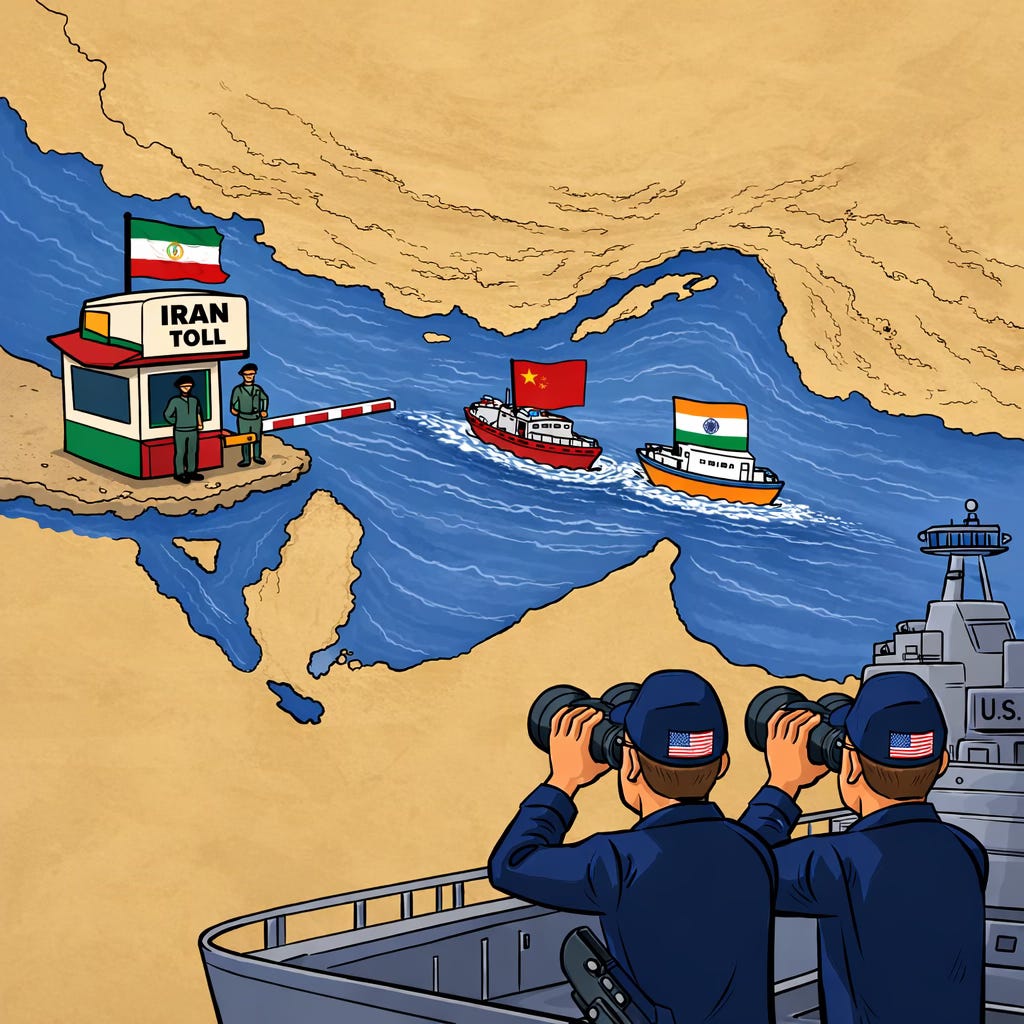


The latest tensions have been driven by escalating confrontations in the region, involving naval incidents, drone strikes, and political rhetoric.
Regional rivalries involving Iran and several Western-backed states have intensified the situation.
Military analysts warn that even small incidents — such as the interception of ships or drones — could rapidly escalate.
This is why international leaders, including Starmer, are emphasizing restraint and diplomatic coordination.
The United States and the Strait of Hormuz
The United States has historically played a central role in securing the Strait of Hormuz.
The United States Navy maintains a significant presence in the Gulf region and has previously led multinational operations aimed at protecting shipping lanes.
Washington has called on allies to support efforts to ensure maritime security.
However, some countries remain cautious about military involvement, fearing that a heavy military presence could escalate tensions further.
This delicate balance between deterrence and diplomacy is shaping the international response.
Domestic Political Reactions in the UK
Starmer’s stance has sparked debate within British politics.
Supporters argue that avoiding a wider war is the responsible approach, especially given the unpredictable consequences of military escalation.
Critics, however, say the UK must be prepared to act decisively if international shipping is threatened.
Some lawmakers believe Britain should take a stronger leadership role in maritime security missions.
Others argue that diplomacy should remain the primary tool for resolving the crisis.
What Happens Next?
The coming weeks will be crucial for determining whether tensions ease or escalate further.
Key factors to watch include:
-
Diplomatic negotiations between regional powers
-
Naval security arrangements in the Gulf
-
Global oil price movements
-
International coalition decisions
For now, Starmer’s message reflects a cautious strategy: support allies, protect shipping, and avoid a broader conflict.
Conclusion
The crisis surrounding the Strait of Hormuz has once again highlighted the fragile balance between geopolitics, energy security, and global trade.
As tensions continue to rise in the Middle East, Prime Minister Keir Starmer has made it clear that Britain’s priority is preventing a wider war while working closely with international allies to secure vital shipping routes.
The stakes are enormous. The Strait of Hormuz is not merely a regional issue — it is a lifeline for the global economy.
Disruptions to the waterway could affect everything from fuel prices to international trade and geopolitical stability.
By emphasizing diplomacy, cooperation, and maritime security, the UK hopes to prevent the crisis from spiraling into a larger conflict.
Whether these efforts succeed will depend on the willingness of global powers and regional actors to step back from escalation and pursue peaceful solutions.
For now, the world is watching the Strait of Hormuz — a narrow channel whose stability has enormous consequences for the entire planet.