


The world’s attention has once again turned to the volatile waters of the Strait of Hormuz, one of the most critical energy chokepoints on the planet. In a dramatic escalation of tensions in the Middle East, Donald Trump has reportedly ordered U.S. military forces to ensure the passage of ships through the narrow maritime corridor — even if it means using force.
The move comes after weeks of mounting attacks on commercial shipping, rising hostilities involving Iran, and fears that the waterway could be effectively closed to global trade.
Because nearly 20% of the world’s oil supply flows through the Strait of Hormuz, any disruption can shake global energy markets, trigger geopolitical crises, and even spark wider conflict.
This article explains why Trump sent military forces to the region, what the Strait of Hormuz means for the global economy, how Iran is involved, and what could happen next.
Why the Strait of Hormuz Is So Important


The Strait of Hormuz is a narrow waterway connecting the Persian Gulf to the Gulf of Oman and ultimately the Indian Ocean.
At its narrowest point, the channel is only about 21 miles (33 km) wide, with designated shipping lanes just a few miles across.
Despite its size, the strait serves as the primary export route for oil and gas from the Middle East, including shipments from:
-
Saudi Arabia
-
United Arab Emirates
-
Kuwait
-
Iraq
-
Qatar
-
Iran
According to energy analysts, more than 20 million barrels of oil pass through the Strait of Hormuz every day.
That means if shipping stops, the consequences would ripple through the global economy almost immediately.
Oil prices could spike dramatically, supply chains would tighten, and inflation could surge worldwide.
Why Trump Ordered Military Forces to the Strait

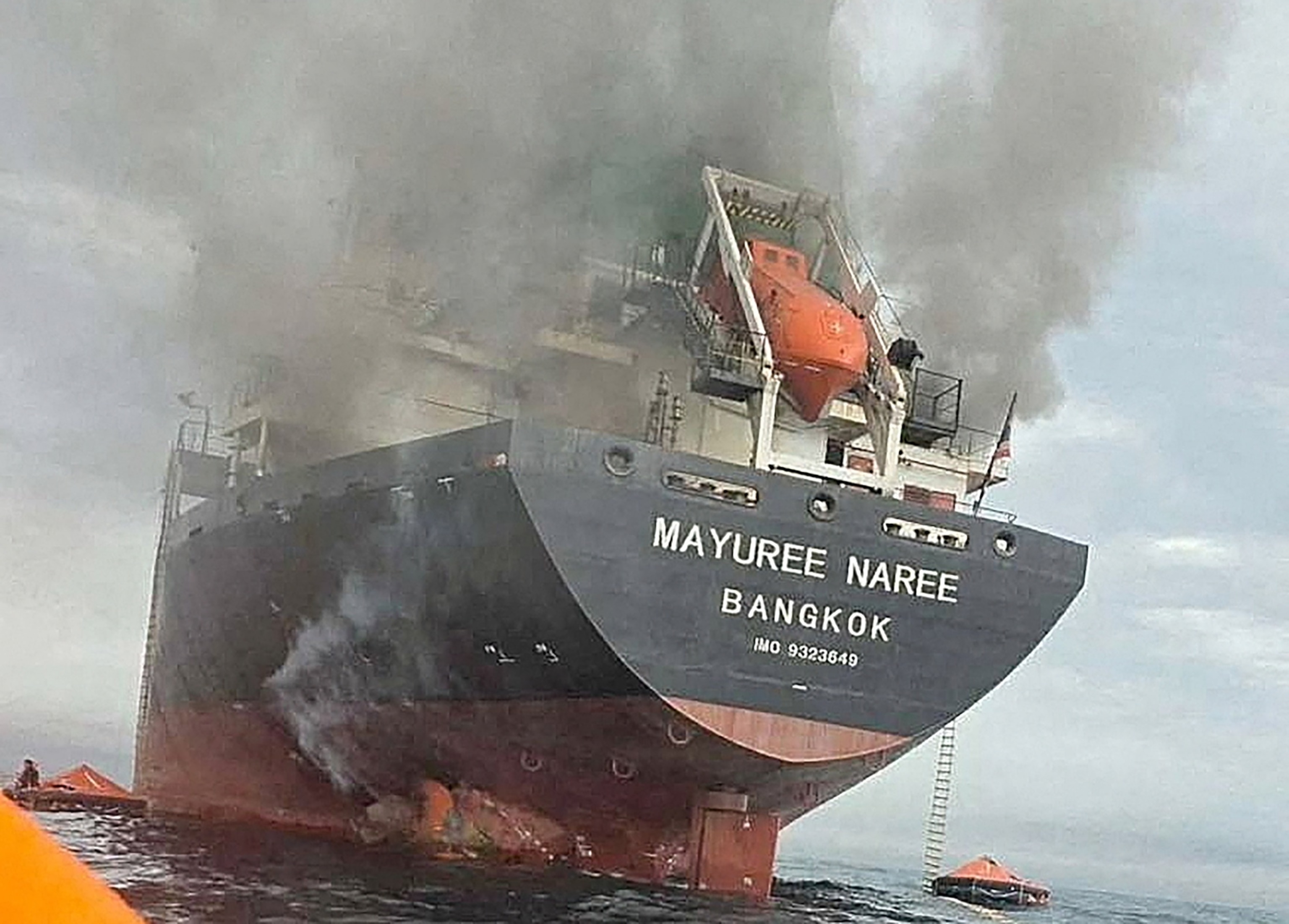

The decision by Donald Trump to deploy military forces came after a series of escalating incidents in the region.
Recent reports indicated:
-
Several oil tankers were attacked or seized.
-
Commercial ships reported harassment by armed boats.
-
Missile and drone threats increased along shipping routes.
Washington accused Iran and its regional allies of threatening international navigation.
In response, Trump reportedly authorized U.S. naval and marine forces to guarantee safe passage through the Strait of Hormuz.
The mission has been described by defense officials as a “freedom of navigation operation with enforcement capability.”
In simple terms, the United States aims to ensure that ships can travel through the strait even if military force is required.
This could include:
-
Naval escorts for oil tankers
-
Patrols by U.S. destroyers and frigates
-
Surveillance aircraft monitoring the region
-
Marine units ready for boarding operations
The goal is clear: prevent Iran or any other actor from blocking the global oil corridor.
Rising Tensions With Iran

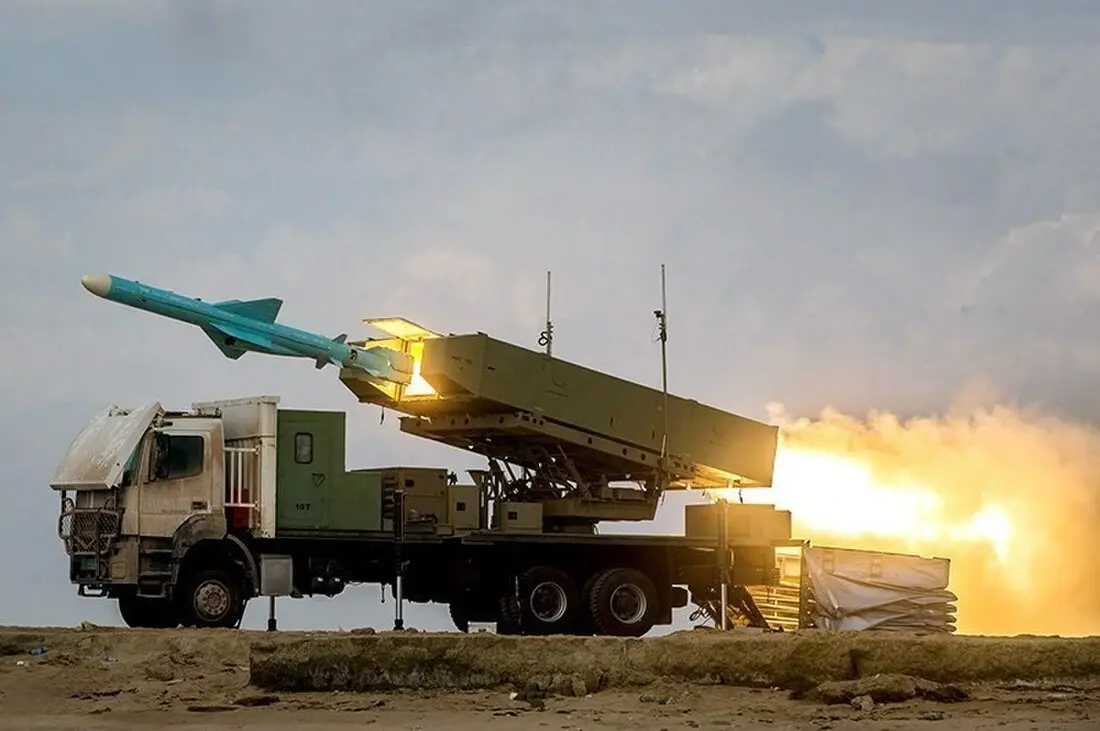

The crisis centers on escalating tensions between the United States and Iran.
Tehran has repeatedly warned that if its oil exports are blocked by sanctions or attacks, it could close the Strait of Hormuz.
Iran’s Islamic Revolutionary Guard Corps controls many naval operations in the region and maintains a network of missile batteries, fast attack boats, and drones capable of targeting ships.
Military analysts say Iran has several ways to disrupt the strait:
-
Naval mines placed in shipping lanes
-
Missile strikes on tankers
-
Swarm attacks by fast boats
-
Drone attacks on vessels
-
Seizure of commercial ships
Even small disruptions can cause massive economic damage.
Insurance costs for tankers would skyrocket, and many shipping companies might avoid the area altogether.
What “Opening the Strait by Force” Actually Means
If the U.S. military carries out its mission fully, it could involve several possible actions.
1. Escorting Commercial Ships
U.S. warships could accompany tankers through the strait to deter attacks.
This approach has been used before during previous crises in the Persian Gulf.
2. Destroying Threats
If missiles, mines, or attack boats threaten shipping, U.S. forces could strike them.
This could include:
-
Airstrikes
-
Naval missile launches
-
Drone attacks
3. Mine Clearing Operations
If mines are deployed, U.S. Navy minesweepers would work to remove them.
4. Direct Confrontation
In the worst case, clashes could occur between U.S. forces and Iranian naval units.
Such an incident could rapidly escalate into a broader regional conflict.
Impact on Global Oil Markets


Energy markets are extremely sensitive to events in the Strait of Hormuz.
Because the strait handles such a large portion of global oil exports, even the threat of disruption can push prices higher.
Historically, tensions in the strait have triggered sharp spikes in crude prices.
For example:
-
Oil prices surged during tanker attacks in the Gulf in past years.
-
Shipping insurance premiums increased dramatically.
-
Some companies temporarily rerouted shipments.
If the strait were closed completely, analysts say oil prices could surge above $150 per barrel.
That would impact everything from gasoline prices to airline tickets and shipping costs.
How Other Countries Are Responding
Many countries rely heavily on oil shipments passing through the Strait of Hormuz.
As a result, global powers are watching the situation closely.
The European Union has called for de-escalation and diplomacy.
Meanwhile:
-
The United Kingdom has deployed naval patrols to protect shipping.
-
The France has supported maritime security missions.
-
China has urged restraint because it relies heavily on Gulf oil imports.
-
India has increased monitoring of shipping routes used by its tankers.
Many nations fear that military confrontation could spiral into a larger regional war.
Could This Lead to a Wider War?
One of the biggest fears among diplomats is that any clash in the Strait of Hormuz could escalate rapidly.
If U.S. forces attack Iranian military targets or vice versa, retaliation could follow.
Possible escalation scenarios include:
-
Missile strikes on regional oil facilities
-
Attacks on military bases in the Middle East
-
Drone attacks on energy infrastructure
-
Cyber warfare targeting financial systems
The Middle East already faces tensions involving multiple conflicts and alliances.
A direct confrontation between the United States and Iran could draw in other countries across the region.
Historical Context: Past Strait of Hormuz Crises
This is not the first time the Strait of Hormuz has become a flashpoint.
One major historical episode occurred during the Tanker War in the 1980s.
During that conflict:
-
Tankers were attacked by missiles and mines.
-
Several ships were damaged or sunk.
-
The U.S. Navy escorted Kuwaiti tankers through the gulf.
Another key moment came during the Iran–Iraq War, when both sides targeted shipping to weaken each other’s economies.
These historical precedents show how quickly maritime tensions can escalate.
Strategic Importance Beyond Oil
Although oil dominates headlines, the Strait of Hormuz also carries other important cargo.
These include:
-
Liquefied natural gas (LNG) shipments
-
Refined petroleum products
-
Industrial chemicals
-
Consumer goods
Countries like Japan and South Korea rely heavily on energy imports that pass through the strait.
If shipping were disrupted, the consequences would extend far beyond the Middle East.
Military Balance in the Persian Gulf
The United States maintains one of the most powerful naval presences in the region.
The United States Navy operates:
-
Aircraft carrier strike groups
-
Guided missile destroyers
-
Submarines
-
Surveillance aircraft
Iran, however, has developed asymmetric tactics designed specifically for the narrow waters of the Persian Gulf.
These include:
-
Fast attack boats
-
Coastal missile batteries
-
Naval mines
-
Drone warfare
Military analysts say Iran’s strategy focuses on making the strait too dangerous for commercial traffic, even if it cannot defeat the U.S. Navy outright.
Diplomatic Efforts to Prevent Escalation
Despite rising tensions, diplomatic channels remain active.
Negotiators from several countries are attempting to reduce tensions and prevent conflict.
Possible diplomatic solutions include:
-
Maritime security agreements
-
Temporary ceasefires
-
Negotiations on sanctions
-
International monitoring missions
Some analysts believe that a negotiated arrangement to protect shipping could still emerge.
What Happens Next?
The situation remains extremely fluid.
Several possible scenarios could unfold in the coming weeks:
-
Successful U.S. naval protection of shipping
-
Limited clashes between U.S. and Iranian forces
-
Diplomatic negotiations to ease tensions
-
A wider regional conflict
Much will depend on whether further attacks occur in the Strait of Hormuz.
For now, global markets, governments, and shipping companies are watching the situation closely.
Conclusion
The decision by Donald Trump to send military forces to open the Strait of Hormuz by force marks one of the most significant escalations in Middle East tensions in recent years.
Because the strait serves as a critical artery for global energy supplies, any conflict there could affect economies worldwide.
With oil markets, global trade, and regional security all at stake, the coming weeks will likely determine whether the crisis leads to military confrontation — or a fragile diplomatic solution.
One thing is certain: the Strait of Hormuz remains one of the most strategically important and dangerous waterways in the world.