


The escalating tensions in the Middle East have once again brought the Strait of Hormuz into the global spotlight. As one of the world’s most strategically vital shipping routes, any disruption in this narrow waterway sends shockwaves through international markets and geopolitical alliances. Amid mounting calls from allies for a coordinated military response to ensure safe passage for oil tankers, UK Prime Minister Keir Starmer has taken a firm stance: Britain will not send warships to the Strait of Hormuz.
The decision has sparked intense debate across political circles, defense communities, and global energy markets. Supporters argue that avoiding military escalation is a wise move, while critics claim the UK risks weakening its role as a key global security partner.
This article explores the background behind the crisis, the strategic importance of the Strait of Hormuz, the political reasoning behind Starmer’s decision, reactions from allies and critics, and the broader implications for global energy supply and Britain’s international standing.
The Strategic Importance of the Strait of Hormuz


The Strait of Hormuz is often described as the world’s most critical oil chokepoint. Located between Iran and Oman, the narrow waterway connects the Persian Gulf to the Gulf of Oman and the Arabian Sea.
Every day, millions of barrels of oil pass through this passage, supplying energy to economies across Europe, Asia, and North America. Analysts estimate that roughly 20% of the world’s oil trade moves through the strait.
This makes the region extremely sensitive to geopolitical tensions.
When instability emerges—whether through naval confrontations, mines, or shipping disruptions—the consequences can include:
-
Immediate spikes in global oil prices
-
Shipping delays for commercial vessels
-
Increased insurance costs for tankers
-
Heightened military presence by global powers
Because of these risks, Western allies have often coordinated naval patrols to keep the route open.
Rising Tensions in the Gulf
The current crisis developed amid a broader escalation between Western powers and Iran. Several commercial vessels recently reported security incidents in the Gulf region, raising fears that shipping lanes could become targets.
The United States, under President Donald Trump, has been urging allies to form a naval coalition to safeguard international shipping routes.
Washington’s proposal reportedly included:
-
Deploying multinational naval patrols
-
Escorting oil tankers through risky zones
-
Monitoring potential mine threats
-
Increasing intelligence-sharing among allied navies
Countries such as France, Germany, and several Gulf states have been involved in discussions about potential responses.
However, Britain’s response under Starmer has diverged from expectations.
Starmer’s Decision: No British Warships


Prime Minister Keir Starmer has made it clear that the UK will not deploy additional Royal Navy warships to the Strait of Hormuz, despite requests from international partners.
Speaking to reporters and members of Parliament, Starmer emphasized the importance of de-escalation rather than military expansion.
He stressed several key points:
-
Avoiding direct military escalation in an already volatile region.
-
Prioritizing diplomatic solutions to maritime tensions.
-
Ensuring British forces are not drawn into another prolonged Middle East conflict.
The Prime Minister reportedly believes that increasing military presence could heighten tensions rather than reduce them.
Instead, the UK government is focusing on diplomatic coordination with European partners and regional governments.
The Royal Navy’s Current Role in the Region

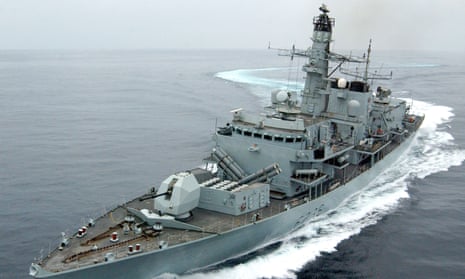

Although the UK will not send additional warships, the Royal Navy already maintains a limited presence in the region.
British naval forces are involved in several ongoing operations including:
-
Maritime security patrols
-
Anti-piracy missions
-
Cooperation with Gulf partners
-
Intelligence sharing on shipping threats
These operations often take place alongside international forces under various security frameworks.
However, Starmer’s government has ruled out expanding these deployments specifically to confront the current tensions in the Strait of Hormuz.
Political Reactions in the UK
The Prime Minister’s decision has triggered a lively debate within British politics.
Support from Labour Allies
Supporters within the governing Labour Party (UK) argue that avoiding military escalation aligns with the party’s broader foreign policy philosophy.
Several Labour MPs believe Britain should focus on diplomacy, economic stability, and international law rather than military intervention.
They point to past conflicts in the Middle East that escalated quickly after military deployments.
Criticism from the Opposition
Opposition figures from the Conservative Party (UK) have criticized the decision, arguing that Britain risks appearing weak on global security.
Critics say the UK has historically played a leading role in protecting international shipping routes and should not retreat from that responsibility.
Some Conservative MPs have warned that failing to support allied patrols could undermine Britain’s credibility with key partners.
International Reactions
The decision has also drawn reactions from global allies.
United States
Officials in United States have privately expressed disappointment that Britain will not contribute additional naval assets.
Washington has long relied on British naval capabilities in multinational maritime security operations.
European Union
Within European Union, the response has been more mixed.
Some European leaders share Starmer’s concern that sending more warships could escalate tensions.
Others believe that stronger naval patrols are necessary to reassure global markets and shipping companies.
Impact on Global Oil Markets
Even the possibility of disruptions in the Strait of Hormuz can cause significant movements in global energy markets.
The strait handles massive oil shipments from major producers including:
-
Saudi Arabia
-
United Arab Emirates
-
Kuwait
-
Iraq
When tensions rise, traders often react quickly by pushing oil prices higher.
This can affect:
-
Fuel costs for consumers
-
Global inflation rates
-
Shipping and insurance costs
-
Economic growth forecasts
Energy analysts warn that any prolonged disruption could have major consequences for the global economy.
The UK’s Broader Middle East Strategy
Starmer’s refusal to deploy warships reflects a broader recalibration of Britain’s approach to the Middle East.
Rather than prioritizing military presence, the government is focusing on:
-
Diplomatic engagement
-
Conflict mediation
-
Regional partnerships
-
Economic cooperation
This strategy aims to maintain stability without escalating tensions.
Some analysts say this approach mirrors a wider trend among Western governments seeking to reduce direct military involvement in the region.
Risks of Escalation in the Gulf
Despite diplomatic efforts, the risk of escalation remains real.
Security analysts warn that several factors could still trigger a crisis:
-
Naval confrontations between regional forces
-
Accidental clashes between patrol vessels
-
Attacks on commercial tankers
-
Deployment of naval mines
Any of these events could quickly lead to broader military involvement.
That is why the international community continues to monitor developments in the Strait of Hormuz closely.
Britain’s Role in Global Maritime Security
Historically, the UK has played a major role in safeguarding international shipping routes.
As one of the world’s leading naval powers, Britain has participated in numerous maritime security missions around the globe.
The Royal Navy has long protected key trade routes from:
-
Piracy
-
Smuggling
-
Terrorism
-
Regional conflict
Some critics argue that stepping back from Hormuz patrols could weaken Britain’s reputation as a reliable maritime security partner.
However, government officials insist the UK remains committed to global maritime safety through diplomacy and multilateral cooperation.
Diplomatic Efforts to Reduce Tensions
The UK government is currently working with international partners to find diplomatic solutions to the crisis.
These efforts include:
-
Dialogue with Gulf states
-
Engagement with European allies
-
Coordination with international maritime organizations
-
Encouraging de-escalation among regional powers
Diplomatic channels remain active in an attempt to prevent further instability.
Officials say avoiding military escalation is key to maintaining long-term stability.
What Happens Next?
The situation in the Strait of Hormuz remains fluid.
Several possible scenarios could unfold in the coming weeks:
-
Diplomatic breakthrough leading to reduced tensions
-
Formation of a multinational naval patrol without UK expansion
-
Continued instability affecting global shipping
-
A broader geopolitical confrontation in the Gulf
Much will depend on how regional actors and global powers respond to the evolving situation.
Conclusion
Prime Minister Keir Starmer’s refusal to send additional British warships to the Strait of Hormuz marks a significant moment in UK foreign policy.
The decision highlights a strategic shift toward diplomacy and de-escalation rather than military intervention.
While critics argue that Britain risks weakening its global security role, supporters believe the move could help prevent further tensions in an already volatile region.
As global markets watch closely and diplomatic efforts continue, the future of the Strait of Hormuz—and Britain’s role in securing it—remains uncertain.
What is clear, however, is that this narrow waterway will continue to shape global geopolitics, energy security, and international alliances for years to come.