


The escalating confrontation between Iran and the United States has reached one of its most dangerous phases in decades. At the centre of this geopolitical crisis is the Strait of Hormuz — a narrow yet critical maritime chokepoint through which nearly 20% of the world’s oil supply flows.
Now, Iran has issued its starkest warning yet: if former U.S. President Donald Trump follows through on threats to strike Iranian power plants, the Strait will be “completely closed.”
This development not only raises the spectre of a broader Middle East war but also threatens to send shockwaves through global energy markets, economies, and international security.
What triggered the latest escalation?
The current crisis stems from a rapid chain of military and political actions tied to the ongoing Iran war, now entering its fourth week.
- Donald Trump issued a 48-hour ultimatum demanding Iran fully reopen the Strait of Hormuz
- He warned that failure to comply would result in the U.S. “obliterating” Iranian power plants
- Iran responded by threatening total closure of the Strait and broader retaliation
According to reports, Iran’s Revolutionary Guards made it clear that any attack on its energy infrastructure would be met with severe consequences — not just for the U.S., but for the wider region.
This tit-for-tat escalation reflects a dangerous pattern: each side increasing pressure in ways that risk triggering uncontrollable conflict.
Why the Strait of Hormuz matters so much


The Strait of Hormuz is not just another shipping route — it is the lifeline of global energy supply.
- Around one-fifth of global oil and gas shipments pass through it daily
- It connects major producers like Saudi Arabia, Iraq, Kuwait, and the UAE to global markets
- Key economies, including China, India, and European nations, depend heavily on it
Any disruption — partial or complete — can trigger immediate spikes in oil prices, supply shortages, and economic instability worldwide.
In fact, recent tensions have already pushed oil prices above $100 per barrel, highlighting how sensitive markets are to developments in the region.
Iran’s position: Conditional access and total closure threat
Iran has maintained a nuanced but increasingly aggressive stance.
On one hand, officials have stated that the Strait remains open to most shipping — except vessels linked to “enemy” nations.
On the other hand, Tehran has made it clear that escalation will change that policy instantly.
Key elements of Iran’s warning include:
- Full closure of the Strait if U.S. strikes occur
- Retaliation against regional energy infrastructure
- Potential targeting of companies with U.S. ties
This dual approach — partial restriction combined with total closure threats — gives Iran leverage while maintaining plausible deniability in international forums.
Trump’s strategy: Maximum pressure through energy threats
Donald Trump’s ultimatum represents a return to his hallmark “maximum pressure” strategy.
His demands are simple but extreme:
- Fully reopen the Strait without conditions
- Guarantee safe passage for all vessels
- Comply within a strict 48-hour deadline
Failure, he says, will result in direct attacks on Iran’s energy infrastructure, particularly power plants.
This approach aims to:
- Force Iran into compliance quickly
- Reassure global markets
- Demonstrate U.S. military dominance
However, critics argue it risks provoking exactly the outcome it seeks to avoid — a complete shutdown of the Strait and a wider regional war.
The military dimension: A rapidly expanding conflict

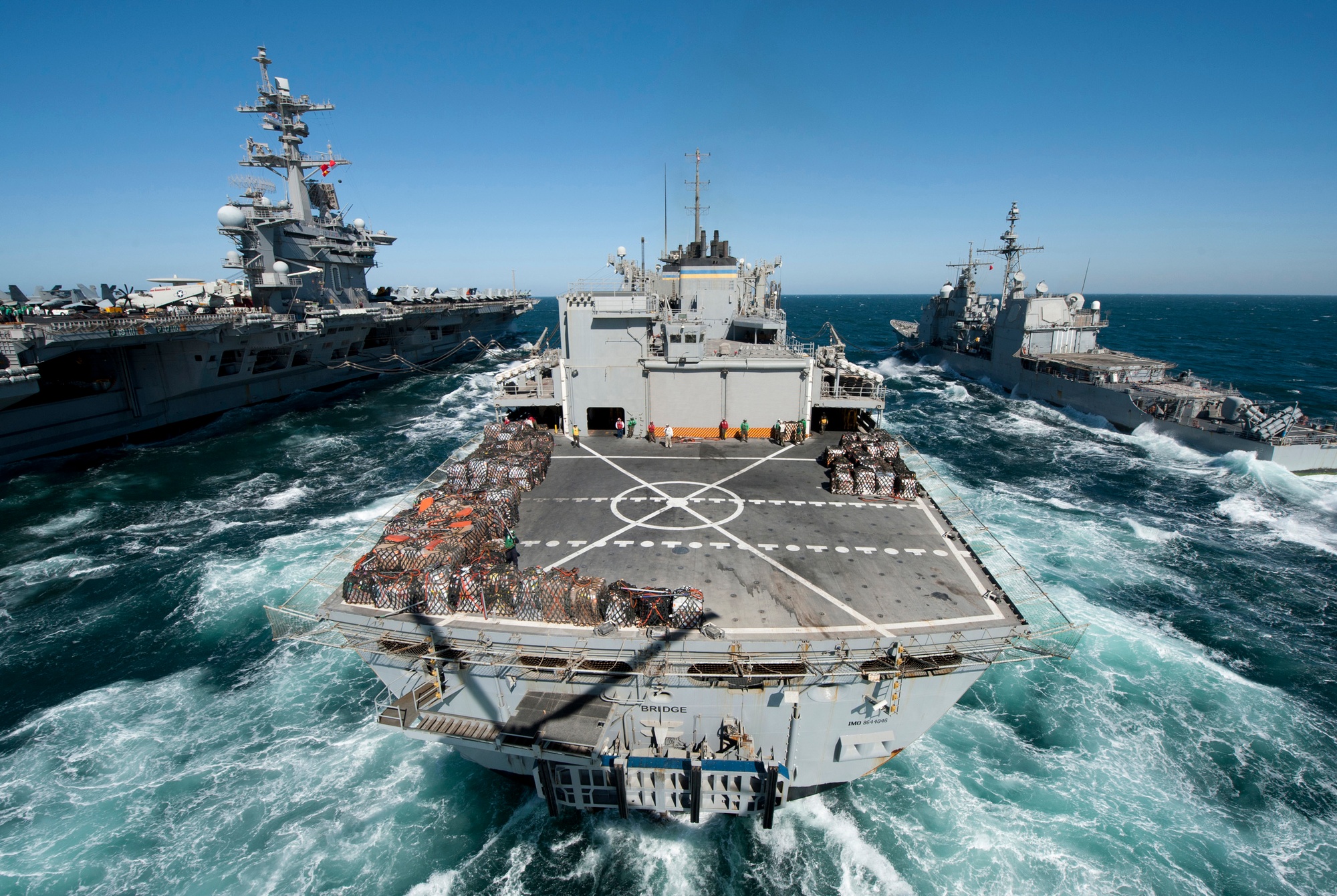
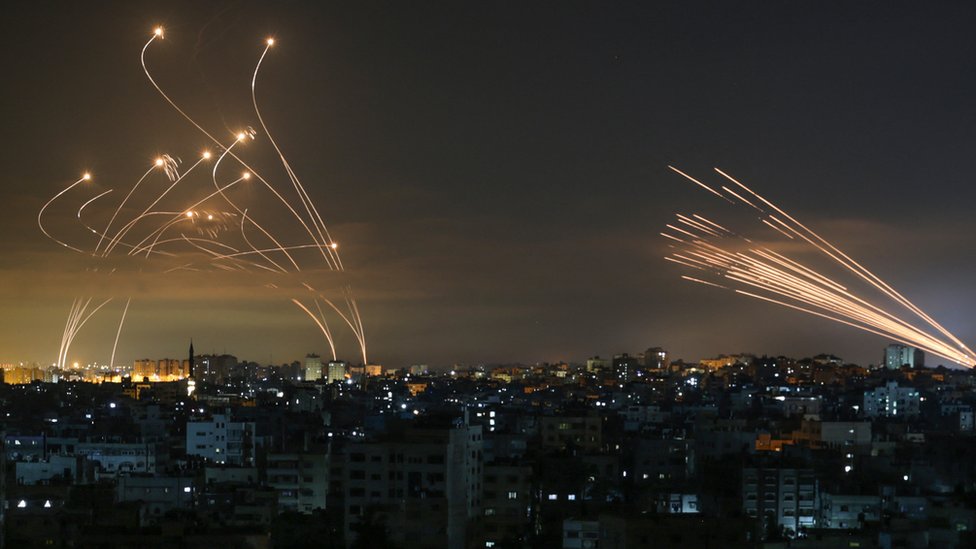
The situation is not unfolding in isolation. It is part of a broader military escalation across the Middle East.
Recent developments include:
- Iranian missile strikes on Israeli targets, injuring civilians
- Israeli retaliatory strikes on Iranian positions
- Threats against U.S. and allied bases in the region
- Increased naval deployments in the Persian Gulf
The conflict has already caused thousands of casualties and widespread displacement, signalling a humanitarian crisis alongside the geopolitical one.
Could Iran actually close the Strait?
This is one of the most critical questions — and the answer is complex.
Yes, Iran has the capability
Iran controls the northern side of the Strait and has:
- Naval mines
- Fast attack boats
- Anti-ship missiles
- Drone warfare capabilities
Historically, Iran has demonstrated its ability to disrupt shipping, even if only temporarily.
But closure comes with risks
Shutting the Strait entirely would also hurt Iran:
- Its own oil exports depend on the same route
- It risks provoking a massive international military response
- It could alienate key allies like China
Still, in a high-stakes conflict scenario, Iran may view closure as a strategic last resort.
Global economic consequences
If the Strait of Hormuz were fully closed, the economic fallout would be immediate and severe.
Oil and energy prices
- Prices could surge to $150+ per barrel
- Fuel costs would spike globally
- Energy shortages could hit multiple regions
Inflation and cost of living
- Higher transport costs
- Rising food prices
- Increased household energy bills
Stock markets and global growth
- Market volatility
- Reduced investor confidence
- Risk of global recession
For countries like the UK, the impact would be felt quickly through higher petrol prices, increased inflation, and economic uncertainty.
International response: Calls for de-escalation
World leaders are increasingly alarmed by the situation.
- The UK, EU, and Japan have urged restraint
- NATO allies are discussing maritime security operations
- Some countries are considering deploying warships to protect shipping
There are also discussions about:
- Releasing strategic oil reserves
- Establishing naval escort missions
- Diplomatic efforts through the United Nations
Despite these efforts, the situation remains volatile and unpredictable.
The risk of a wider Middle East war
Perhaps the most alarming aspect of this crisis is its potential to expand beyond Iran and the U.S.
Possible escalation scenarios include:
- Direct clashes between U.S. and Iranian forces
- Attacks on Gulf states hosting U.S. bases
- Involvement of regional actors like Hezbollah
- Disruption across multiple shipping routes
Iran has already warned it could target infrastructure across the Middle East if attacked.
Such a scenario would transform a regional conflict into a global crisis.
Energy markets on edge
Even without full closure, the mere threat to the Strait is enough to shake global markets.
Shipping through the region has already:
- Dropped dramatically
- Become more expensive due to insurance risks
- Faced delays and rerouting
Energy traders are reacting in real time, pricing in the possibility of prolonged disruption.
What happens next?
The next steps depend heavily on whether the U.S. follows through on its threat.
Scenario 1: Diplomatic breakthrough
- Iran agrees to reopen the Strait
- U.S. suspends planned strikes
- Tensions ease temporarily
Scenario 2: Limited military action
- U.S. targets specific infrastructure
- Iran responds with controlled retaliation
- Conflict remains contained
Scenario 3: Full escalation
- Iran closes the Strait completely
- U.S. and allies intervene militarily
- Global economic and security crisis unfolds
At present, the world appears to be on the brink between scenarios two and three.
What this means for everyday people
While the crisis may seem distant, its effects could reach households worldwide.
In the UK and beyond, people could experience:
- Higher fuel prices within days
- Increased food and energy costs
- Economic uncertainty affecting jobs and wages
This is why the Strait of Hormuz — though geographically small — has such outsized importance in global affairs.
Conclusion: A tipping point in global geopolitics
Iran’s warning that it will “completely close” the Strait of Hormuz if the U.S. strikes its power plants marks a critical turning point.
It signals:
- A willingness to escalate beyond rhetoric
- A readiness to disrupt global energy systems
- A confrontation that could reshape international relations
At the same time, Trump’s ultimatum underscores a high-risk strategy aimed at forcing immediate compliance through overwhelming pressure.
The result is a dangerous standoff where miscalculation could trigger global consequences.
As the clock ticks on the 48-hour deadline, the world watches closely — aware that what happens next in the narrow waters of the Strait of Hormuz could define the trajectory of global security, energy, and economic stability for years to come.