


Tensions in the Middle East have surged dramatically after Iranian leadership-linked sites were reportedly targeted by the United States and Israel, triggering retaliatory strikes from Tehran across the region. The rapidly evolving situation has raised fears of broader escalation, disrupted global markets, and intensified diplomatic efforts from world powers trying to prevent a full-scale regional conflict.
This in-depth analysis explores what happened, why it matters, who is involved, and what could happen next. We break down the geopolitical context, military implications, regional reactions, and potential global consequences of this high-stakes confrontation.
What Happened: A New Phase in Regional Tensions
Reports indicate that leadership-related facilities in Iran were targeted in coordinated operations allegedly linked to the United States and Israel. While official confirmations remain cautious and tightly controlled, regional intelligence sources suggest that command-and-control infrastructure and strategic assets associated with senior Iranian leadership were among the sites affected.
In response, Tehran launched retaliatory strikes targeting assets and interests across multiple parts of the Middle East, including military installations and strategic positions connected to its perceived adversaries.
The developments mark a dangerous escalation in an already volatile environment shaped by years of shadow warfare, cyber operations, proxy conflicts, and covert intelligence operations.
The Strategic Context: US–Iran–Israel Triangle
To understand the gravity of the situation, it is essential to examine the long-standing tensions among these three major players:
-
Iran
-
United States
-
Israel
The rivalry has deep roots:
-
Iran and Israel have engaged in years of indirect confrontation, including cyber warfare, covert operations, and strikes in Syria.
-
The United States and Iran have experienced heightened hostility since Washington withdrew from the 2015 nuclear agreement and reimposed sanctions.
-
Israel has consistently warned against Iran’s nuclear ambitions and military expansion across the region.
This latest exchange appears to signal a shift from indirect confrontation toward more overt strategic targeting.
Why Leadership Sites Matter
Targeting leadership-linked facilities is a significant escalation. These sites typically include:
-
Strategic command centers
-
Military planning hubs
-
Communication infrastructure
-
Intelligence coordination facilities
Such targets are symbolically and strategically important. Strikes against them send a powerful message intended to:
-
Undermine operational capability
-
Demonstrate military reach
-
Deter further aggression
-
Shift the balance of power
However, they also risk provoking strong retaliation, which is precisely what unfolded.
Tehran’s Retaliation: Strikes Across the Region
Following the reported strikes on leadership-linked sites, Iran responded with coordinated attacks across multiple regional theaters.
Key Areas Impacted
-
Positions in Iraq and Syria
-
Strategic maritime corridors
-
Military-linked assets in disputed territories
Iran has historically relied on both direct missile capabilities and allied regional networks to project power. Analysts suggest that the retaliatory actions were calibrated to demonstrate strength without necessarily triggering immediate full-scale war — though the situation remains fluid.
Military Capabilities in Focus
Iran’s Arsenal


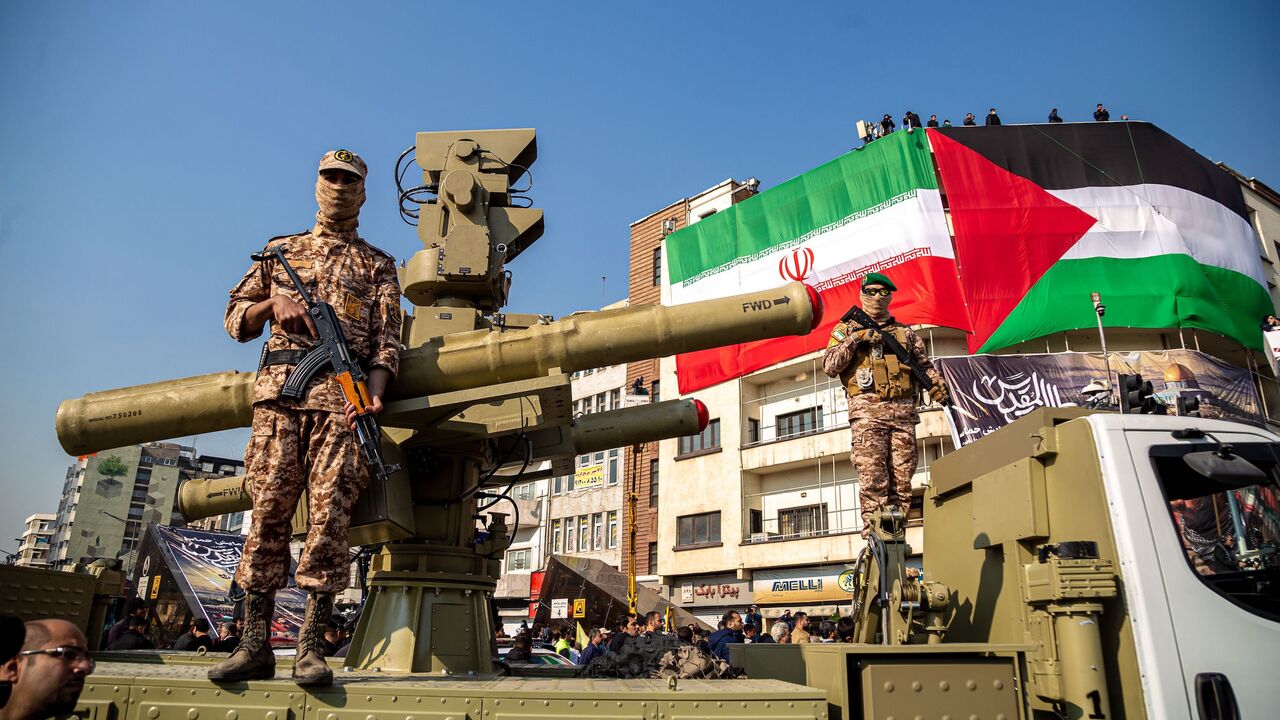
Iran possesses:
-
A large ballistic missile program
-
Advanced drone capabilities
-
Regional proxy networks
-
Asymmetric warfare strategies
Its missile and drone capabilities have expanded significantly in recent years, allowing Tehran to strike targets at considerable distances.
Israel’s Defense Systems

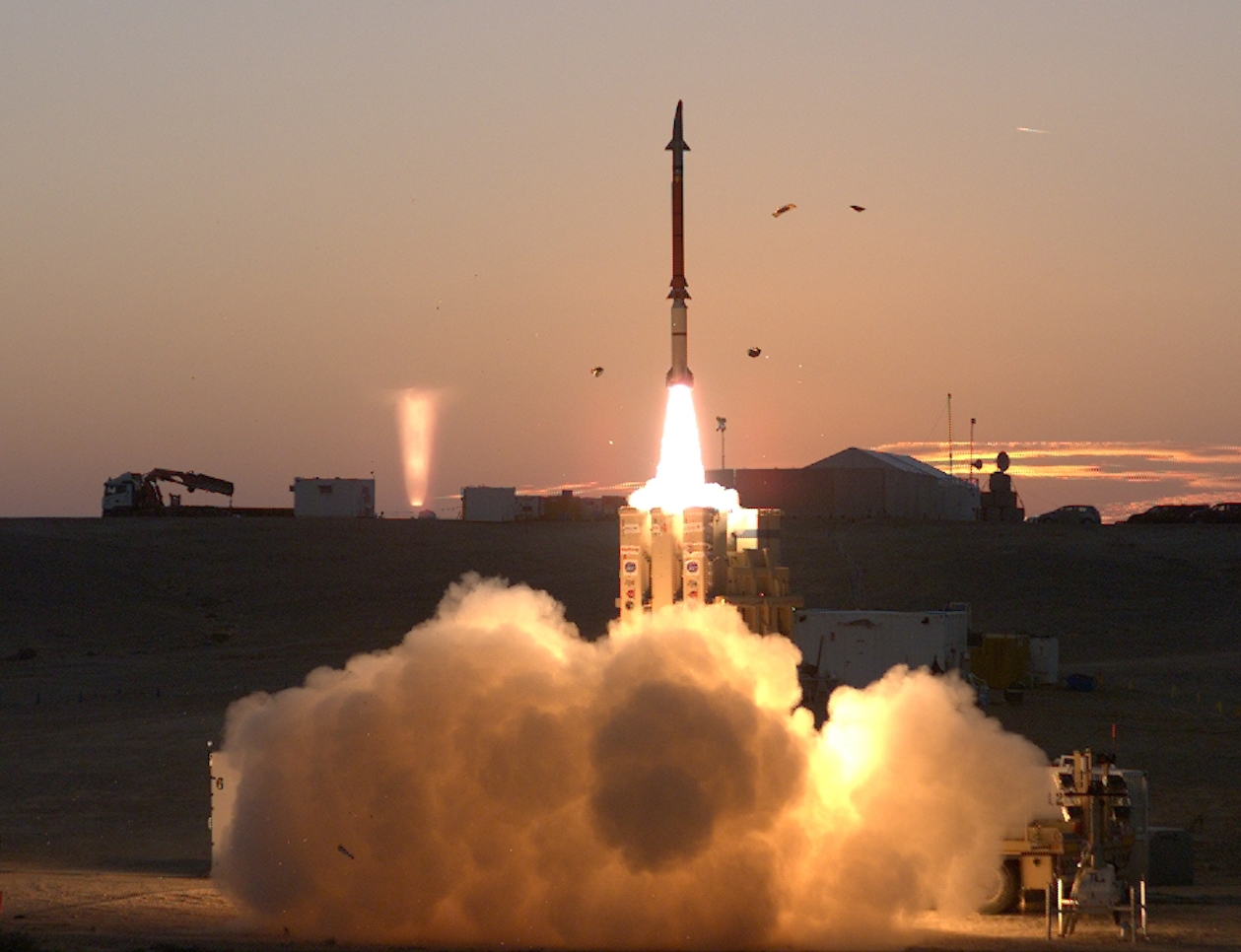

Israel maintains a multi-layered air defense system, including:
-
Iron Dome
-
David’s Sling
-
Arrow missile defense systems
-
Advanced air force capabilities
These systems are designed to intercept incoming threats, though saturation attacks can test their limits.
Regional Fallout: A Widening Conflict?
The Middle East’s interconnected security landscape means any direct confrontation risks spillover effects.
Iraq and Syria
Both countries have been arenas for proxy competition for years. Retaliatory strikes in these territories increase instability and endanger civilian populations.
Gulf States
Energy infrastructure in the Gulf remains a sensitive flashpoint. Even limited disruption can cause global oil price spikes.
Lebanon and Hezbollah
Any widening confrontation could draw in Hezbollah, a powerful Iran-backed group based in Lebanon, increasing the likelihood of a multi-front conflict involving Israel.
Economic Consequences: Oil and Global Markets
Global energy markets reacted quickly to the escalating tensions.
-
Oil prices surged amid fears of supply disruptions.
-
Shipping insurance rates rose in key maritime chokepoints.
-
Regional stock markets experienced volatility.
The Strait of Hormuz, a critical global energy artery, remains a key concern. Roughly a fifth of the world’s oil supply passes through this narrow waterway. Any threat to its stability can have immediate worldwide economic implications.
Diplomatic Efforts Underway
Amid escalating rhetoric and military exchanges, diplomatic channels are reportedly active behind the scenes.
Global powers including European states and regional actors have called for restraint. The United Nations has urged all parties to de-escalate and avoid actions that could spiral into a broader war.
Backchannel negotiations often intensify during such crises, even if public statements remain confrontational.
The Nuclear Factor
A key concern underlying the conflict is Iran’s nuclear program.
Israel has consistently argued that it will not allow Iran to develop nuclear weapons capability. Meanwhile, Iran maintains that its nuclear program is peaceful, though enrichment levels have drawn international scrutiny.
Strikes targeting leadership or strategic facilities could be interpreted as attempts to disrupt nuclear-related planning or infrastructure — adding another layer of complexity to the crisis.
Cyber Warfare: The Hidden Battlefield
Beyond conventional strikes, cyber operations are likely playing a significant role.
Both Israel and Iran have demonstrated advanced cyber capabilities in the past. Critical infrastructure, financial systems, and military networks could be targeted digitally as part of the broader confrontation.
Cyber escalation is particularly dangerous because attribution is often murky, increasing the risk of miscalculation.
Public Sentiment and Domestic Politics
In times of external confrontation, domestic political calculations become central.
-
Iranian leadership may use the crisis to rally national unity.
-
Israeli leadership faces pressure to demonstrate strength.
-
US policymakers must balance deterrence with avoiding deeper military entanglement.
Domestic audiences often influence strategic decisions during high-stakes geopolitical crises.
Risks of Escalation
The greatest concern remains miscalculation.
Escalation pathways include:
-
A large-scale missile exchange
-
Direct US military involvement
-
Multi-front engagement involving regional allies
-
Naval clashes in key maritime zones
-
Accidental civilian casualties triggering further retaliation
History shows that rapid retaliation cycles can quickly spiral beyond original intentions.
Potential Scenarios Going Forward
1. Controlled Escalation
Both sides engage in limited strikes before stepping back under diplomatic pressure.
2. Prolonged Proxy Conflict
Indirect warfare intensifies across Syria, Iraq, and Lebanon without full direct confrontation.
3. Major Regional War
A multi-state conflict emerges, drawing in Gulf states and possibly global powers.
4. Diplomatic Breakthrough
Surprisingly, crises sometimes create openings for renewed negotiations, particularly around nuclear issues.
Impact on Global Security
This confrontation is not just regional — it has global ramifications:
-
NATO members monitor closely.
-
Russia and China evaluate strategic advantages.
-
Energy-importing nations prepare contingency plans.
Any prolonged instability could reshape alliances and accelerate arms procurement in the region.
Information Warfare and Media Narratives
Control of narrative is central during geopolitical crises.
-
Official statements often emphasize defensive actions.
-
Social media amplifies conflicting claims.
-
Independent verification can be difficult.
Misinformation risks inflaming tensions further, particularly when emotionally charged imagery circulates widely.
The Role of Deterrence
At its core, the crisis revolves around deterrence.
Israel seeks to deter Iranian strategic expansion.
Iran seeks to deter attacks on its sovereignty.
The United States aims to deter escalation while maintaining regional stability.
Deterrence strategies can either prevent war or inadvertently trigger it if misread.
Energy Security and Maritime Routes


The Strait of Hormuz remains one of the world’s most sensitive strategic chokepoints. Any threat to shipping traffic could:
-
Increase oil prices dramatically
-
Disrupt global supply chains
-
Raise insurance and transportation costs
-
Trigger naval deployments from multiple nations
Energy security remains central to global diplomatic calculations.
Historical Precedents
The region has witnessed similar escalatory cycles before:
-
Targeted assassinations of senior officials
-
Airstrikes in Syria
-
Maritime tanker incidents
-
Missile exchanges between state and non-state actors
Each episode brought the region close to wider conflict but stopped short of full-scale war.
Whether this crisis follows that pattern remains uncertain.
What Experts Are Saying
Security analysts emphasize three key themes:
-
Calibrated Messaging: Strikes appear designed to send signals rather than initiate war.
-
Strategic Ambiguity: Limited public confirmation leaves room for de-escalation.
-
High Volatility: The margin for error is extremely narrow.
Experts caution that even a single misinterpreted strike could dramatically shift the trajectory.
The Bigger Picture: A Regional Power Struggle
At a deeper level, this confrontation reflects a broader competition for influence across the Middle East.
Iran has expanded its regional reach through alliances and military support networks. Israel seeks to limit that expansion. The United States balances deterrence with strategic recalibration in the region.
This latest escalation may represent another chapter in a long-running contest rather than an isolated event.
Could This Trigger a Global Crisis?
While a direct global war remains unlikely, economic and geopolitical ripple effects are almost certain.
-
Energy markets are highly sensitive.
-
Global shipping lanes are vulnerable.
-
Defense spending could increase.
-
Diplomatic alignments may shift.
Even limited conflict in the Middle East often carries worldwide consequences.
Conclusion: A Critical Moment for the Region
The targeting of Iranian leadership-linked sites and Tehran’s subsequent retaliatory strikes mark a pivotal moment in Middle Eastern geopolitics.
The coming days and weeks will determine whether this confrontation stabilizes or escalates further. Diplomacy, deterrence, and strategic restraint will play decisive roles.
For now, the region stands at a crossroads — caught between calculated signaling and the unpredictable risks of escalation.