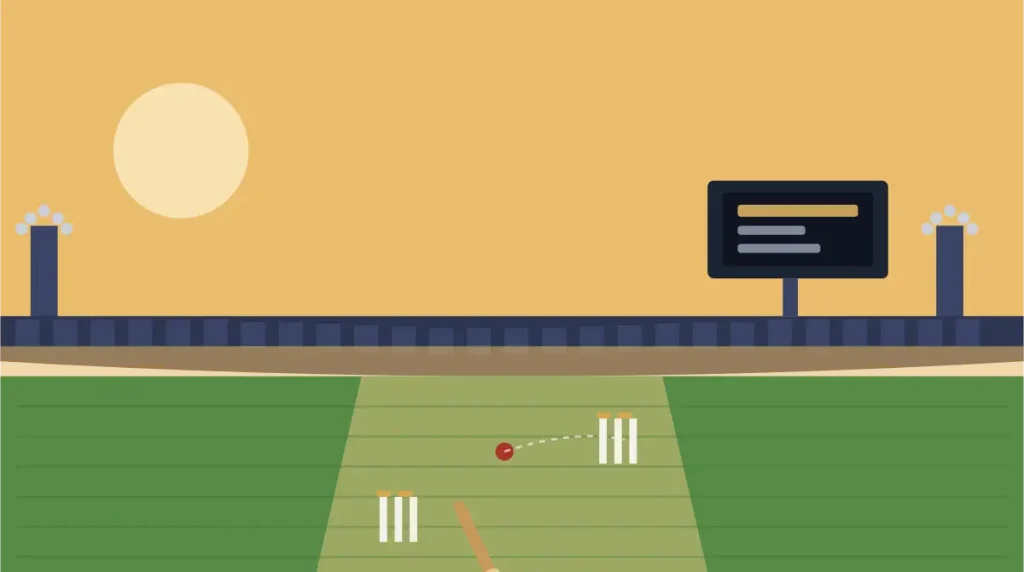
Short highlights dominate feeds, yet slower sports formats still offer something different: uncertainty that develops over hours or days, room for tactical adjustment and stories that are lost when every quiet period is edited out. This article looks at that trade-off as an editorial analysis, not a claim that one format is objectively better.
The Decade of Shrinking Formats
To understand why the slow comeback is notable, it helps to remember how aggressively sports have been compressed. Cricket introduced Twenty20 and then even shorter “hundred-ball” formats specifically to fit a three-hour broadcast window and hold attention on par with other fast entertainment. Tennis has experimented with shorter sets and no-ad scoring. Golf has rolled out speed-golf events and shortened tournament formats aimed at younger audiences. Even marathon coverage shifted toward heavily edited highlight packages rather than full-course broadcasts.
The logic behind all of this was straightforward: shorter formats were assumed to be the only way to compete for attention against everything else fighting for a viewer’s evening. For years, the data seemed to support that. Shorter formats pulled in younger audiences and stronger opening ratings.
What Changed: The Numbers Behind the Shift
Over roughly the past two years, several data points have started pointing the other way. Test cricket, the longest and slowest format of the sport, has seen attendance hold steady or grow at marquee matches in several countries, even as broadcasters worried it would be squeezed out entirely by shorter formats. Full marathon broadcasts, rather than highlight packages, have seen streaming numbers climb on platforms that offer complete, uncut race coverage, particularly among viewers who’ve taken up running themselves.
Golf offers a particularly clear example. Traditional four-round, full-tournament coverage has retained a stable, engaged audience even as shorter exhibition formats have struggled to build the same year-over-year loyalty. A sports media analyst I spoke with, who works with a regional broadcast network and asked not to be named due to ongoing contract negotiations, described it this way: shorter formats are good at generating a single big audience spike, but they’re proving weaker at generating the kind of habitual, season-long viewership that actually sustains a broadcast deal.
Why Fans Are Drawn Back to the Long Version
A few overlapping reasons seem to explain this shift, based on conversations with fans, coaches, and the analyst mentioned above.
Strategy actually shows up in long formats. In test cricket, a batting side might spend an entire session simply surviving, absorbing pressure, and setting up a position for the next day. That’s invisible in a three-hour format but central to the sport’s appeal for people who’ve come to understand it. The same is true in golf, where a player’s decision-making over four rounds, including how they manage a bad day rather than avoid one, is part of what separates a great performance from a lucky one.
Fatigue with manufactured urgency. Shorter formats often rely on artificial tension — countdown clocks, sudden-death formats, aggressive commentary pushing every moment as decisive. Several fans I spoke with described a kind of exhaustion with that style, similar to the fatigue people describe with fast-cut entertainment more broadly. Long-format sports let tension build naturally over hours or days instead of being manufactured every few minutes.
A generational shift in how people relax. Several younger fans described deliberately choosing to watch a full round of golf or a day of test cricket specifically because it doesn’t demand constant attention. It can run in the background, be picked up and put down, and doesn’t punish you for looking away for ten minutes the way a fast, high-stakes short format does. That flexibility, paradoxically, made the “slow” format easier to fit into a busy life than the format explicitly designed to be quick.
What This Means for Broadcasters and Leagues
The shift has practical consequences beyond ratings charts. Several cricket boards have publicly reaffirmed commitment to preserving the longest format of the sport even while continuing to invest in shorter competitions, citing exactly this kind of renewed interest. Golf’s major tournaments have leaned further into full-round coverage with expanded camera access rather than trimming broadcast time, betting that immersion, not compression, is what retains their core audience.
Marathon organizers have started offering full, unedited livestreams as a standard option rather than an afterthought, recognizing that a meaningful share of their audience wants the complete experience, including the unremarkable middle miles, not just the start and finish.
None of this means fast formats are disappearing. Short-format cricket, sprint-style athletics events, and quick-turnaround tournaments still draw enormous audiences and remain commercially essential. What’s changed is that leagues and broadcasters are no longer treating long-format sport as something to be phased out. It’s increasingly treated as a distinct, valuable audience segment worth investing in on its own terms.
How to Get Into Slow-Format Sports Yourself
If this shift has you curious about trying a longer format you’ve previously skipped, a few practical starting points based on what worked for fans who made the switch:
- Start with one full session, not a full match. A single day of test cricket or one round of golf is a manageable entry point before committing to the full multi-day event.
- Watch with the context, not just the action. Long-format sports reward understanding the stakes behind a quiet stretch of play. A brief pregame read on what’s at stake for each side makes slower passages far more engaging.
- Let it run in the background at first. Unlike short formats built for full attention, long-format sport is often designed to be watched in a relaxed, intermittent way. Don’t force yourself to watch every minute closely the first time.
- Pick a format that matches something you already enjoy doing. If you run, full marathon coverage tends to click faster than cricket would. If you play golf yourself, tournament rounds land differently than they do for a casual viewer.
The Bigger Picture
What’s happening in sports broadcasting mirrors a wider pattern showing up across entertainment more broadly: after a long stretch of chasing shorter, faster, more heavily engineered formats, audiences are pushing back toward things that ask for patience and reward it. Sports may be one of the clearest examples, because the long formats never actually disappeared. They just got treated as legacy content for years, and now they’re being recognized again as something people genuinely want, not just something nostalgia keeps alive.
If you’ve found yourself drawn to a full match, a complete race broadcast, or an entire round of golf instead of the highlight reel, you’re not out of step with where sports fandom is heading. You’re ahead of a shift that broadcasters are only now starting to take seriously.
Sources and verification
For factual or time-sensitive points, start with primary or official sources:
Links are provided for verification; external pages can change after this article is updated.
Continue on ppdv.in

Alen edits ppdv.in and writes practical guides for readers in India. Articles use published sources where factual accuracy matters and are updated when important information changes.