


In today’s hyper-connected world, messaging apps are the backbone of communication. From family chats and work groups to business transactions and social interactions, apps like WhatsApp have become essential tools for billions of users worldwide.
But a growing number of users are beginning to question whether the platform is heading in the right direction.
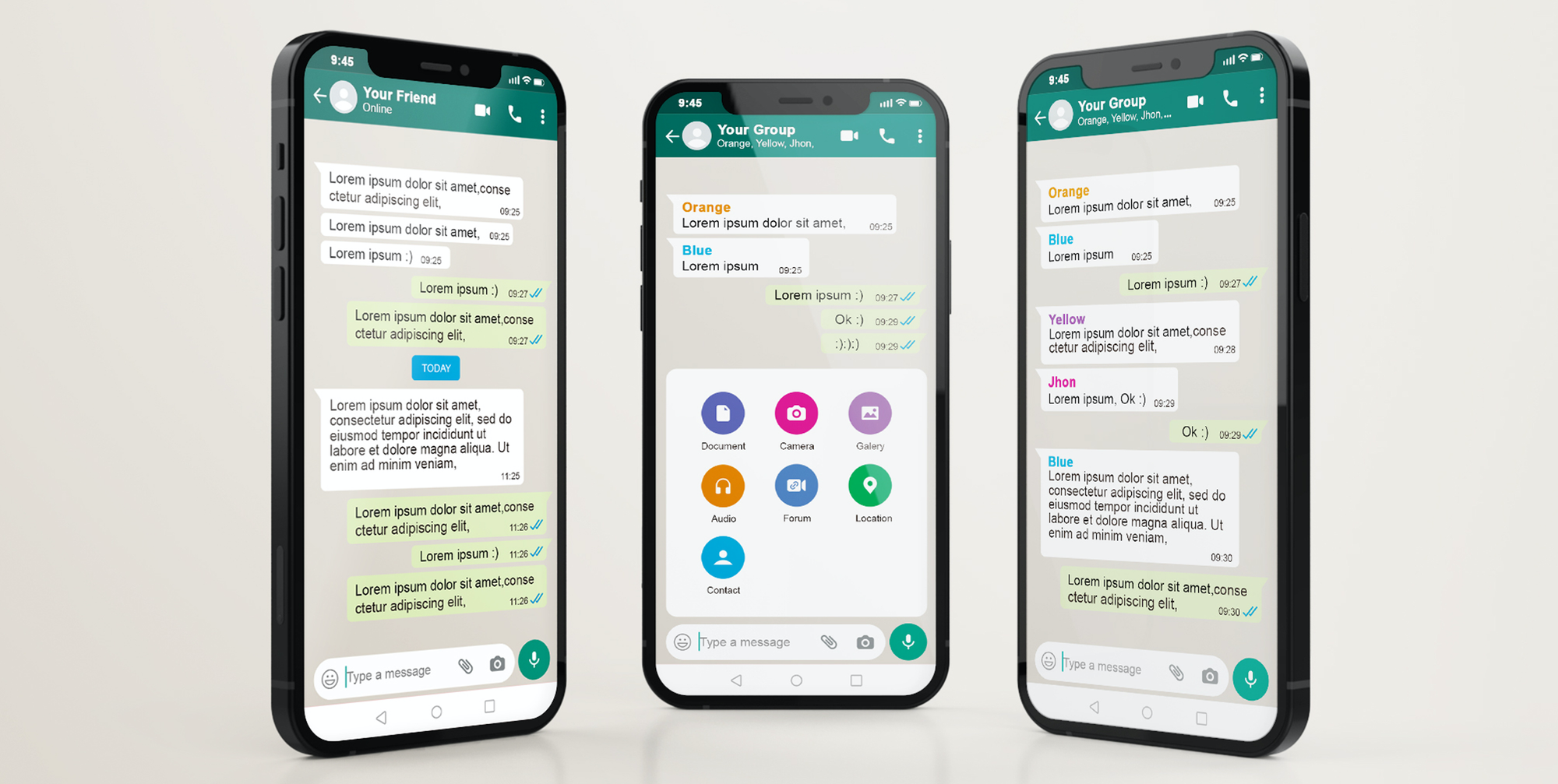
Rumors and discussions around a potential subscription tier for WhatsApp have sparked widespread debate across social media, tech forums, and news outlets. Some users are saying they would rather uninstall the app than pay for features that were once free.
The question now is simple: Is WhatsApp about to change forever?
This article explores why people are considering deleting WhatsApp, what a subscription model could mean, how it compares with competitors, and what the future of messaging apps may look like.
The Rise of WhatsApp: From Simple Messaging to Global Communication Giant


Launched in 2009 and later acquired by Meta Platforms in 2014 for $19 billion, WhatsApp quickly became one of the most widely used messaging apps in the world.
Today, the platform has more than 2 billion users globally, making it one of the largest communication networks ever created.
Its success came from several key features:
-
Free messaging
-
End-to-end encryption
-
Cross-platform compatibility
-
Simple user interface
-
No advertisements
Unlike many other social platforms, WhatsApp positioned itself as a privacy-focused communication tool rather than a social network.
However, things have slowly started to change.
Why Users Fear a WhatsApp Subscription
The idea of a paid WhatsApp tier has caused concern among long-time users. Although WhatsApp has experimented with monetization through business tools, many fear the next step could involve charging regular users for premium features.
Possible subscription features that have been discussed include:
1. Advanced Privacy Tools
Features like enhanced message protection, disappearing chats with advanced controls, or profile privacy layers.
2. Cloud Backup and Storage
Currently, WhatsApp backups rely on Google Drive or iCloud, but a subscription could introduce proprietary storage options.
3. Multi-Device Synchronization Enhancements
Although multi-device access already exists, future features could include more advanced syncing across devices.
4. Ad-Free Experience
Ironically, WhatsApp has always been ad-free. Some users worry that free accounts may eventually include ads while paid accounts remove them.
5. AI Chat Tools
Meta has been heavily investing in AI integration, including assistants connected to messaging platforms.
These potential upgrades may sound appealing, but many users argue that messaging should remain free and simple.
“I’m Uninstalling WhatsApp”: Why the Backlash Is Growing
Across Reddit, Twitter, and tech forums, users have been posting messages like:
“If WhatsApp starts charging a subscription, I’m deleting it immediately.”
The backlash highlights a deeper issue: trust.
When Mark Zuckerberg announced plans to expand monetization across Meta products, many users interpreted it as a sign that WhatsApp could eventually follow the same path as Facebook and Instagram, where advertising dominates the platform.
Users fear that WhatsApp’s simplicity may slowly disappear.
The History of WhatsApp Charging Users
Interestingly, WhatsApp was not always completely free.
In its early years, the app actually charged $0.99 per year after the first year of use.
However, this fee was eventually removed after Meta acquired the company.
Since then, WhatsApp has remained free for personal users, relying mainly on business tools for revenue.
WhatsApp’s Current Business Model
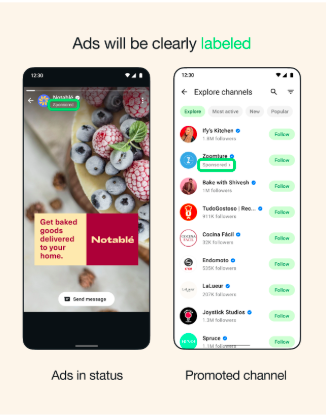
Instead of charging individuals, WhatsApp currently generates revenue through WhatsApp Business services.
The platform charges companies for tools such as:
-
Automated customer support
-
Business messaging APIs
-
Marketing notifications
-
Customer service integration
Major companies like airlines, banks, and e-commerce brands use WhatsApp Business to communicate with customers.
This model has worked well so far.
But with Meta investing billions in AI infrastructure, some analysts believe the company may seek additional revenue streams.
The Bigger Picture: Messaging Apps Are Becoming Paid Services
WhatsApp would not be the first messaging platform to introduce a paid tier.
Several competitors already offer subscription models.
Telegram Premium
Telegram launched Telegram Premium, offering:
-
Faster downloads
-
Larger file uploads
-
Exclusive stickers
-
Advanced chat features
Discord Nitro
Discord offers Nitro, a subscription providing:
-
Better streaming quality
-
Larger file uploads
-
Custom emojis
Snapchat+
Snapchat launched Snapchat+, giving subscribers early access to experimental features.
These services prove that subscription models can work, but WhatsApp users may react differently because the platform has always been free.
Privacy Concerns Driving the Debate
Another reason users are wary of a WhatsApp subscription is privacy.
Although WhatsApp uses end-to-end encryption, it is still owned by Meta — a company often criticized for data practices.
Users worry that a subscription could create a two-tier privacy system:
-
Free users with basic privacy
-
Paid users with enhanced protection
Critics argue that privacy should not become a premium feature.
Alternatives People Are Considering
If WhatsApp eventually introduces a subscription tier, many users say they would switch to other messaging apps.
Here are some of the most popular alternatives.
Signal
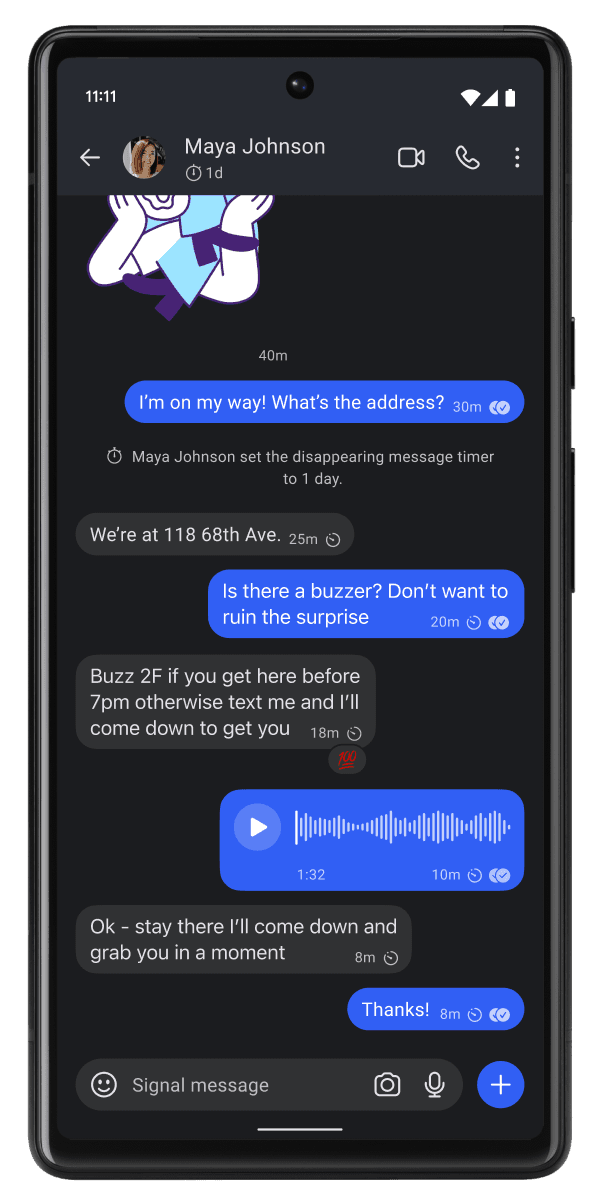
Signal is widely considered one of the most private messaging apps available.
Key features include:
-
Open-source encryption
-
No ads
-
No data tracking
-
Non-profit organization
Signal is recommended by privacy advocates and cybersecurity experts.
Telegram
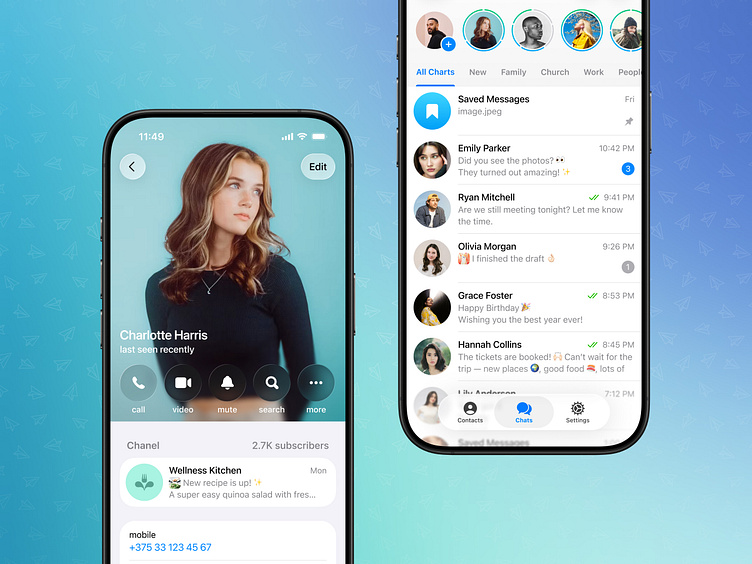

Telegram is another popular alternative.
It offers:
-
Massive group chats
-
Cloud storage
-
Bots and automation
-
Public channels
Although Telegram does offer a premium subscription, its core features remain free.
iMessage


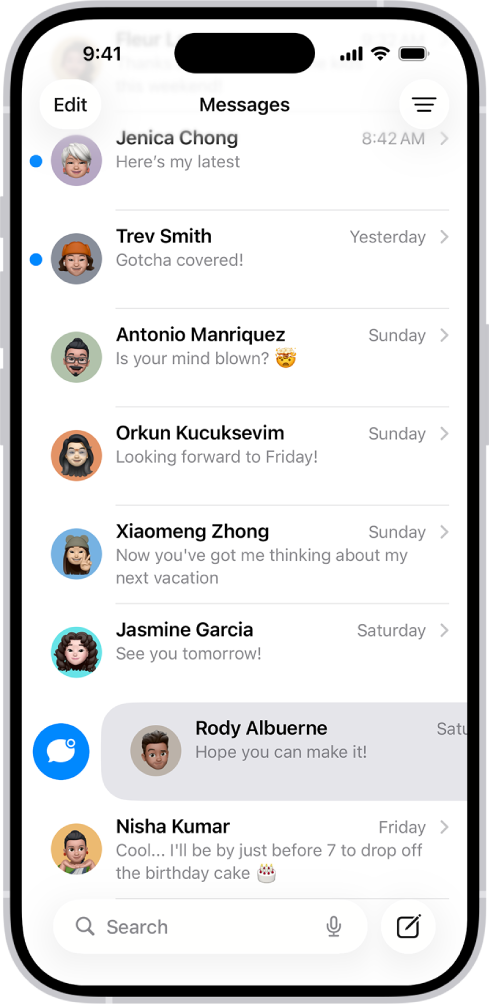
For **Apple users, iMessage remains a built-in alternative.
Features include:
-
Seamless device integration
-
High-quality media sharing
-
Encryption
-
No subscription fees
However, iMessage only works within the Apple ecosystem.
Could WhatsApp Actually Introduce a Subscription?
At the moment, Meta has not officially announced a paid subscription for WhatsApp personal users.
However, several signs suggest monetization could expand in the future.
Meta’s recent strategies include:
-
AI assistants integrated into messaging apps
-
Business automation tools
-
Paid creator features
-
Premium verification systems
These developments show a clear trend: platforms are moving toward mixed revenue models.
The Psychology Behind User Resistance
Why are users so strongly opposed to paying for WhatsApp?
It comes down to habit and expectation.
For over a decade, people have used WhatsApp under one assumption:
Messaging should be free.
Changing that expectation could create significant backlash.
History shows similar reactions when platforms change business models.
Examples include:
-
Twitter introducing paid verification
-
Netflix cracking down on password sharing
-
YouTube increasing ads for free users
Users often resist changes that affect platforms they rely on daily.
What a WhatsApp Subscription Might Look Like
If a paid tier ever launches, it will likely follow the “freemium” model.
This means:
Free Version
Basic messaging and calls
Paid Version
Extra features such as:
-
AI chat assistants
-
Enhanced security controls
-
Cloud storage
-
Advanced customization
Meta could also bundle messaging features with its broader ecosystem.
The Role of AI in WhatsApp’s Future
Artificial intelligence is likely to play a major role in WhatsApp’s next phase.
Meta has already begun integrating AI into its platforms.
Possible AI features could include:
-
Smart chat replies
-
Voice transcription
-
AI-powered customer support
-
Message summarization
-
Personal assistants
Such tools could potentially become part of a premium subscription package.
Global Impact If Users Leave WhatsApp
If large numbers of users uninstall WhatsApp, the effects could be massive.
WhatsApp is used for:
-
Family communication
-
Work coordination
-
School groups
-
Online businesses
-
Government alerts
In many countries, WhatsApp is essentially digital infrastructure.
A sudden shift away from the platform could disrupt millions of businesses and communities.
What Tech Experts Are Saying
Many analysts believe WhatsApp will move cautiously.
The platform’s greatest strength is its network effect — everyone uses it because everyone else uses it.
If Meta introduces aggressive monetization, it risks pushing users toward competitors.
Therefore, experts expect any paid tier to remain optional rather than mandatory.
Should You Really Uninstall WhatsApp?
For most users, uninstalling WhatsApp right now would be premature.
There is no confirmed subscription plan for regular users yet.
However, staying informed about upcoming changes is important.
Users should watch for announcements regarding:
-
AI integrations
-
premium features
-
business messaging expansion
-
privacy policy updates
The Future of Messaging Apps
Messaging platforms are evolving rapidly.
Over the next decade, they may transform into multi-purpose digital ecosystems that include:
-
payments
-
shopping
-
AI assistants
-
business services
-
content sharing
WhatsApp could become something far bigger than a simple messaging app.
But whether users accept that transformation remains uncertain.
Final Thoughts
The idea of uninstalling WhatsApp before it introduces a subscription tier reflects a deeper concern about the future of digital platforms.
For years, WhatsApp built its reputation on simplicity, privacy, and free communication. Any move toward a paid model risks challenging those core values.
While there is currently no official confirmation of a WhatsApp subscription, the discussion itself highlights how sensitive users are to changes in services they rely on daily.
As technology companies explore new ways to monetize their platforms, the balance between profit and user trust will become more important than ever.
If WhatsApp manages that balance carefully, it will likely remain the world’s most dominant messaging platform.
If not, millions of users may indeed decide:
“It’s time to uninstall.”