Are you a working professional trying to crack the SSC CGL exam? You are not alone.
Every year, thousands of aspirants feel stuck. You watch full-time students study for 10 hours a day while you are exhausted after a 9-to-6 shift. You might be thinking: “Is it even possible to compete with them?”
The honest answer is Yes. But you cannot study like them. You don’t need 10 hours of “passive reading”; you need 4 hours of “sniper study.”
This guide is not motivational fluff. This is a practical, brutal, and effective strategy designed specifically for the working aspirant.
The “Weekend Warrior” Mindset
Before we look at the daily schedule, you must accept one hard truth: Your weekends are no longer for rest.
-
Monday to Friday: You focus on consistency (3-4 hours/day).
-
Saturday & Sunday: You focus on volume (8-10 hours/day).
This balance ensures you don’t burn out during the week but still cover the syllabus.
The Realistic 4-Hour Daily Schedule (Mon-Fri)
Most articles tell you to “wake up at 4 AM.” Let’s be real—if you sleep less, your work performance will drop, and you will quit preparation in a week.
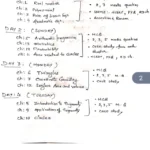
Here is a sustainable timetable specifically for a 9-to-6 job profile:
| Time Slot | Activity | Subject Focus |
| 6:30 AM – 8:00 AM | Deep Work | Maths / Reasoning (Brain is fresh) |
| Commute (Travel) | Passive Learning | Current Affairs / Vocabulary (Use Apps/YouTube) |
| Lunch Break (30 mins) | Quick Revision | General Awareness (Read Quizzes) |
| 8:30 PM – 10:00 PM | Practice | English / Mock Test Analysis |
| 10:00 PM – 10:30 PM | Review | Plan for Tomorrow |
Slot 1: The Morning “Eat the Frog” (90 Mins)
Do not touch your phone. Do not check emails.
Use this time for Quantitative Aptitude (Maths) or Reasoning. These subjects require active brainpower. If you leave Maths for the evening after work, you will be too tired to solve problems.
Slot 2: The “Gap Filler” (Commute & Lunch)
Turn your travel time into study time.
-
Metro/Bus: Watch “Daily Current Affairs” videos on YouTube (keep headphones on).
-
Lunch Break: Use apps like Adda247 or Textbook to attempt a quick 10-minute quiz on General Awareness. Do not waste this time gossiping.
Slot 3: The Evening Wind-Down (90 Mins)
After work, your brain is tired. Do not try to learn complex new Math concepts now.
Instead, focus on English Comprehension or Mock Tests. These are lighter on the brain but essential for scoring.
The Weekend Strategy: Where the Magic Happens
You have 2 days completely free. This is where you beat the competition.
-
Saturday: * Morning: 1 Full Mock Test (60 mins).
-
Afternoon: Deep analysis of the Mock Test (2 hours). This is crucial. Find out exactly which chapters you are failing in.
-
Evening: Revise the weak chapters found in the Mock Test.
-
-
Sunday: * Focus entirely on your weakest subject. If you are weak in Geometry, spend 6 hours on Sunday just solving Geometry questions.
3 Fatal Mistakes Working Professionals Make
-
Trying to finish the whole syllabus: You don’t need to finish 100% of the syllabus to clear Tier-1. Focus on high-weightage topics first (e.g., Arithmetic in Maths, Grammar rules in English).
-
Depending on PDF Hoarding: Stop downloading thousands of PDFs. Stick to one standard book per subject.
-
Ignoring Mock Tests: Many working students think, “I’ll take tests once I finish the syllabus.” That day never comes. Start taking Mock Tests immediately, even if you score low.
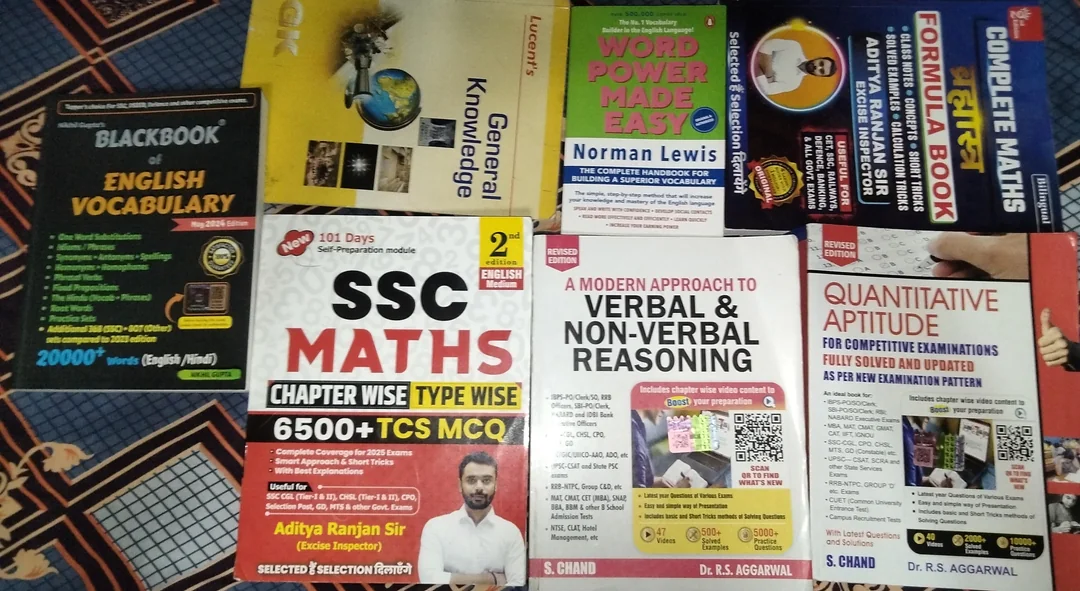
Recommended Resources (Free & Paid)
-
Maths: Gagan Pratap Sir or Aditya Ranjan Sir (YouTube – specific chapter playlists).1
-
English: Neetu Singh Vol 1 (Book) is the Bible for SSC English.2
-
GK/Current Affairs: Indologus or CrazyGKTrick (YouTube) for quick revision.3
-
Mock Tests: Testbook Pass (Best value for money for practice).
Final Words
Cracking SSC CGL with a job is tough, but the financial security and career growth are worth it. You are already disciplined enough to hold a job; use that same discipline for your study.
Start this schedule tomorrow. Not next Monday. Tomorrow.
About the Author:
This guide is part of PPDV.in’s Exam Strategy Series. We analyze exam patterns to help you prepare smarter, not harder.