

Professional sports have evolved into a massive global industry worth hundreds of billions of dollars. From the NFL and NBA to European football, Formula 1, and cricket leagues, the financial power behind sports teams often comes from ultra-wealthy owners whose fortunes span technology, retail, finance, and energy. In 2026, the wealthiest sports team owners continue to reshape the business of sports through investments in stadiums, media rights, digital platforms, and global fan engagement.
These billionaire owners are not just sports enthusiasts—they are powerful business leaders who view sports franchises as strategic assets. Owning a team offers prestige, global visibility, and long-term financial returns. Over the past decade, team valuations have skyrocketed, with many franchises now worth more than $5 billion.
This article explores the richest sports team owners in 2026, examining how they built their fortunes, which teams they control, and how their influence is shaping the future of global sports.
The Rising Value of Sports Ownership
Before diving into the list of the richest owners, it’s important to understand why sports franchises have become such attractive investments.
Across major leagues like the National Football League, National Basketball Association, English Premier League, and Major League Baseball, team values have surged due to several factors:
-
Massive broadcast deals worth billions
-
Global streaming rights
-
Expansion of sports betting markets
-
International fan bases
-
Luxury stadium experiences
-
Sponsorship and brand partnerships
For billionaires, owning a team is no longer just about passion—it’s a strategic investment in entertainment and media.
1. Steve Ballmer – Owner of the Los Angeles Clippers


Net Worth (2026): Over $130 billion
One of the richest sports team owners in the world is Steve Ballmer, the former CEO of Microsoft and owner of the Los Angeles Clippers.
Ballmer purchased the Clippers in 2014 for $2 billion after the controversial sale by Donald Sterling. At the time, it was the highest price ever paid for an NBA franchise. Many analysts initially believed Ballmer had overpaid—but a decade later, the team’s value has more than doubled.
In 2024, Ballmer opened the state-of-the-art Intuit Dome, a technologically advanced arena in Inglewood designed specifically for the Clippers. The stadium features fan-first innovations, AI-powered experiences, and cutting-edge digital engagement.
Ballmer’s approach is simple: invest heavily in infrastructure and analytics to transform the Clippers into one of the NBA’s most valuable franchises.
2. Mukesh Ambani – Owner of Mumbai Indians


Net Worth (2026): Around $115 billion
Indian business magnate Mukesh Ambani owns the Mumbai Indians, one of the most successful franchises in the Indian Premier League.
Ambani built his wealth through Reliance Industries, a massive conglomerate spanning telecommunications, energy, retail, and media.
The Mumbai Indians are widely regarded as the IPL’s flagship team, winning multiple championships and attracting millions of fans across India and the global cricket audience.
Cricket is the most-watched sport in India, and the IPL has become one of the richest leagues in the world. Ambani’s investment has turned the Mumbai Indians into a global cricket brand with academies, merchandising operations, and international partnerships.
3. Rob Walton – Owner of the Denver Broncos



Net Worth (2026): Around $100 billion
Retail heir Rob Walton purchased the Denver Broncos in 2022 for a record $4.65 billion, the most expensive sale of an NFL franchise at the time.
Walton is the son of Sam Walton and a major shareholder in Walmart, the world’s largest retailer.
Under Walton’s ownership, the Broncos have focused heavily on infrastructure investments, new training facilities, and global marketing expansion.
The Walton family’s immense financial power gives the Broncos significant flexibility when it comes to stadium development and franchise growth.
4. David Tepper – Owner of the Carolina Panthers

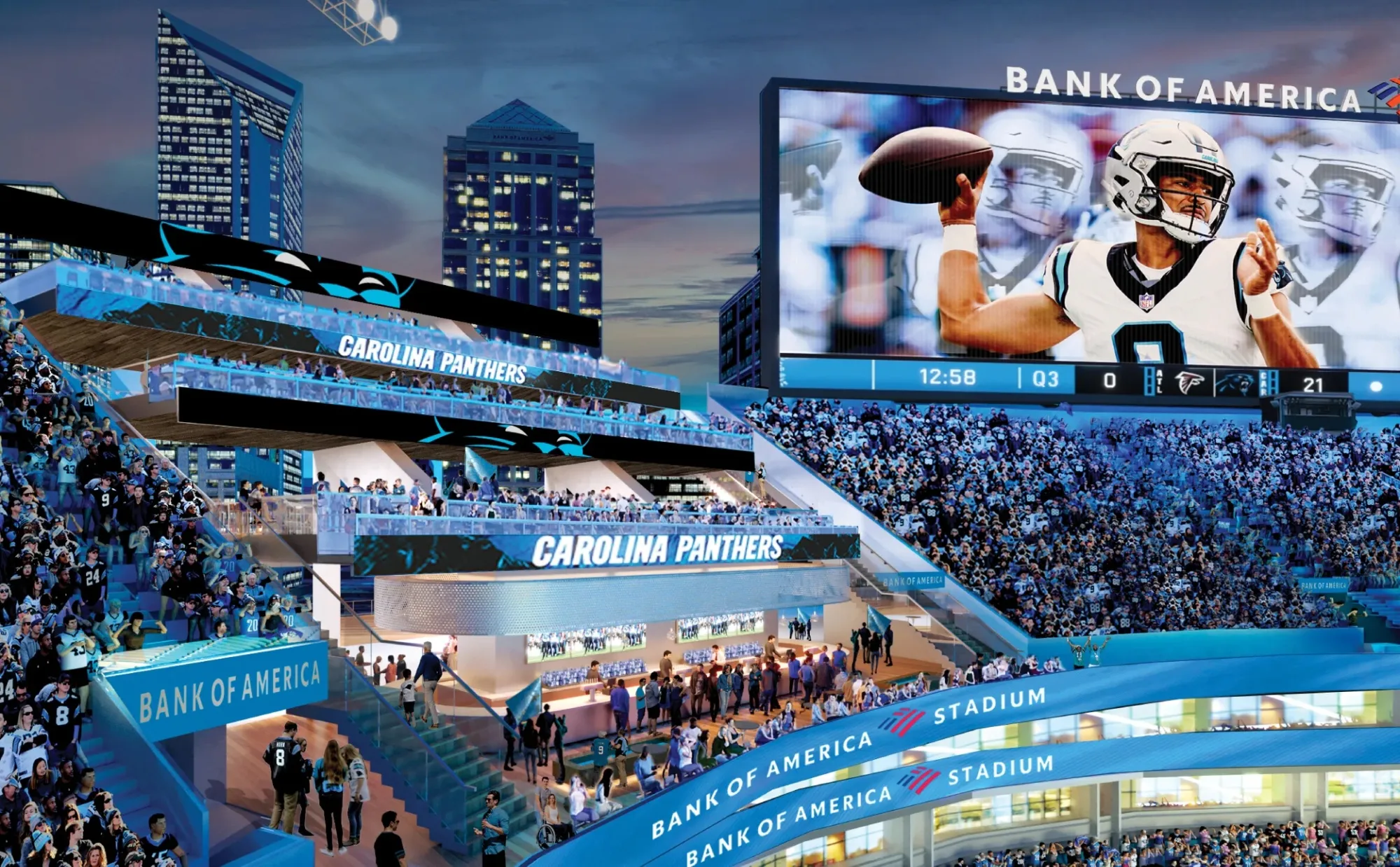

Net Worth (2026): Around $20 billion
Hedge fund billionaire David Tepper owns the Carolina Panthers and Charlotte FC.
Tepper made his fortune through Appaloosa Management, one of the most successful hedge funds on Wall Street.
After purchasing the Panthers in 2018 for $2.2 billion, Tepper has invested heavily in transforming Charlotte into a major sports hub. The addition of Charlotte FC in Major League Soccer further expanded his sports portfolio.
Tepper’s long-term goal is to turn Charlotte into a multi-sport entertainment destination with new stadium projects and international partnerships.
5. Stan Kroenke – Owner of Multiple Global Teams


Net Worth (2026): Around $15 billion
American billionaire Stan Kroenke controls one of the most diverse sports empires in the world.
His portfolio includes:
-
Los Angeles Rams
-
Arsenal F.C.
-
Denver Nuggets
-
Colorado Avalanche
-
Colorado Rapids
Kroenke built the spectacular SoFi Stadium in Los Angeles, one of the most expensive stadium projects in history, costing over $5 billion.
Through Kroenke Sports & Entertainment, he controls teams across multiple leagues and continents, making him one of the most influential figures in global sports.
6. Jerry Jones – Owner of the Dallas Cowboys


Net Worth (2026): Around $14 billion
Few owners are as synonymous with their team as Jerry Jones is with the Dallas Cowboys.
Jones purchased the Cowboys in 1989 for $140 million. Today, the franchise is widely considered the most valuable sports team in the world, valued at over $9 billion.
Jones revolutionized sports marketing by turning the Cowboys into a global brand. The construction of AT&T Stadium further cemented the franchise’s dominance in sports entertainment.
The Cowboys generate enormous revenue through sponsorships, media deals, and merchandise sales.
7. Joe Tsai – Owner of the Brooklyn Nets


Net Worth (2026): Around $10 billion
Tech billionaire Joe Tsai owns the Brooklyn Nets and the New York Liberty.
Tsai made his fortune as a co-founder of Alibaba Group, one of the largest e-commerce companies in the world.
Since acquiring the Nets, Tsai has focused on expanding the team’s global fanbase, particularly in Asia. His ownership also includes major investments in esports, lacrosse, and sports technology startups.
8. Mark Cuban – Owner of the Dallas Mavericks



Net Worth (2026): Around $6 billion
Entrepreneur Mark Cuban owns the Dallas Mavericks.
Cuban became wealthy after selling Broadcast.com to Yahoo for billions during the dot-com boom.
Since purchasing the Mavericks in 2000, Cuban has become one of the NBA’s most outspoken and innovative owners. His hands-on leadership style and willingness to challenge league rules have made him one of the most recognizable figures in sports business.
Why Billionaires Are Buying Sports Teams
The rapid increase in sports franchise valuations has made ownership more appealing than ever.
Several trends explain why billionaires continue investing in sports:
1. Media Rights Explosion
Streaming platforms and international broadcasters are paying billions for live sports rights. Live sports remain one of the few forms of television that consistently attract massive real-time audiences.
2. Global Fanbases
Sports leagues are expanding internationally. The NBA has millions of fans in Asia, while the Premier League dominates global football audiences.
3. Sports Betting Growth
Legalized sports betting in many countries has created new revenue streams through partnerships with betting companies and digital sportsbooks.
4. Stadium Entertainment Experiences
Modern stadiums function as entertainment hubs with luxury suites, restaurants, concerts, and digital experiences that drive massive revenue.
The Future of Sports Ownership
The future of sports ownership is evolving rapidly as technology, streaming, and globalization transform the industry.
Several key trends are shaping the next generation of team ownership:
Private equity involvement – Investment firms are increasingly buying stakes in teams.
Global multi-club ownership models – Investors are building networks of teams across different leagues.
Digital fan engagement – Blockchain, NFTs, and virtual stadium experiences are creating new revenue opportunities.
Women’s sports investment – Billionaire investors are increasingly funding women’s leagues as their popularity grows.
The Billionaire Influence on Global Sports
While athletes are the stars of the show, the owners behind the scenes often shape the long-term direction of franchises and leagues.
From stadium construction to international expansion, the richest sports team owners in 2026 are transforming sports into a global entertainment business.
Figures like Steve Ballmer, Mukesh Ambani, and Stan Kroenke demonstrate how powerful business leaders are using their resources to reshape sports infrastructure, fan engagement, and media rights.
As franchise values continue rising, sports ownership will remain one of the most prestigious—and competitive—investments among the world’s billionaires.