


Across the UK, something significant is happening in gyms, parks, living rooms, and digital platforms. From early-morning runners in London to home-based strength trainers in Manchester, and community bootcamp regulars in Birmingham, thousands of people are rethinking how, where, and why they exercise.
The traditional model — sign up to a gym in January, use it sporadically, feel guilty by March — is rapidly fading. Instead, Britons are embracing flexible routines, hybrid workouts, wearable tech, recovery-focused training, and mental health–driven exercise habits.
So, what’s driving this shift? Why are thousands in the UK changing their fitness routine? And what does it mean for the future of health and wellness?
Let’s take a deep dive.
1. The Rise of Hybrid Fitness: Gym + Home Workouts


One of the biggest changes across the UK fitness landscape is the shift toward hybrid training.
Instead of relying solely on commercial gyms like PureGym or The Gym Group, many people now combine:
-
Gym sessions for heavy lifting
-
Home workouts for convenience
-
Outdoor runs or park circuits
-
Online classes streamed via apps
Why Hybrid Fitness Works
-
Flexibility – Busy professionals can train around work.
-
Cost Efficiency – Fewer classes, fewer premium memberships.
-
Control – Personalised programming.
-
Consistency – No commute excuses.
During lockdowns, many invested in dumbbells, resistance bands, and adjustable benches. Those purchases didn’t gather dust. Instead, they reshaped behaviour permanently.
Even as gyms reopened, people kept their home routines — creating a blended model that feels sustainable long term.
2. Mental Health Is Now a Primary Motivation


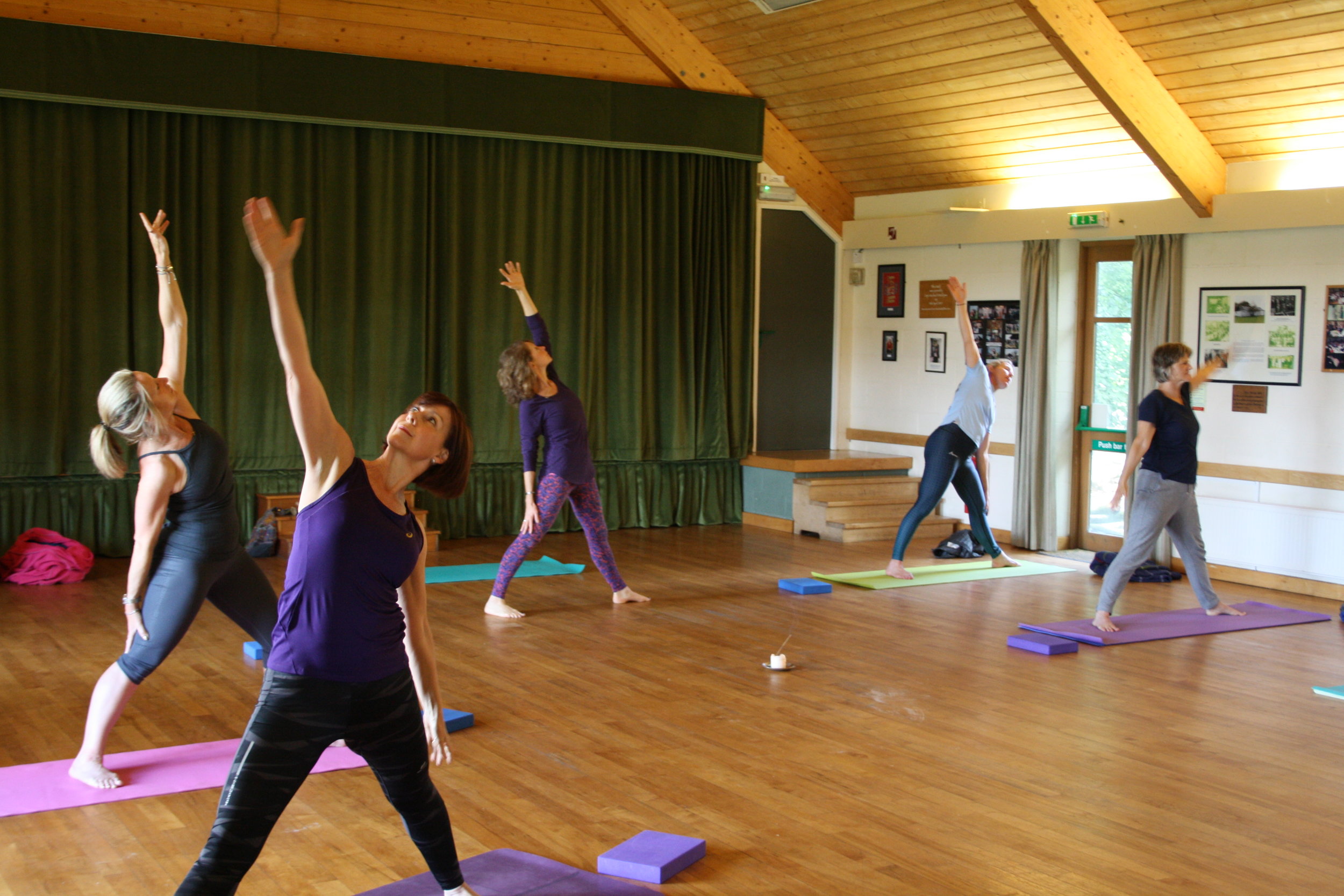
Fitness is no longer just about aesthetics. Across the UK, exercise is increasingly framed as a mental health tool.
According to public health campaigns backed by NHS, regular physical activity significantly reduces anxiety, depression symptoms, and stress.
The Cultural Shift
Previously:
-
“Beach body” goals
-
Weight loss challenges
-
Six-pack culture
Now:
-
Stress relief
-
Better sleep
-
Emotional resilience
-
Improved focus
This shift explains the explosion of:
-
Yoga classes
-
Outdoor walking groups
-
Cold-water swimming communities
-
Mindful strength training
Social media has also evolved. Instead of purely aesthetic fitness influencers, UK audiences are gravitating toward creators discussing mental clarity, balance, and longevity.
3. Wearable Tech Is Changing How Britons Train



Technology has fundamentally altered how fitness decisions are made.
Devices like the Apple Watch, Fitbit, and Garmin Forerunner allow users to monitor:
-
Heart rate zones
-
Sleep quality
-
Recovery metrics
-
VO2 max
-
Stress levels
Data-Driven Decisions
Instead of guessing whether a workout was effective, users now rely on data. This has led to:
-
More structured rest days
-
Smarter cardio sessions
-
Reduced overtraining
-
Performance-based goal setting
In cities like Leeds and Glasgow, running clubs often compare stats post-session — turning fitness into a measurable, trackable journey.
4. Cost-of-Living Pressures Are Influencing Fitness Choices
The UK’s cost-of-living pressures have inevitably impacted discretionary spending — including gym memberships.
Premium boutique studios charging £25–£35 per class are facing greater scrutiny. Instead, consumers are:
-
Cancelling luxury memberships
-
Opting for budget chains
-
Using YouTube workouts
-
Investing in one-time equipment purchases
Brands like Decathlon have seen increased demand for affordable home equipment.
This doesn’t mean people are exercising less. It means they’re exercising smarter and more strategically.
5. Community Fitness Is Booming


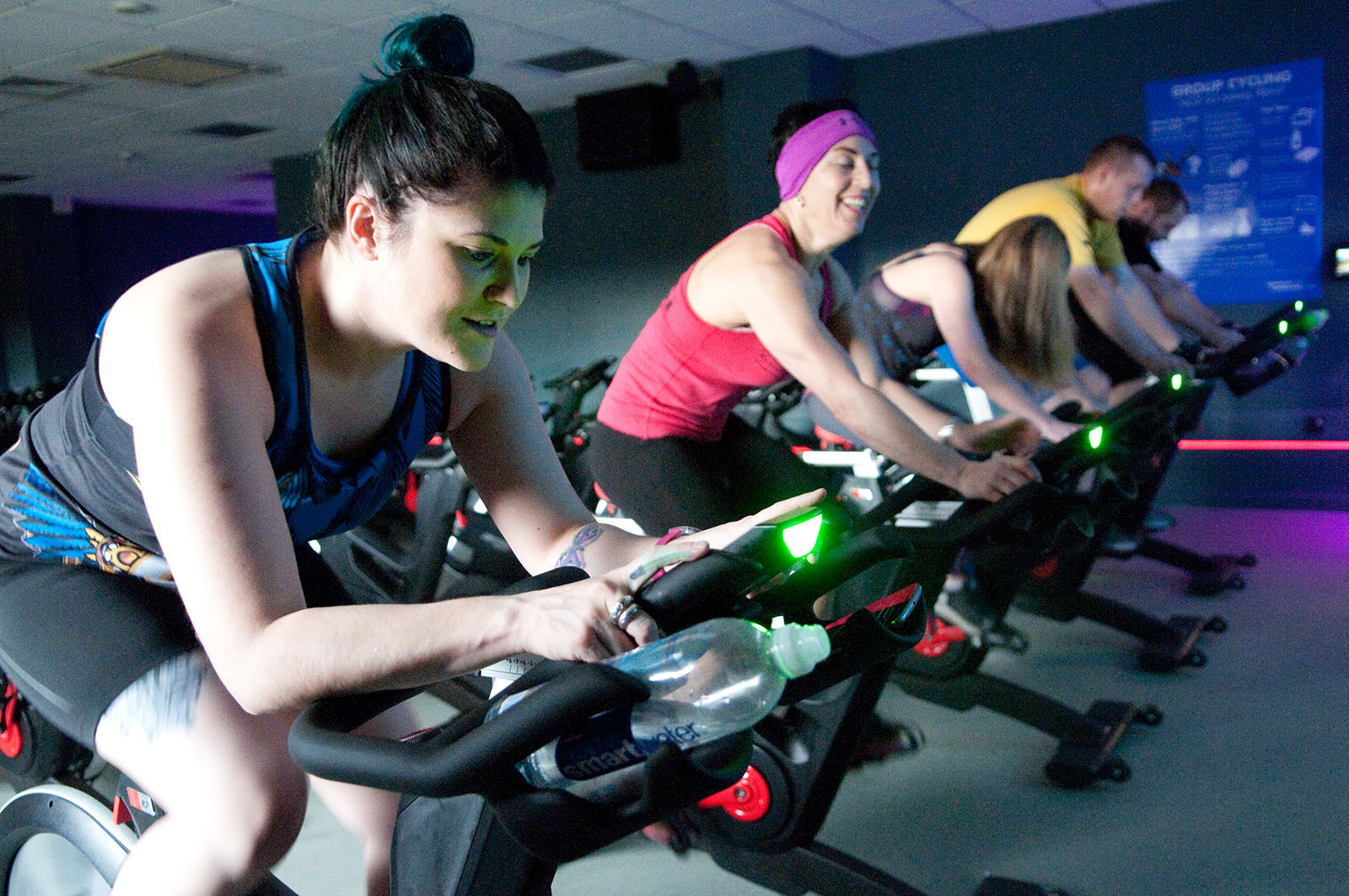
Isolation during lockdowns sparked a renewed appreciation for community.
Across the country, grassroots events like Parkrun have exploded in participation. Free, weekly 5K runs offer structure without pressure.
Other community-driven trends include:
-
Outdoor bootcamps
-
Social cycling clubs
-
Women-only lifting groups
-
Men’s mental health walking groups
People want connection alongside physical improvement.
6. Functional Fitness Over Bodybuilding
Traditional bodybuilding-style splits are declining among everyday gym-goers.
Instead, people are embracing:
-
Functional strength training
-
Mobility work
-
Core stability
-
Longevity-focused programming
Gyms are replacing rows of isolated machines with:
-
Sled tracks
-
Kettlebells
-
Functional rigs
-
Turf zones
Why? Because people care less about looking strong — and more about moving well.
7. The Influence of Social Media & Digital Coaching
Fitness in the UK is increasingly shaped by digital ecosystems.
Apps now offer:
-
AI-generated programs
-
Nutrition tracking
-
Live coaching
-
Accountability reminders
TikTok and Instagram trends can popularise workouts overnight — whether it’s:
-
12-3-30 treadmill walking
-
Hyrox-style training
-
Cold plunges
-
Pilates reformer sessions
This constant exposure accelerates routine changes. People experiment more.
8. Women Are Reshaping the Strength Training Narrative



Historically, UK gyms were heavily male-dominated in weight areas. That dynamic has changed.
Women are:
-
Lifting heavier
-
Hiring strength coaches
-
Tracking macros
-
Competing in powerlifting
Strength training is no longer framed as “bulky.” It’s framed as empowering.
Gyms in cities like Liverpool and Bristol report rising female participation in resistance training classes.
9. Recovery Is No Longer Optional
A major shift in UK fitness culture is the focus on recovery.
This includes:
-
Mobility sessions
-
Sports massage
-
Sauna use
-
Ice baths
-
Sleep optimisation
Recovery-focused studios are emerging, and people are learning that progress doesn’t come from “more” — it comes from smarter balance.
10. Corporate Wellness & Flexible Work
Remote and hybrid working have changed daily movement patterns.
With fewer commutes, people are:
-
Walking during lunch breaks
-
Scheduling mid-day gym sessions
-
Doing quick home workouts between meetings
Companies are also investing in wellness schemes to reduce burnout and absenteeism.
11. Ageing Population & Longevity Training
As the UK population ages, more adults over 40 are prioritising:
-
Bone density
-
Joint strength
-
Cardiovascular health
-
Balance training
The conversation has shifted from aesthetics to lifespan and healthspan.
12. The Rise of Niche Fitness Trends
Beyond mainstream gyms, Britons are experimenting with:
-
Hyrox competitions
-
CrossFit-style training
-
Obstacle course racing
-
Martial arts
-
Rock climbing
Fitness has become identity-driven. People align with tribes.
What This Means for the UK Fitness Industry
The transformation isn’t temporary — it’s structural.
Gyms Must Adapt
-
Offer flexible memberships
-
Integrate digital support
-
Build community
Trainers Must Evolve
-
Understand mental health
-
Incorporate recovery
-
Use wearable data
Consumers Are More Informed
People research, compare, and optimise.
The Future of Fitness in the UK
Looking ahead, expect:
-
Greater AI integration
-
More outdoor fitness infrastructure
-
Expanded corporate wellness
-
Stronger mental health positioning
-
Affordable hybrid memberships
Cities across the UK — from Edinburgh to Cardiff — are witnessing this transformation.
Final Thoughts: A Cultural Shift, Not a Trend
Thousands in the UK aren’t abandoning fitness.
They’re redefining it.
Fitness is becoming:
-
Flexible
-
Mental health–focused
-
Data-driven
-
Community-oriented
-
Longevity-centred
This shift reflects deeper societal change — how people work, socialise, spend, and think about health.
And unlike past fitness fads, this transformation feels permanent.
The question is no longer:
“Are you going to the gym?”
It’s:
“How are you moving today?”