


The UK fitness industry has entered a new era. After years of disruption, reinvention, and rapid digital adoption, the sector is now stronger, more diversified, and more data-driven than ever before. From boutique studios and budget gym chains to wearable tech and AI-powered personal training, the landscape in 2026 reflects a market that has matured — but is still evolving fast.
In this comprehensive UK Fitness Industry Update, we explore:
-
Market size and growth trends
-
The rise of budget gyms and boutique studios
-
Digital fitness and wearable technology
-
Consumer behaviour shifts
-
Corporate wellness and workplace health
-
Investment activity and future outlook
Whether you’re a gym owner, investor, personal trainer, or health-conscious consumer, this deep dive will give you a complete understanding of where the UK fitness industry stands — and where it’s heading next.
UK Fitness Industry Overview in 2026



The UK remains one of Europe’s most developed fitness markets. Major players such as PureGym, The Gym Group, David Lloyd Leisure, and Virgin Active continue expanding across key cities including London, Manchester, Birmingham and Glasgow.
Key Highlights:
-
The UK fitness market value is estimated in the multi-billion-pound range, driven by increased health awareness.
-
Membership numbers are steadily rising post-pandemic.
-
24/7 access gyms and no-contract memberships dominate the market.
-
Hybrid (in-gym + digital) fitness models are now mainstream.
-
Personal training revenue is growing faster than traditional memberships.
The UK now ranks among the top European fitness markets alongside Germany and Spain in terms of revenue and membership penetration.
Market Growth: Recovery to Expansion
After pandemic-era closures and lockdowns, the fitness industry experienced a sharp rebound. But what’s interesting is that growth has not simply returned to pre-2020 levels — it has surpassed them.
1. Budget Gym Boom
Low-cost operators like PureGym and The Gym Group continue aggressive expansion strategies. Their model works because:
-
Monthly fees remain affordable
-
Flexible cancellation policies attract younger members
-
High-tech entry systems reduce staffing costs
-
Strong urban location strategies increase footfall
The UK consumer in 2026 is price-conscious but still health-focused — making budget gyms extremely resilient.
2. Premium Clubs Still Thrive
Despite cost-of-living pressures, premium operators like David Lloyd Leisure continue to attract higher-income demographics by offering:
-
Family-friendly facilities
-
Spa and wellness amenities
-
Tennis courts and swimming pools
-
Community-driven memberships
Premium members are less sensitive to pricing but demand higher service quality and added value.
Boutique Studios & Niche Fitness Trends
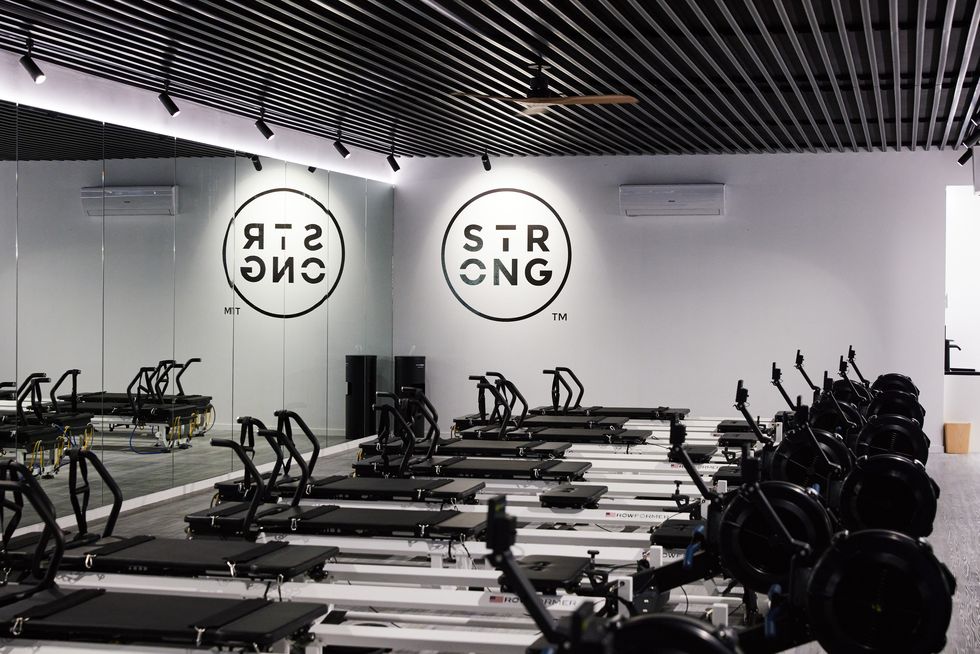


Boutique fitness studios have reshaped urban fitness culture in cities like London and Manchester.
Popular Boutique Trends in 2026:
-
HIIT (High-Intensity Interval Training)
-
Strength-focused small group training
-
Reformers & Pilates studios
-
CrossFit-style functional gyms
-
Boxing fitness and combat training
Consumers increasingly seek community-based fitness experiences rather than anonymous gym floors.
Boutique studios may charge more per session, but they offer:
-
Personal attention
-
Social interaction
-
Strong brand identity
-
Instagram-friendly environments
This model works especially well with millennials and Gen Z members.
Digital Fitness & Wearable Technology



Digital fitness has permanently transformed the UK industry.
Wearables & Data Tracking
Devices like fitness trackers and smartwatches allow users to monitor:
-
Heart rate
-
Sleep cycles
-
Calorie expenditure
-
VO2 max levels
Many gyms now integrate wearable data into member apps, creating a more personalised experience.
Hybrid Training Models
Gyms now offer:
-
On-demand classes
-
Livestream workouts
-
AI-powered training plans
-
Remote personal coaching
Consumers expect flexibility — they want to train in the gym, at home, or outdoors.
The growth of digital fitness has not replaced gyms — it has enhanced them.
Changing Consumer Behaviour in the UK
The modern UK fitness consumer is very different from five years ago.
1. Health Over Aesthetics
Fitness is now about:
-
Mental health
-
Longevity
-
Strength
-
Injury prevention
The shift away from purely aesthetic goals has encouraged older demographics to join gyms.
2. Flexible Membership Demand
Long-term contracts are becoming less popular. The demand is for:
-
Monthly rolling memberships
-
Freeze options
-
App-based management
3. Rise in Female Participation
Women-focused training spaces and strength training programs are growing rapidly. The outdated myth that weightlifting is male-dominated has significantly declined.
Corporate Wellness & Workplace Health
Workplace wellness is one of the fastest-growing segments.
Many UK employers now subsidise:
-
Gym memberships
-
Corporate fitness challenges
-
Mental health support
-
Online wellness workshops
Large corporate hubs in London and Manchester have particularly strong corporate wellness uptake.
Benefits for businesses include:
-
Reduced absenteeism
-
Improved productivity
-
Better employee retention
Corporate wellness is no longer a “perk” — it’s a business strategy.
Investment & Mergers in the UK Fitness Market
Private equity firms continue investing heavily in:
-
Multi-site gym chains
-
Boutique studio franchises
-
Fitness technology startups
-
AI-driven coaching platforms
Budget gym operators are attractive due to:
-
Recurring monthly revenue
-
Scalable infrastructure
-
High member retention rates
The UK remains a key European investment destination for fitness-related ventures.
Regional Fitness Trends Across the UK
London
-
High concentration of boutique studios
-
Premium health clubs thrive
-
Corporate wellness integration strongest
Northern England
Cities like Manchester and Leeds show rapid budget gym expansion.
Scotland
Glasgow and Edinburgh see strong demand for community-driven gyms and CrossFit-style training.
Smaller Towns
Budget chains are increasingly targeting smaller towns with lower rents and less competition.
Personal Training Market Growth
Personal training is no longer limited to elite athletes.
Key Drivers:
-
Desire for personalised programs
-
Accountability
-
Injury rehabilitation
-
Online coaching
Many trainers now operate hybrid models:
-
In-person sessions
-
Online check-ins
-
App-based tracking
-
Nutrition coaching
Social media marketing has become a primary client acquisition tool for personal trainers across the UK.
Wellness Integration: Beyond the Gym Floor
Modern UK fitness clubs now include:
-
Recovery zones
-
Sauna & cold therapy
-
Mobility classes
-
Mindfulness sessions
-
Nutrition consultations
The concept of “fitness” is merging with “wellness.”
This holistic approach increases member retention and boosts additional revenue streams.
Challenges Facing the UK Fitness Industry
Despite growth, the sector faces ongoing challenges:
1. Rising Energy Costs
Gyms are energy-intensive businesses.
2. Staff Recruitment
Qualified trainers and instructors remain in high demand.
3. Competition Saturation
Urban markets are becoming increasingly competitive.
4. Economic Uncertainty
Cost-of-living pressures may impact discretionary spending.
However, fitness remains one of the most resilient consumer sectors.
Future Outlook: What’s Next for UK Fitness?
AI-Powered Personalisation
Artificial intelligence will further customise workout programs and nutrition plans.
Smaller Smart Gyms
Automated micro-gyms with app-based entry systems will expand into residential areas.
Longevity & Preventative Health Focus
As the UK population ages, fitness will align more closely with healthcare strategies.
Government Health Initiatives
National campaigns promoting physical activity could further boost gym membership.
Why the UK Fitness Industry Remains a Strong Growth Market
-
High consumer awareness
-
Mature gym infrastructure
-
Tech adoption readiness
-
Corporate support
-
Strong investment activity
Fitness is no longer optional for many UK consumers — it’s a lifestyle necessity.
Final Thoughts
The UK fitness industry in 2026 is defined by resilience, innovation, and diversification.
Budget gyms continue expanding. Boutique studios create strong communities. Digital fitness enhances accessibility. Corporate wellness drives new revenue streams. And consumers are more health-conscious than ever before.
For investors, operators, and fitness professionals, the UK remains one of the most dynamic and opportunity-rich markets in Europe.
As trends evolve toward personalisation, longevity, and holistic wellness, one thing is clear:
The future of UK fitness is stronger than ever.