


After more than eight decades on Britain’s high streets, iconic accessories retailer Jane Shilton has announced the closure of three of its UK stores, marking the end of an era for thousands of loyal shoppers.
The heritage handbag brand, founded in 1946, confirmed it will shut selected locations as part of a restructuring strategy – while launching a nationwide “everything must go” clearance sale both in-store and online.
For customers who grew up browsing leather handbags, purses, and travel accessories in town centres across the UK, the news feels deeply personal. Here’s everything you need to know about the store closures, the clearance sale, what it means for the UK retail landscape in 2026, and how shoppers can secure the best bargains before doors close for good.
A British High Street Favourite Since 1946
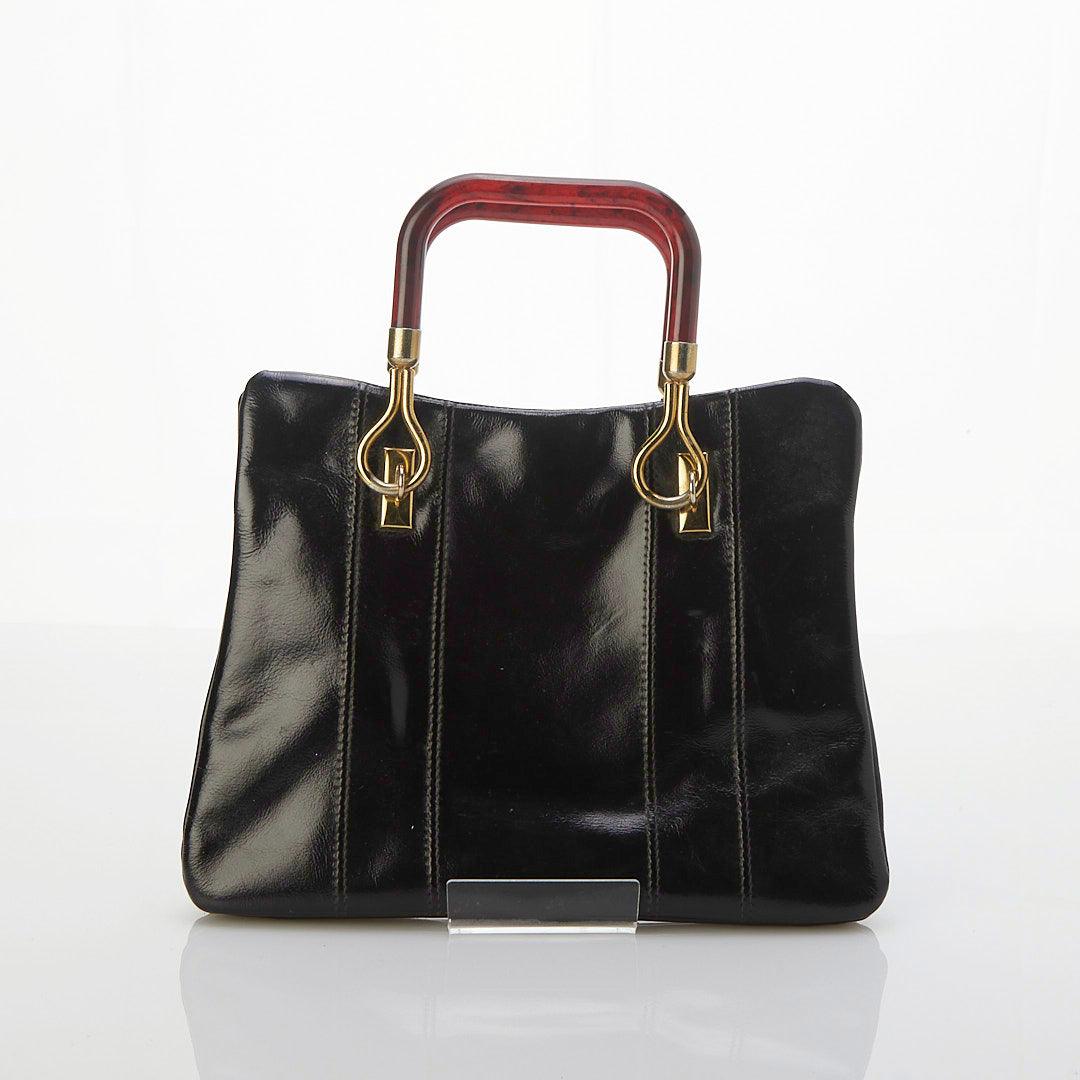


For 80 years, Jane Shilton has been synonymous with classic British craftsmanship. Founded just after World War II, the brand quickly became known for:
-
Durable leather handbags
-
Timeless British design
-
Practical travel bags
-
Affordable luxury accessories
Through the 1960s, 70s, and 80s, the brand became a staple of town centres from London to regional shopping districts across England and Scotland. Many customers remember receiving their first “grown-up” handbag from the retailer — a milestone purchase that signified quality and reliability.
Unlike trend-driven fashion chains, Jane Shilton built its identity on longevity and value. For decades, shoppers trusted the name for school satchels, work handbags, and sturdy luggage.
But even the most established high street brands have struggled in recent years.
Why Are the Stores Closing?
The retailer confirmed that three stores will close permanently in 2026. While exact branch locations may vary depending on lease negotiations, the closures are part of a broader retail restructuring plan.
Key Reasons Behind the Decision
-
Declining high street footfall
-
Rising operational costs (rent, energy, staffing)
-
Increased online competition
-
Changing consumer shopping habits
-
Post-pandemic retail restructuring
Across the UK, physical retail has faced ongoing pressure. According to retail analysts, 2025 saw continued shifts toward online purchasing, with more shoppers buying accessories digitally rather than visiting town centres.
High energy bills and commercial rents have added additional strain to traditional brick-and-mortar stores.
The company has stated that while some physical locations are closing, it will continue trading online — meaning the brand itself is not disappearing entirely.
‘Everything Must Go’ Sale – What Shoppers Need to Know
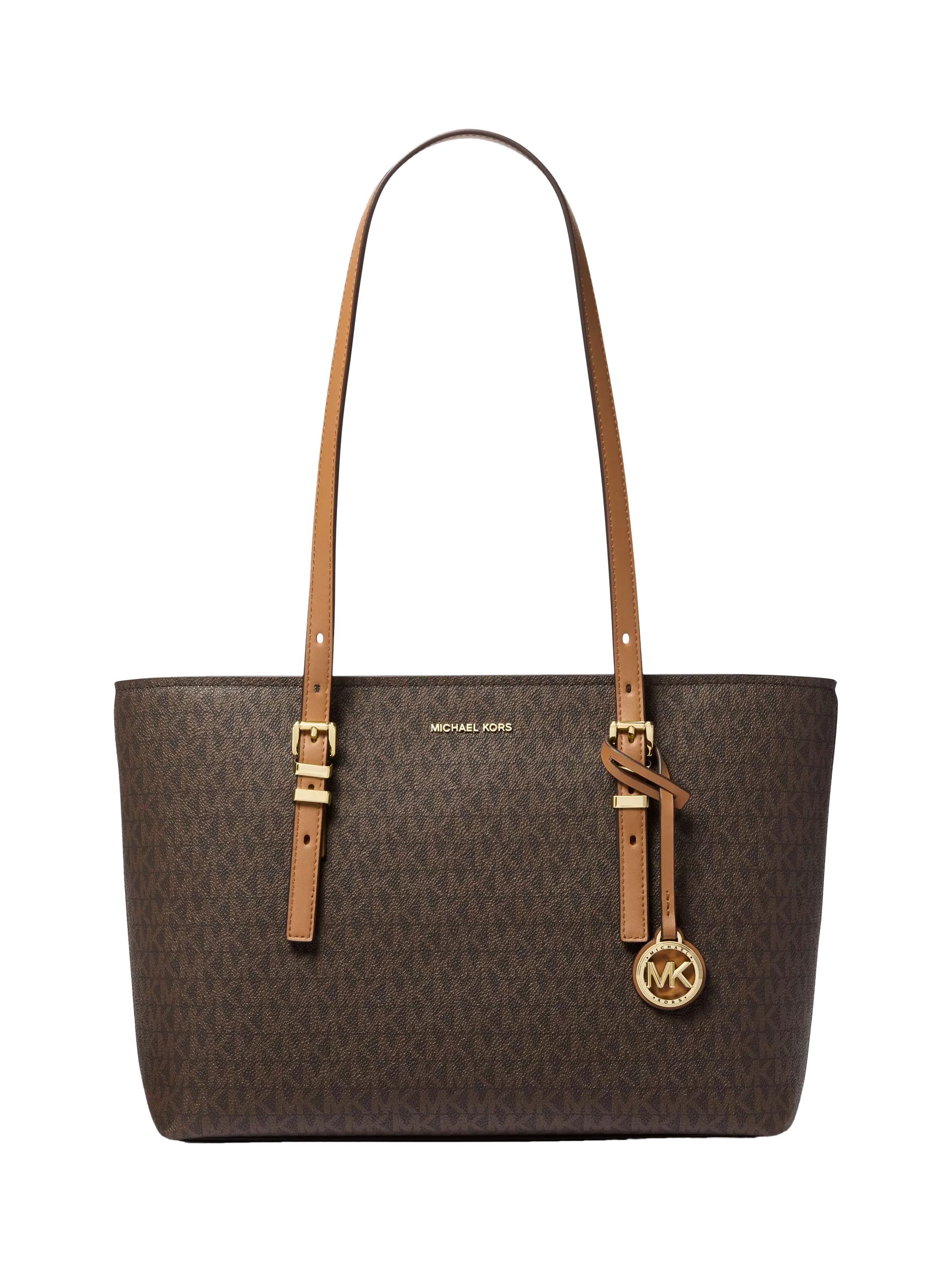


To mark the closures, Jane Shilton has launched a major clearance event, branded as an “everything must go” sale.
What’s Included?
-
Leather handbags (up to 50% off in some locations)
-
Travel luggage
-
Crossbody bags
-
Purses and wallets
-
Seasonal collections
-
Clearance stock and display items
While discounts vary by store, early reports suggest significant markdowns across older collections and end-of-line stock.
How Long Will the Sale Last?
Clearance sales typically run until stock is fully depleted. Once items sell out, they will not be restocked in closing branches.
Shoppers are advised to:
-
Visit stores early in the day
-
Check online availability
-
Sign up for email alerts
-
Follow official social media pages for updates
The Impact on the UK High Street


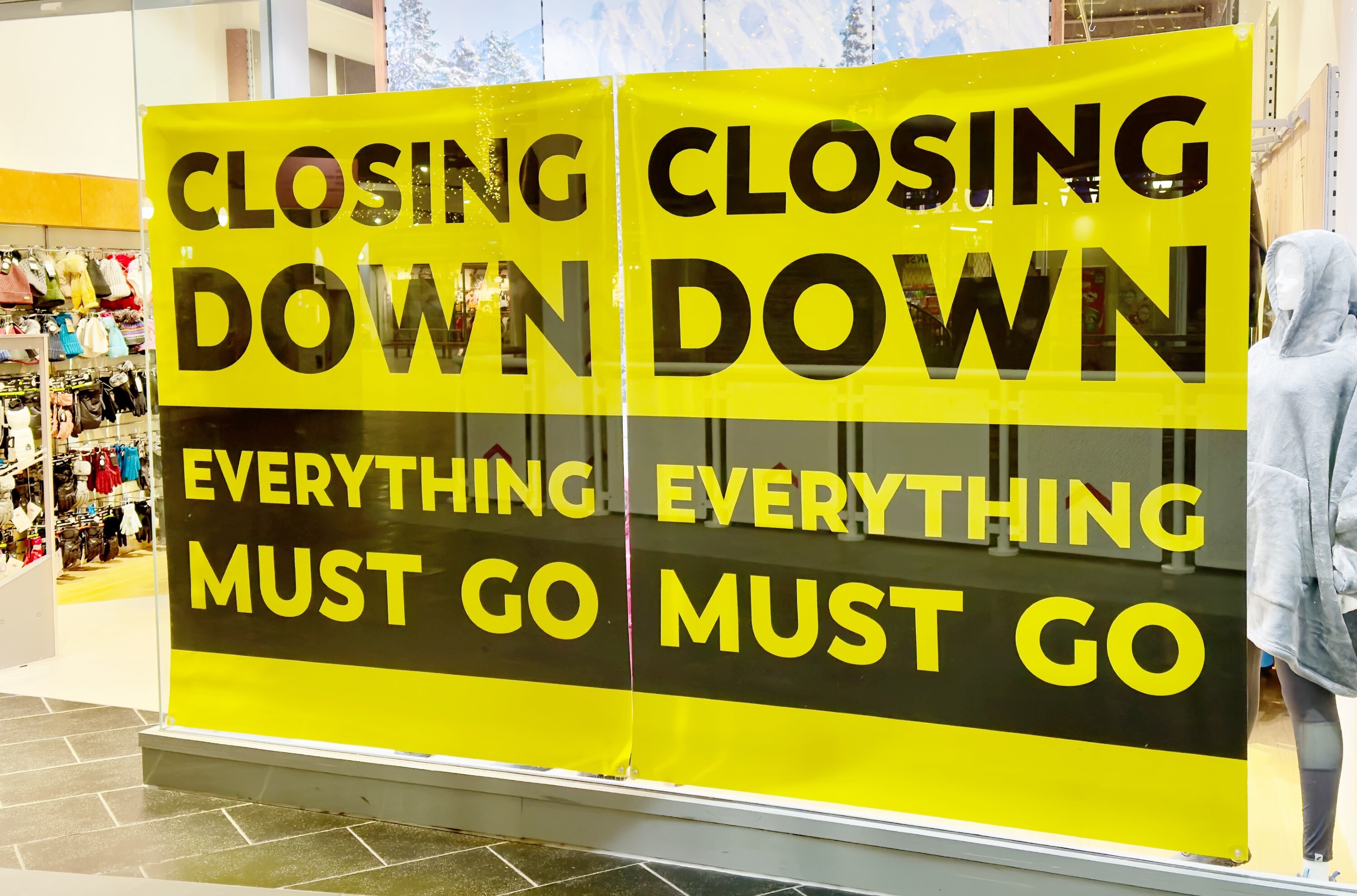
The closure of even three stores may seem small, but it reflects a larger trend across Britain.
Over the past decade, numerous household names have reduced their physical footprint. Shopping centres in smaller towns have seen especially sharp declines in foot traffic.
Wider Retail Challenges in 2026
-
Inflation pressures on consumers
-
Reduced discretionary spending
-
Competition from online-only retailers
-
Growth of resale and sustainable fashion markets
-
Younger shoppers favouring direct-to-consumer brands
Retail experts say heritage brands must adapt rapidly or risk being left behind.
What Happens to Staff?
While the company has not publicly detailed staffing numbers, store closures inevitably affect employees.
Retail closures typically involve:
-
Redundancy consultations
-
Redeployment opportunities
-
Support for job transitions
Local communities often feel the impact when longstanding shops close — not just economically, but culturally.
Customer Reactions: “The End of an Era”
On social media, loyal customers have expressed sadness over the announcement.
Common themes include:
-
Nostalgia for high street shopping
-
Memories of buying school bags and handbags
-
Frustration over ongoing retail decline
-
Determination to support the clearance sale
For many shoppers, Jane Shilton represents more than just a retailer — it represents decades of family tradition.
Is the Brand Disappearing Completely?
No — the closures affect specific physical branches, but the brand continues to operate online.
This shift reflects a growing trend among UK retailers moving toward:
-
E-commerce-first strategy
-
Lower overhead business models
-
Digital marketing focus
-
Social media-driven sales
Online shopping now accounts for a significant share of UK retail transactions, particularly in fashion and accessories.
How to Grab the Best Bargains
If you’re planning to shop the “everything must go” sale, here are some insider tips:
1. Shop Early
Popular colours and classic leather styles sell out first.
2. Inspect Display Items
Some clearance stock may include display models with minor cosmetic marks — often heavily discounted.
3. Compare Online Prices
Sometimes online clearance prices differ from in-store discounts.
4. Ask About Final Sale Policies
Closing-down sales often have strict no-return policies.
The Rise and Fall of British High Street Fashion
Jane Shilton’s story mirrors many other British retailers who flourished in the 20th century but struggled in the digital era.
From independent department stores to specialist accessory chains, traditional shopping has changed dramatically.
The growth of:
-
Amazon-style convenience
-
Fast fashion brands
-
Buy-now-pay-later apps
-
Social commerce platforms
…has fundamentally reshaped consumer behaviour.
Could More Stores Close?
While only three closures have been announced, retail analysts often warn that restructuring can evolve over time.
Factors that could influence future decisions:
-
Performance of remaining stores
-
Online sales growth
-
Lease renewals
-
Consumer spending patterns in 2026
At this stage, there is no confirmation of additional closures beyond the three locations.
The Emotional Side of Store Closures
Retail isn’t just about transactions — it’s about memories.
For many Britons:
-
First job interview handbag
-
Graduation gift
-
Mother’s Day present
-
Holiday luggage purchase
Physical stores create tactile experiences that online shopping cannot fully replicate.
That emotional connection explains why closure announcements often trend on Google Discover and UK news platforms.
Sustainability and the Future of Handbag Retail
Interestingly, handbag retail may not be declining overall — it’s evolving.
Modern consumers increasingly value:
-
Sustainable materials
-
Vegan leather alternatives
-
Circular fashion
-
Resale marketplaces
Brands that adapt to sustainability trends are often better positioned for long-term survival.
Whether Jane Shilton pivots more heavily into sustainable materials remains to be seen.
What This Means for UK Retail in 2026
The closure of three stores after 80 years sends a powerful message:
Even established brands must evolve.
The UK retail landscape in 2026 is defined by:
-
Hybrid online/offline models
-
Smaller store footprints
-
Experience-led shopping
-
Digital-first marketing
Shoppers are more price-conscious than ever, but they also crave authenticity and heritage.
Final Thoughts: An 80-Year Legacy Lives On
While three physical stores will close, the legacy of Jane Shilton is unlikely to disappear entirely.
For 80 years, the brand provided:
-
Affordable leather goods
-
Reliable craftsmanship
-
Trusted British retail presence
The “everything must go” sale offers shoppers a final opportunity to own a piece of high street history.
As Britain’s retail landscape continues to evolve, this announcement serves as a reminder that even beloved brands must adapt — or consolidate — in a rapidly changing market.
Frequently Asked Questions (FAQ)
Why is Jane Shilton closing stores?
The closures are part of a restructuring strategy influenced by declining footfall, rising costs, and changing shopping habits.
How many stores are closing?
Three UK stores have been confirmed for closure in 2026.
Is the brand shutting down completely?
No. The company continues to operate online.
Are discounts significant?
Yes. The “everything must go” sale includes major markdowns, particularly on end-of-line stock.