


For years, the British Museum has dominated the UK’s tourism rankings, drawing millions of visitors eager to explore its vast collections of global history. But 2025 marks a significant turning point. A new attraction has surged ahead, redefining what both domestic and international visitors seek when exploring Britain.
This shift isn’t just about numbers—it reflects changing travel preferences, evolving visitor expectations, and the growing importance of immersive, experience-driven tourism.
The New No.1: Tower of London Claims the Crown



In 2025, the Tower of London has officially taken the top spot as the UK’s most popular tourist attraction, surpassing the long-reigning British Museum.
Why the Tower of London?
Several factors contributed to its rise:
-
Immersive storytelling: Visitors are no longer just observing history—they’re experiencing it through guided tours, live reenactments, and interactive exhibits.
-
Iconic heritage: As a UNESCO World Heritage Site, the Tower offers a deeply authentic connection to British history.
-
Crown Jewels appeal: The dazzling display of royal regalia continues to attract millions annually.
-
Strategic location: Positioned along the River Thames, it benefits from proximity to other major landmarks.
The Tower’s ability to blend history with engaging experiences has made it a standout destination in a competitive tourism landscape.
What Happened to the British Museum?


The British Museum hasn’t lost its appeal—but it has seen a relative decline in rankings.
Key Reasons Behind the Shift
-
Changing visitor expectations
Modern tourists increasingly prefer interactive and experiential attractions over traditional static displays. -
Crowd fatigue
The museum’s popularity has sometimes worked against it, with overcrowding affecting visitor satisfaction. -
Digital competition
With many artifacts available online in high resolution, some travelers feel less urgency to visit in person. -
Controversy and debates
Ongoing discussions around artifact ownership have also influenced public perception.
Despite these challenges, the British Museum remains one of the world’s most important cultural institutions.
The Rise of Experiential Tourism in the UK
The success of the Tower of London highlights a broader trend: experiential tourism is now king.
What Do Visitors Want in 2025?
-
Interactive exhibits
-
Live demonstrations and performances
-
Story-driven tours
-
Personalized experiences
Attractions that deliver these elements are outperforming those that rely solely on traditional displays.
Other Top Contenders in the UK Tourism Rankings
While the Tower of London leads, several other attractions continue to draw massive crowds.
Natural History Museum

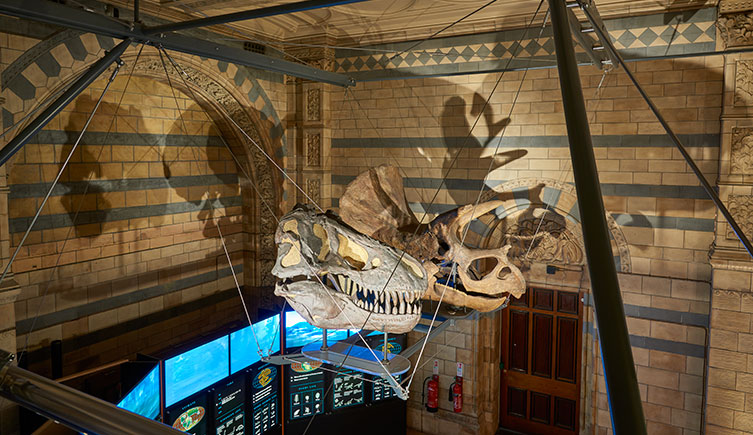

The Natural History Museum remains a family favorite.
-
Famous for its dinosaur exhibits
-
Free entry boosts accessibility
-
Strong educational appeal
Windsor Great Park


The Windsor Great Park has seen a surge in popularity thanks to:
-
Open green spaces
-
Scenic walking routes
-
Proximity to Windsor Castle
Tate Modern



The Tate Modern continues to attract art lovers with:
-
Cutting-edge exhibitions
-
Free general admission
-
Stunning riverside location
Edinburgh Castle



Outside England, the Edinburgh Castle remains one of the UK’s most visited sites.
-
Rich Scottish history
-
Panoramic city views
-
Year-round cultural events
Why the Tower of London Resonates in 2025
The Tower’s rise isn’t accidental—it reflects a deeper understanding of what modern travelers want.
1. Storytelling Over Static Displays
Visitors are drawn to narratives. The Tower excels in bringing history to life through:
-
Yeoman Warder (Beefeater) tours
-
Interactive exhibits
-
Dramatic storytelling
2. Social Media Appeal
In the age of Instagram and TikTok:
-
Iconic visuals matter
-
The Tower provides photogenic backdrops
-
Visitors share experiences in real time
3. Multi-Sensory Experiences
Unlike traditional museums, the Tower engages multiple senses:
-
Visual displays
-
Guided narration
-
Live performances
Tourism Data: A Changing Landscape
Recent tourism data reveals:
-
Increased preference for heritage sites with interactive elements
-
Growing demand for outdoor and hybrid attractions
-
Rise in domestic tourism within the UK
These trends have directly contributed to the Tower of London’s success.
Economic Impact of the New No.1 Attraction
The Tower’s rise has broader implications for the UK economy.
Boost to Local Businesses
-
Hotels near central London report higher occupancy
-
Restaurants and cafes benefit from increased foot traffic
-
Tour operators see higher demand
Job Creation
-
Increased staffing at the Tower
-
Growth in tourism-related services
The Role of Technology in Tourism Growth
Technology has played a crucial role in reshaping visitor experiences.
At the Tower of London
-
Augmented reality guides
-
Interactive apps
-
Digital ticketing systems
Across the UK
-
Virtual tours
-
AI-powered travel planning
-
Contactless visitor services
Challenges Facing UK Attractions
Despite growth, challenges remain:
Overcrowding
Popular sites like the Tower risk becoming overcrowded, potentially affecting visitor satisfaction.
Sustainability
-
Managing environmental impact
-
Preserving historical sites
Competition
Global destinations continue to compete for турист attention.
What This Means for the Future of UK Tourism
The shift from the British Museum to the Tower of London signals a broader transformation.
Key Takeaways
-
Experience-driven tourism is the future
-
Heritage sites must innovate
-
Digital integration is essential
Tips for Visiting the Tower of London in 2025
If you’re planning a visit:
Best Time to Go
-
Early morning or late afternoon
-
Weekdays to avoid crowds
Must-See Highlights
-
Crown Jewels
-
White Tower
-
Medieval Palace
Insider Tips
-
Book tickets online in advance
-
Join a guided tour for deeper insights
Conclusion: A New Era for UK Attractions
The rise of the Tower of London to the top spot in 2025 marks a defining moment in UK tourism. While the British Museum remains a cultural powerhouse, the shift highlights evolving visitor expectations.
Travelers today want more than just history—they want to feel it, experience it, and share it.
As attractions across the UK adapt to these demands, one thing is clear: the future of tourism belongs to those who can turn history into unforgettable experiences.
FAQs
What is the most visited tourist attraction in the UK in 2025?
The Tower of London has taken the top spot.
Why did the British Museum lose its top ranking?
Changing visitor preferences, crowding, and a shift toward experiential tourism played key roles.
Is the Tower of London worth visiting?
Absolutely—it offers a unique blend of history, storytelling, and iconic exhibits.
Are free attractions still popular in the UK?
Yes, places like the Natural History Museum and Tate Modern continue to attract millions.