

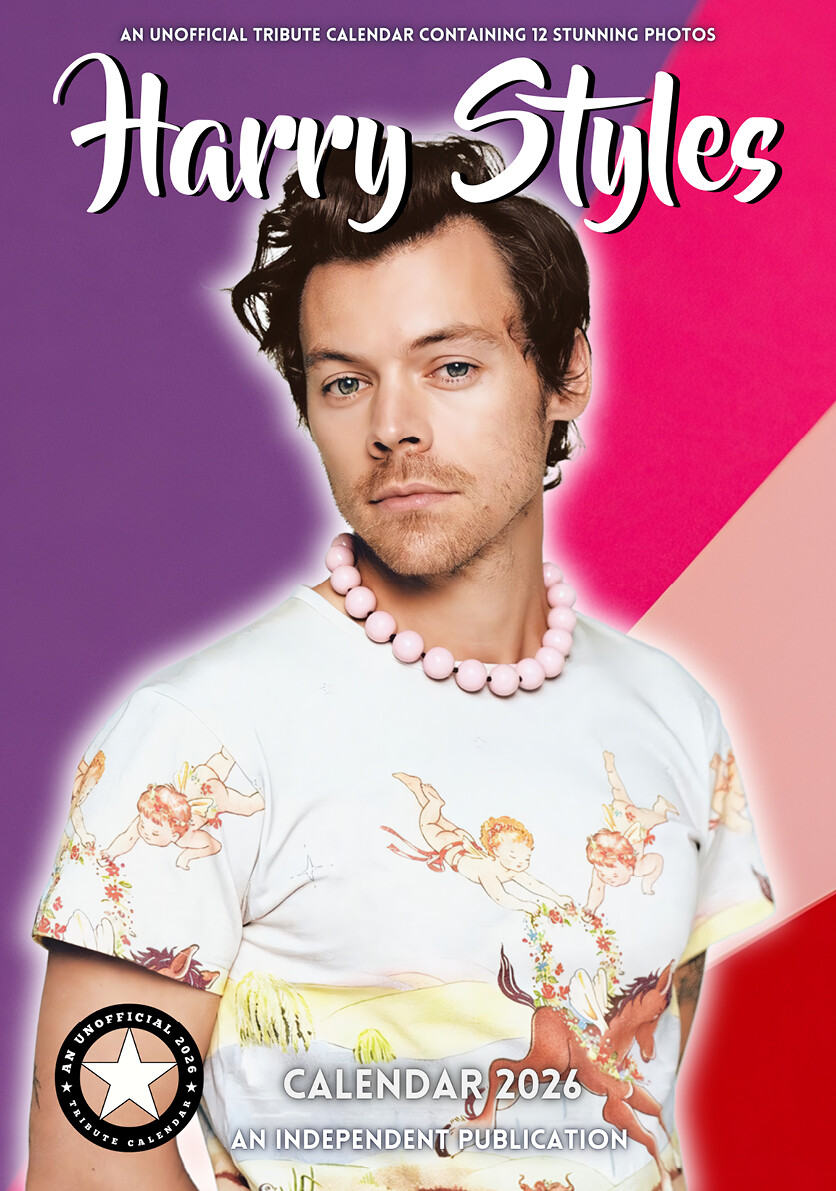


Few modern pop stars have mastered reinvention quite like Harry Styles. Since leaving the global boyband phenomenon One Direction, Styles has built a solo career that balances mass appeal with artistic curiosity. His previous albums—from the introspective Fine Line to the globally dominant Harry’s House—proved that he could deliver chart-topping hits while maintaining a distinctive musical personality.
With his latest project, Kiss All the Time. Disco, Occasionally, Styles attempts another subtle pivot. The album leans heavily into shimmering disco grooves, soft-rock nostalgia, and playful romanticism. The result is a record that is almost always pleasant, occasionally brilliant, and unmistakably Harry Styles.
This review dives deep into the album’s sound, lyrics, influences, highlights, and where it stands in the singer’s evolving catalog.
Harry Styles’ Evolution as a Pop Artist
Before examining the new album, it’s important to understand how Styles arrived at this moment.
Styles first gained fame in 2010 as part of One Direction, a group assembled on the reality show The X Factor. The band became one of the biggest pop acts of the 2010s, selling millions of records worldwide.
But when Styles launched his solo career in 2017, he intentionally distanced himself from the boy-band formula. Instead, he embraced influences ranging from classic rock to soft pop.
His debut album featured guitar-driven ballads reminiscent of artists like David Bowie and Elton John. Then came 2019’s Fine Line, which delivered global hits such as “Adore You” and the Grammy-winning “Watermelon Sugar.”
By the time Harry’s House arrived in 2022, Styles had fully transformed into one of pop’s most influential figures. Songs like “As It Was” dominated charts worldwide and cemented his ability to blend indie sensibilities with mainstream accessibility.
Kiss All the Time. Disco, Occasionally continues that trajectory—but with a heavier emphasis on rhythm, groove, and nostalgia.
First Impressions of Kiss All the Time. Disco, Occasionally
From the opening track, the album signals its direction clearly: this is a bright, romantic, groove-oriented record.
The title alone hints at the tone. “Kiss All the Time” suggests playful romance, while “Disco, Occasionally” nods to the musical aesthetic that threads through much of the album.
But despite the disco reference, the record isn’t a full retro throwback. Instead, Styles blends disco elements with modern pop production, creating a sound that feels both nostalgic and contemporary.
The album’s mood is generally upbeat and relaxed. Even when lyrics hint at heartbreak or longing, the music remains warm and inviting.
It’s the kind of record that sounds equally comfortable:
-
in a summer car ride
-
at a late-night dance party
-
or through headphones during a quiet evening
That versatility has always been one of Styles’ strengths.
The Disco Influence: Subtle But Effective


Disco influences have been creeping into pop music for years. Artists like Dua Lipa, The Weeknd, and Kylie Minogue have all embraced the genre’s rhythmic warmth.
Styles approaches disco differently.
Instead of recreating classic disco sounds directly, he uses disco as a texture rather than a template. The basslines glide. The guitars shimmer. The drums pulse with gentle momentum.
The result feels less like a throwback party and more like a soft glow of retro inspiration.
Some tracks lean heavily into the groove, with rhythmic basslines and sparkling synths that feel designed for dance floors. Others mix disco with folk-pop melodies or indie-pop arrangements.
This variety keeps the album engaging even when individual songs don’t immediately stand out.
Lyrical Themes: Romance, Longing, and Playfulness
Harry Styles has never been known for deeply cryptic songwriting. His lyrics tend to revolve around universal emotions—love, attraction, vulnerability, nostalgia.
Kiss All the Time. Disco, Occasionally continues that tradition.
The album’s lyrics explore themes such as:
-
fleeting romance
-
emotional vulnerability
-
longing for connection
-
late-night memories
-
playful flirtation
There’s a breezy sincerity to the writing. Styles rarely tries to sound overly poetic or complicated. Instead, he focuses on simple phrases that capture feelings instantly.
That approach is part of his appeal. Fans don’t necessarily listen to Styles for complex storytelling; they listen because his songs feel relatable and emotionally accessible.
The Album’s Standout Moments
While the album remains consistently pleasant, certain songs rise above the rest.
The Title Track
“Kiss All the Time” is arguably the album’s centerpiece. Built around a silky bassline and shimmering guitar riffs, the track embodies the album’s romantic energy.
The chorus is instantly memorable, driven by Styles’ warm vocal delivery and layered harmonies.
A Disco-Pop Highlight
Another standout track leans more heavily into the disco aesthetic, featuring upbeat percussion and bright synth melodies. It’s the kind of song that could easily dominate summer playlists.
The Emotional Ballad
Styles has always balanced upbeat songs with slower emotional moments. One of the album’s quieter tracks delivers that contrast, pairing acoustic instrumentation with introspective lyrics.
This track reminds listeners why Styles remains one of pop’s most compelling vocalists.
Vocal Performance: Smooth, Confident, Effortless
One of the album’s greatest strengths is Styles’ voice.
His vocal style has matured significantly since his early days with One Direction. Where he once relied heavily on youthful charm, he now sings with a calm confidence that suits the album’s relaxed atmosphere.
Throughout Kiss All the Time. Disco, Occasionally, his vocals remain:
-
smooth
-
expressive
-
understated
He rarely pushes his voice into dramatic territory. Instead, he lets melodies flow naturally, giving the songs a sense of intimacy.
Production: Polished But Warm
The production on this album is sleek yet comfortable.
Rather than the glossy maximalism often found in mainstream pop, the sound design here feels relatively organic. Instruments breathe. The mixes feel spacious rather than overcrowded.
Key production elements include:
-
shimmering guitars
-
groovy basslines
-
subtle synth textures
-
light percussion
This style keeps the album cohesive and easy to listen to from start to finish.
Where the Album Falls Short
Despite its many strengths, Kiss All the Time. Disco, Occasionally isn’t a flawless record.
One criticism often directed at Styles is that his music can sometimes be too pleasant. The songs rarely take major risks or explore darker emotional territory.
This album continues that trend.
Many tracks blend together stylistically, and while they’re enjoyable, only a few feel truly unforgettable.
In other words:
-
the album is consistently nice
-
but only occasionally great
For some listeners, that consistency will be comforting. For others, it may feel slightly safe.
How It Compares to Harry’s House


It’s impossible to review this album without comparing it to Styles’ previous release, Harry’s House.
That album produced massive hits and earned Styles critical acclaim, including multiple awards at the Grammy Awards.
Compared to Harry’s House, the new record feels slightly less groundbreaking. The earlier album introduced a distinctive sonic palette that reshaped Styles’ musical identity.
Kiss All the Time. Disco, Occasionally feels more like a continuation than a reinvention.
However, that doesn’t mean it lacks charm. The album’s relaxed tone and cohesive aesthetic make it a satisfying listen, even if it doesn’t deliver the same cultural impact.
Harry Styles’ Cultural Influence
Beyond the music itself, Styles remains one of the most influential figures in modern pop culture.
His appeal extends far beyond charts and streaming numbers.
He has become known for:
-
bold fashion choices
-
gender-fluid style
-
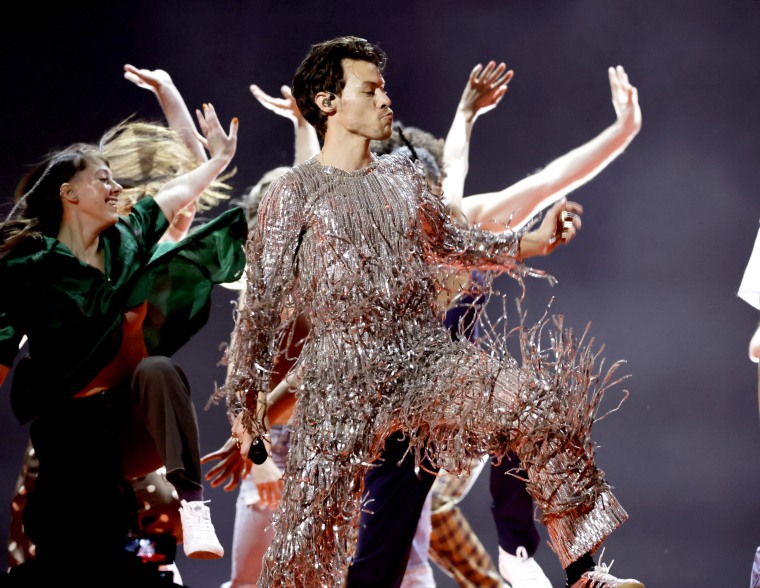
charismatic live performances
-
strong fan connection
Styles has appeared in films, collaborated with major designers, and consistently sold out arenas worldwide.
In many ways, he represents a new type of pop star—one who balances mainstream success with artistic individuality.
Fan Reactions and Early Reception
Early reactions to the album have been overwhelmingly positive among fans.
Listeners have praised:
-
the album’s feel-good vibe
-
Styles’ vocals
-
the retro-inspired production
Some critics, however, have echoed the idea that the record occasionally plays it safe.
But even those critiques often come with praise for Styles’ charm and musical instincts.
Few artists today can release an album that instantly dominates global streaming platforms while maintaining a distinct artistic voice.
Styles continues to do exactly that.
The Album’s Place in Harry Styles’ Discography
Looking at Styles’ discography as a whole, Kiss All the Time. Disco, Occasionally occupies an interesting middle ground.
It’s not as raw as his debut album.
It’s not as culturally impactful as Harry’s House.
But it may be his most easygoing and consistently enjoyable record yet.
It’s the kind of album that doesn’t demand intense attention but rewards repeated listening.
Over time, some of its quieter songs may become fan favorites.
Final Verdict: Nice All the Time, Good Occasionally
Kiss All the Time. Disco, Occasionally is a warm, charming pop album that showcases Harry Styles at his most relaxed.
It may not redefine his career or transform the pop landscape, but it does exactly what a Harry Styles album should do: deliver stylish, emotionally accessible music that feels effortless.
The disco influences add sparkle. The melodies remain memorable. And Styles’ charisma ties everything together.
The album’s biggest strength—and perhaps its biggest limitation—is its consistency.
Every track is enjoyable.
Only a few are truly exceptional.
But sometimes, that’s enough.
Rating
★★★★☆ (4/5)
-
Best for: fans of feel-good pop and retro-inspired grooves
-
Highlights: smooth production, strong vocals, irresistible charm
-
Weakness: occasionally too safe
Harry Styles once again proves that he understands the essence of pop music: making people feel good.
And on Kiss All the Time. Disco, Occasionally, he succeeds—almost all the time.