


The UK business landscape is moving at a rapid pace. From shifts in inflation and interest rates to retail shake-ups, property market adjustments, fintech growth, and energy transition strategies, there’s no shortage of headline-making developments.
If you’re wondering what’s happening in UK business today, this in-depth guide breaks down the most important trends, sectors to watch, and how they could impact entrepreneurs, investors, and everyday consumers.
1. UK Economy Snapshot: Growth, Inflation & Interest Rates


The UK economy continues to balance between resilience and caution. After several turbulent years marked by Brexit adjustments, pandemic recovery, and global energy shocks, the current focus is stabilisation and sustainable growth.
📊 Inflation Trends
Inflation has moderated compared to its peak levels, but price pressures remain in:
-
Food and groceries
-
Energy and utilities
-
Housing and rents
-
Insurance and transport
The Bank of England remains cautious, closely monitoring inflation to ensure it stays aligned with its 2% target.
💷 Interest Rates & Borrowing
Higher interest rates have significantly impacted:
-
Mortgage repayments
-
Business loans
-
Credit card borrowing
-
SME expansion plans
For businesses, borrowing costs remain elevated compared to pre-2022 levels. However, many analysts expect gradual rate adjustments as inflation stabilises.
Impact on Businesses:
-
Companies are prioritising cash flow management.
-
Expansion plans are more strategic and data-driven.
-
Startups are focusing on profitability rather than pure growth.
2. Retail Sector: Adaptation, AI & High Street Revival
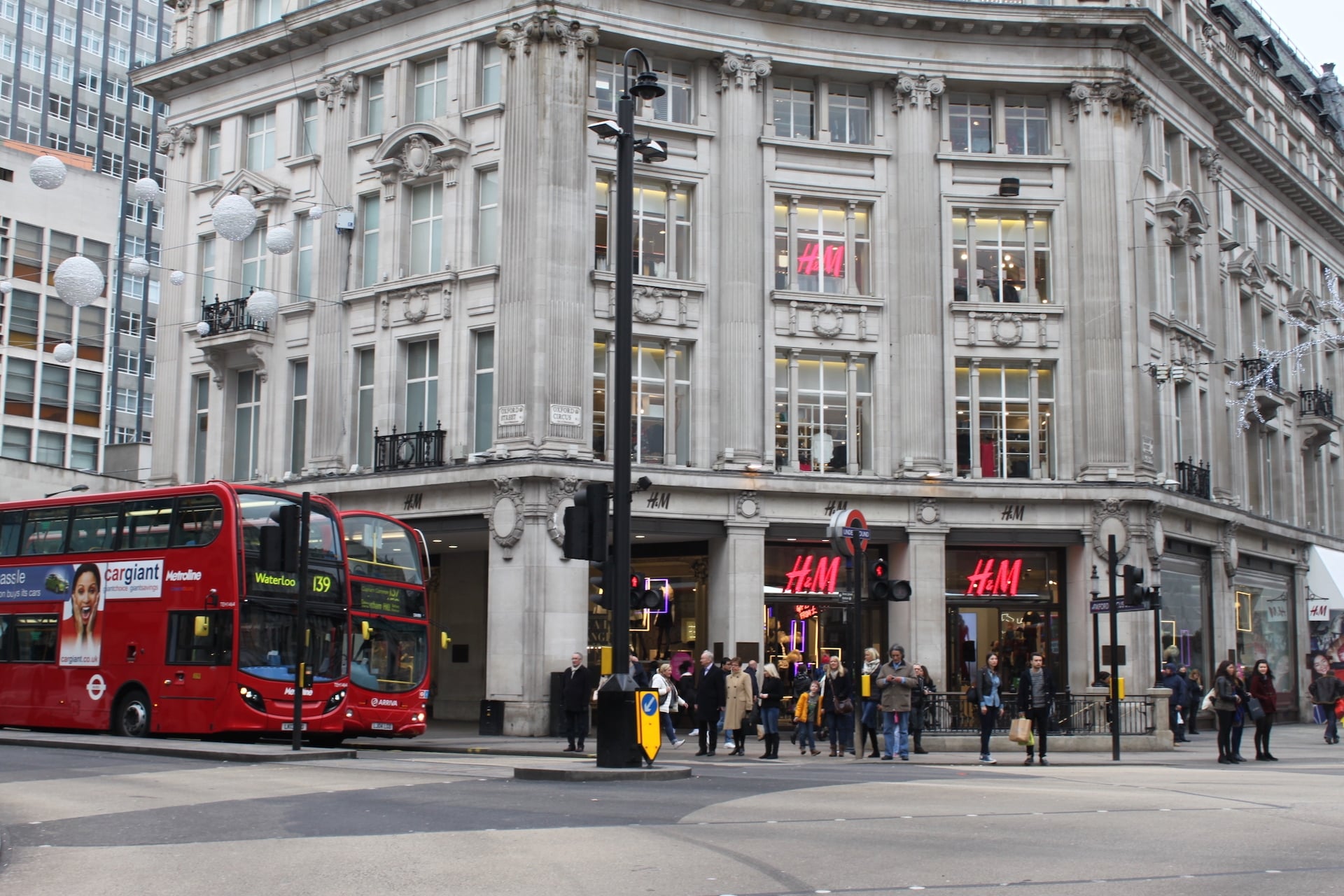


The UK retail sector is evolving fast.
🛍️ High Street Recovery
After years of closures, some high streets are seeing renewed investment. Flexible retail spaces, pop-up shops, and experiential stores are drawing footfall back into town centres.
Large retailers continue restructuring. For example:
-
Tesco is expanding its convenience store model.
-
Marks & Spencer has focused heavily on food-led growth.
-
Primark is balancing physical retail with limited digital expansion.
🤖 AI & Automation in Retail
AI-powered stock management, dynamic pricing, and customer behaviour tracking are becoming mainstream.
Retailers now use:
-
Predictive analytics for demand forecasting
-
Automated warehouses
-
Chatbots and personalised recommendations
This shift is improving margins but reducing traditional retail roles.
3. Property Market: Cooling, Then Rebalancing


The UK housing market has cooled compared to pandemic highs, but it remains active.
🏡 Residential Property
House prices have stabilised in many regions, while London shows mixed performance depending on borough and property type.
Key factors:
-
Mortgage affordability constraints
-
Wage growth improvements
-
Limited housing supply
Developers are cautious but still investing in high-demand areas.
🏢 Commercial Property
Office demand is changing due to hybrid working. Flexible workspaces are in demand, while traditional large office spaces are under pressure.
Logistics and warehouse property, however, remain strong due to e-commerce growth.
4. UK Energy & Green Transition


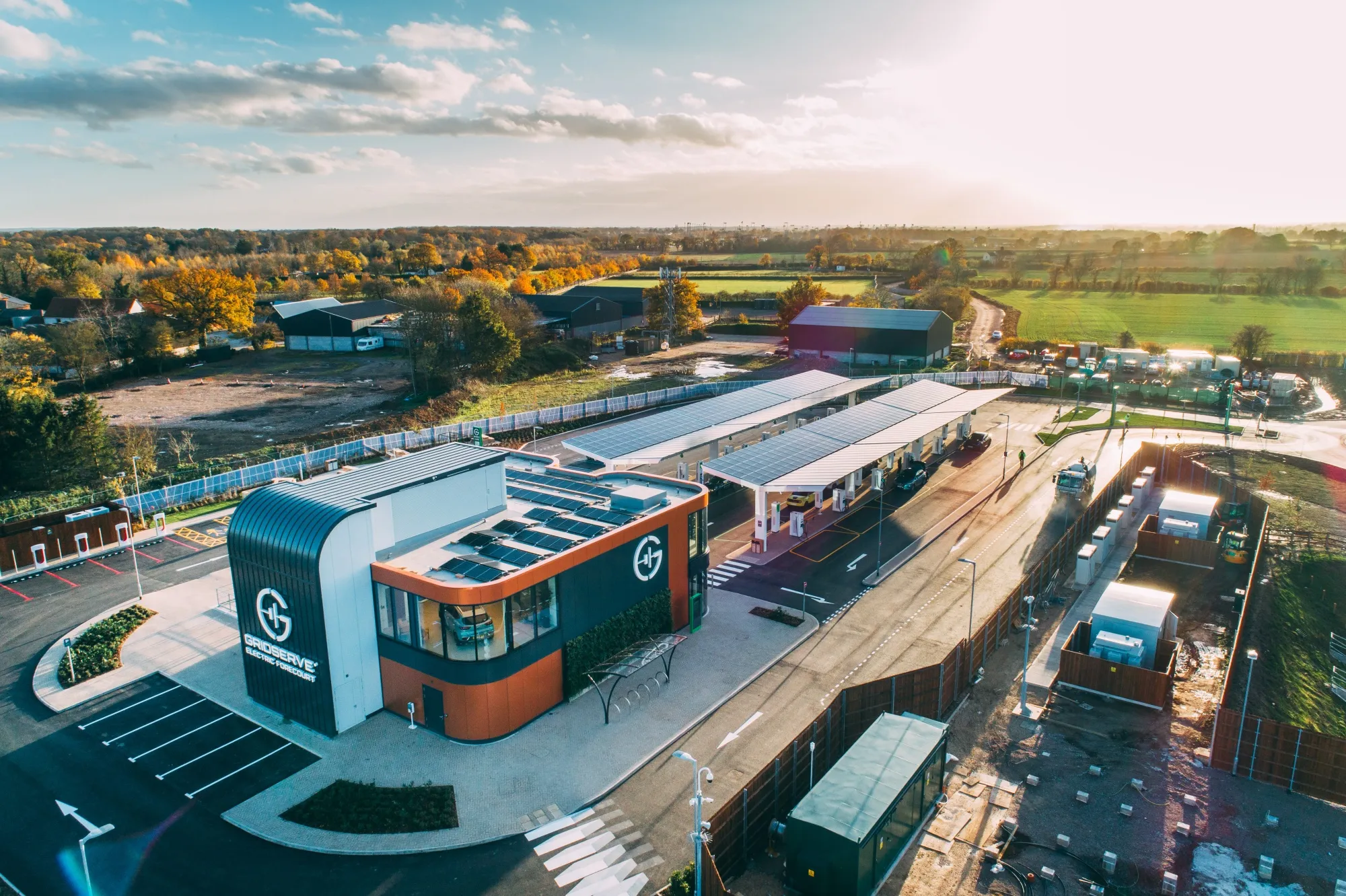
The UK’s push toward net-zero is reshaping multiple industries.
🌬️ Renewable Investment
The government continues backing wind, solar, and hydrogen projects. Major energy firms are increasing investment in renewable infrastructure.
Energy providers such as BP and Shell are diversifying into cleaner technologies while maintaining traditional energy operations.
⚡ Energy Costs & Business Impact
Energy remains a major cost factor for:
-
Manufacturing firms
-
Hospitality businesses
-
SMEs
Many companies are investing in:
-
Solar panels
-
Energy-efficient equipment
-
ESG strategies to attract investors
5. UK Tech & Fintech Boom
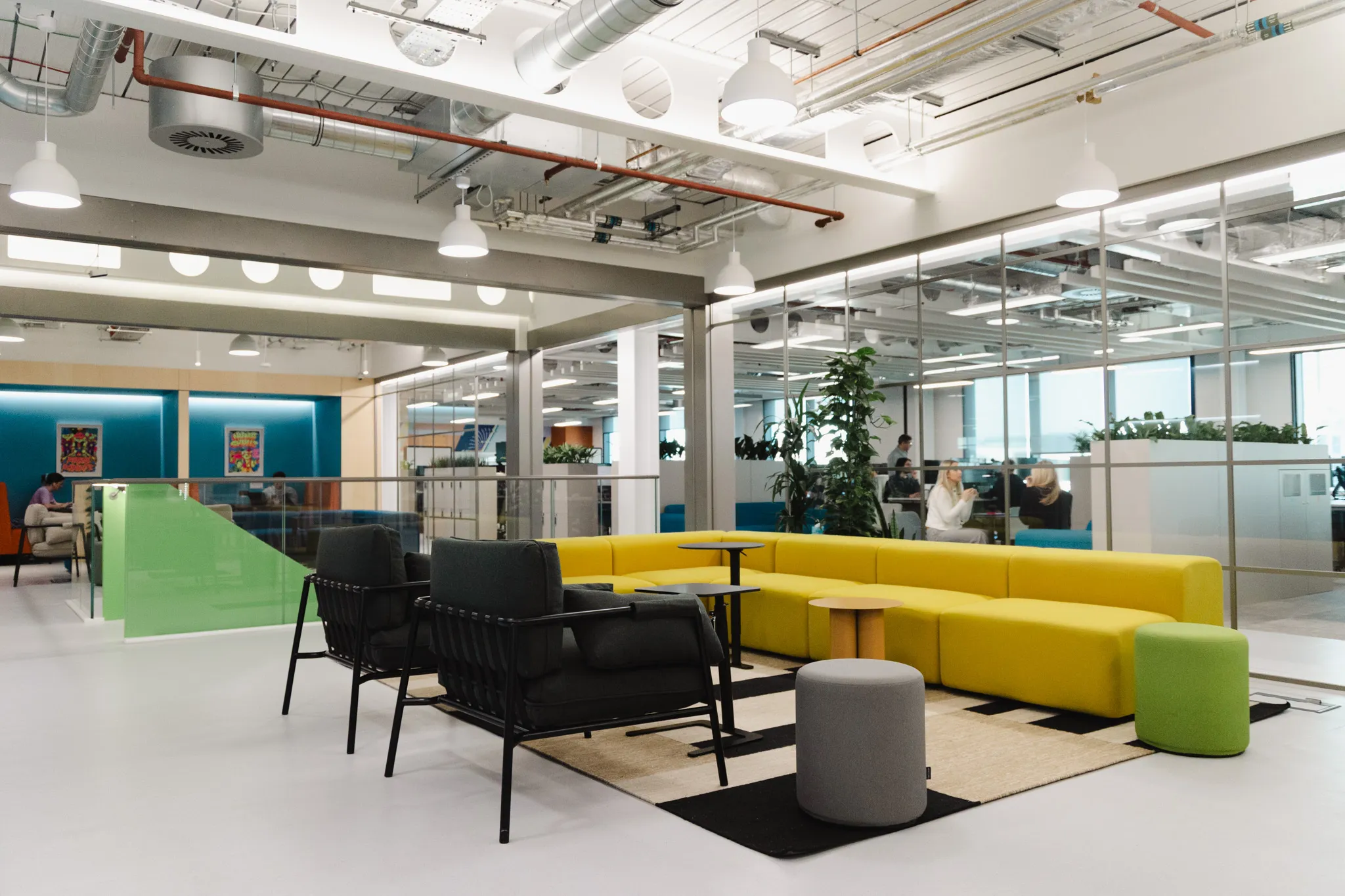

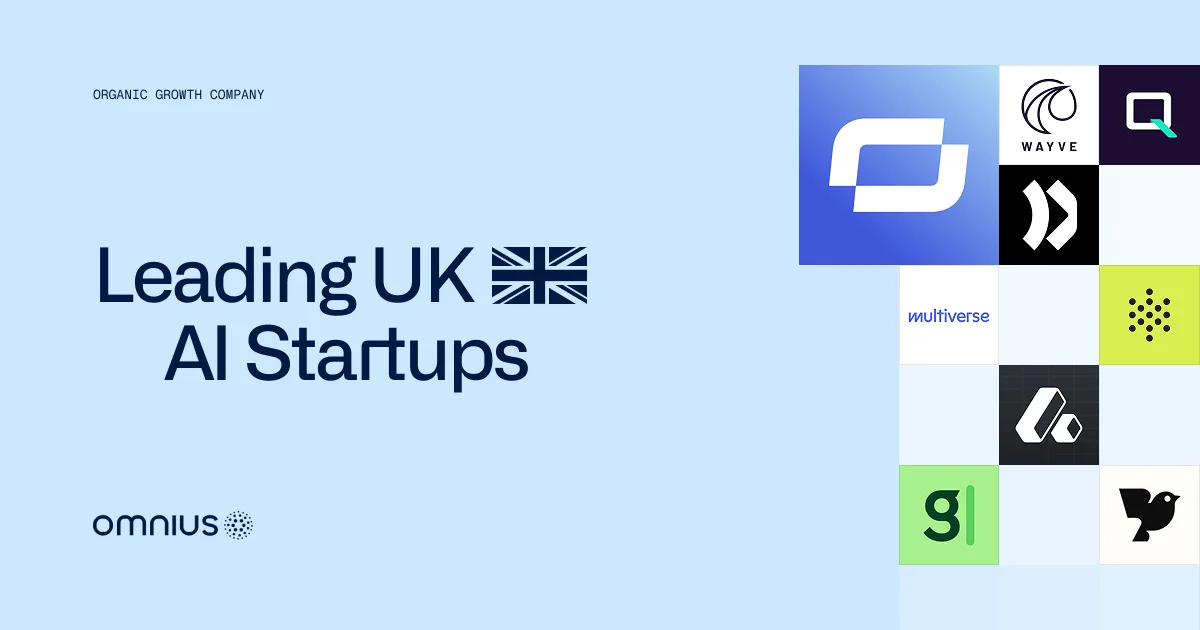
Despite funding slowdowns globally, the UK tech ecosystem remains one of Europe’s strongest.
🚀 Fintech Leadership
London remains a fintech powerhouse. Firms like:
-
Revolut
-
Monzo
continue expanding internationally.
Digital banking, open banking frameworks, and embedded finance are shaping the sector’s future.
🤖 Artificial Intelligence Expansion
AI adoption is spreading beyond tech companies into:
-
Healthcare
-
Finance
-
Legal services
-
Marketing
Government discussions around AI regulation aim to balance innovation with oversight.
6. SME & Startup Environment
Small and medium-sized enterprises remain the backbone of the UK economy.
📈 Growth Opportunities
SMEs are benefiting from:
-
Remote working talent pools
-
Digital marketing tools
-
E-commerce platforms
-
Government innovation grants
However, challenges persist:
-
Rising wage bills
-
National Insurance contributions
-
Supply chain volatility
Entrepreneurs are increasingly focusing on lean operations and diversified revenue streams.
7. Labour Market & Wage Trends
The UK labour market remains tight in several sectors.
👩💼 Skills in Demand
High-demand industries include:
-
Technology & cybersecurity
-
Engineering
-
Healthcare
-
Construction
Wage growth has improved but is uneven across industries.
Businesses are responding with:
-
Flexible working options
-
Upskilling programmes
-
Automation investments
8. Financial Markets & Corporate Activity


The UK stock market remains under scrutiny, especially compared to US markets.
The London Stock Exchange has seen IPO fluctuations, with some firms choosing overseas listings.
📉 FTSE Performance
The FTSE 100 reflects strong performance in energy and commodities but mixed results in domestic-focused sectors.
🔁 Mergers & Acquisitions
Corporate consolidation continues, particularly in:
-
Retail
-
Tech
-
Financial services
Private equity remains active, taking advantage of valuation opportunities.
9. Consumer Spending Patterns
Consumers are more price-conscious.
🛒 Trends
-
Shift toward discount retailers
-
Rise of private-label brands
-
Subscription fatigue
-
Buy-now-pay-later moderation
Despite pressure, travel, entertainment, and dining sectors show pockets of strength.
10. What’s Driving UK Business Confidence Today?
Several factors shape current sentiment:
✅ Positive Drivers
-
Stabilising inflation
-
Strong fintech ecosystem
-
Renewable energy investment
-
Entrepreneurial activity
⚠️ Ongoing Risks
-
Global geopolitical tensions
-
Energy price volatility
-
Supply chain disruptions
-
Regulatory uncertainty
Business leaders remain cautiously optimistic.
Key Sectors to Watch in 2026
If you’re tracking UK business updates, these sectors deserve attention:
-
Green Energy & Infrastructure
-
AI & Automation
-
Fintech & Digital Payments
-
Logistics & Warehousing
-
Healthcare & Biotech
These industries are expected to drive growth and investment.
Final Thoughts: What’s Happening in UK Business Today?
The UK business landscape is navigating a complex but opportunity-rich period.
-
Inflation pressures are easing but not gone.
-
Retail is reinventing itself.
-
Property is stabilising.
-
Tech and fintech continue innovating.
-
Energy transition is accelerating.
For entrepreneurs, investors, and professionals, staying informed about what’s happening in UK business today is essential for smart decision-making.
The coming months will likely focus on:
-
Interest rate adjustments
-
Corporate earnings results
-
AI regulation frameworks
-
Renewable energy expansion
-
Consumer spending resilience