


The entertainment industry is once again at a turning point. Paramount’s Warner Bros deal has become one of the most talked-about developments in Hollywood, sparking debates about streaming dominance, sports broadcasting rights, content licensing, and long-term consolidation in media.
With legacy studios fighting for profitability in the streaming era, partnerships and licensing agreements have become more strategic than ever. The collaboration between Paramount Global and Warner Bros. Discovery is not just another business headline—it’s a major shift that could reshape the competitive landscape of global entertainment.
In this in-depth guide, we’ll break down:
-
What the Paramount–Warner Bros deal includes
-
Why the agreement matters in the streaming wars
-
The impact on sports rights, film distribution, and cable networks
-
What it means for consumers and investors
-
How this could affect future mergers and acquisitions
If you follow media stocks, streaming services, or sports broadcasting deals, this is a story you can’t afford to ignore.
Understanding the Two Media Giants
Before diving into the specifics of Paramount’s Warner Bros deal, let’s look at the two companies involved.
Paramount Global


Paramount Global owns and operates:
-
Paramount Pictures
-
CBS
-
Paramount+
-
MTV
-
Nickelodeon
-
Comedy Central
-
Showtime
In recent years, Paramount has focused heavily on growing Paramount+, competing with Netflix, Disney+, and Max in the subscription streaming race.
However, like many media companies, Paramount has faced challenges:
-
Rising streaming losses
-
Declining linear TV revenues
-
Debt pressure
-
Intense competition for sports rights
That’s where strategic licensing and partnerships come into play.
Warner Bros. Discovery


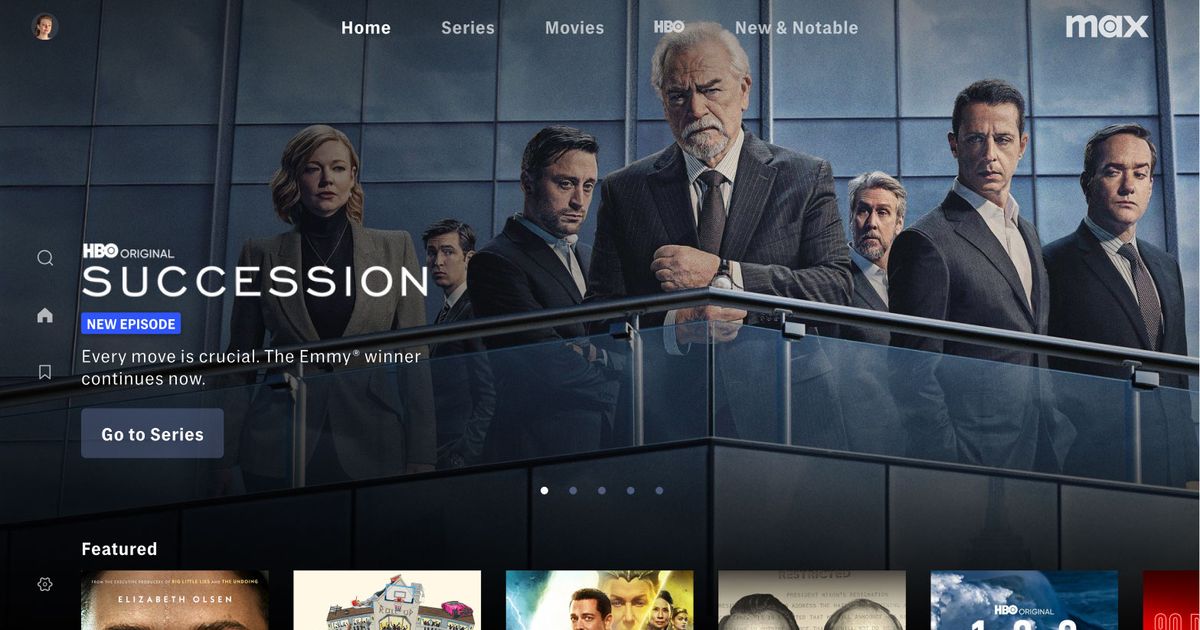
Warner Bros. Discovery (WBD) was formed through the merger of WarnerMedia and Discovery. It controls:
-
Warner Bros. Pictures
-
HBO
-
Max (formerly HBO Max)
-
CNN
-
Discovery Channel
-
TNT Sports
WBD has also been restructuring aggressively—cutting costs, consolidating streaming brands, and licensing content externally to boost profitability.
What Is Paramount’s Warner Bros Deal?
While details have evolved, the agreement between Paramount and Warner Bros primarily revolves around content licensing and distribution partnerships.
At its core, the deal includes:
-
Licensing of select Paramount content to Warner platforms
-
Strategic collaboration on distribution
-
Possible co-production or sports-related arrangements
-
Revenue-sharing agreements tied to streaming performance
Unlike a merger, this deal does not combine the companies. Instead, it reflects a broader industry trend: former competitors working together to reduce risk and increase cash flow.
Why This Deal Is So Important
1. The Streaming Wars Are Getting Expensive
The era of unlimited streaming budgets is over.
Services like Netflix, Disney+, and Max have spent billions on original programming. But subscriber growth has slowed. Investors now demand profitability instead of subscriber-at-all-costs expansion.
By licensing content between companies:
-
Studios reduce content risk
-
Libraries gain longer monetization windows
-
Platforms keep fresh content without overspending
For Paramount, licensing to Warner Bros means guaranteed revenue without needing to rely solely on Paramount+ subscriptions.
For Warner Bros, it strengthens its catalog without heavy production costs.
2. Sports Rights Could Be a Major Factor
Sports broadcasting is one of the most valuable assets in media. Paramount holds rights through CBS Sports, including:
-
NFL games
-
College sports
-
International soccer
Warner Bros. Discovery operates TNT Sports and other international sports networks.
If the Paramount–Warner partnership includes sports distribution collaboration, it could significantly affect future bidding wars for leagues such as:
-
NFL
-
NBA
-
UEFA competitions
In today’s media environment, sports content drives both:
-
Live viewership
-
Streaming subscriber retention
That makes this deal potentially transformative beyond just movies and TV shows.
The Bigger Trend: Licensing Is Back
Not long ago, studios pulled their content off competitors’ platforms to launch their own streaming services.
Now the pendulum is swinging back.
Why?
Because:
-
Content libraries are expensive to maintain
-
Debt levels are high across media companies
-
Wall Street favors cash flow stability
Warner Bros. Discovery has already licensed HBO content externally. Paramount doing similar deals signals a clear shift in strategy.
Instead of exclusivity at any cost, the focus is now balanced monetization.
Financial Impact on Both Companies
For Paramount
Paramount has been under pressure from investors due to:
-
Streaming losses
-
Market valuation decline
-
Debt obligations
A licensing agreement with Warner Bros provides:
-
Immediate revenue
-
Lower content risk
-
Better balance sheet flexibility
It also strengthens negotiating leverage in future partnerships.
For Warner Bros. Discovery
WBD has been focused on reducing billions in merger-related debt.
A content deal allows Warner Bros to:
-
Expand the Max streaming library
-
Increase subscriber retention
-
Avoid costly original production spending
It aligns perfectly with CEO David Zaslav’s cost-conscious strategy.
Could This Lead to a Merger?
Industry analysts have speculated about future consolidation in media.
While Paramount’s Warner Bros deal is not a merger, it raises an important question:
Could this partnership be a stepping stone toward deeper integration?
Regulatory scrutiny remains intense in the U.S. media sector. However, strategic partnerships often precede larger structural changes.
Given current industry pressures, nothing can be ruled out in the next 3–5 years.
Impact on Consumers
For viewers, this deal could mean:
-
More content variety on fewer apps
-
Shared distribution across platforms
-
Potential bundled subscription options
If licensing expands, audiences may see Paramount titles on Max or vice versa.
That could reduce “subscription fatigue,” where consumers feel overwhelmed by too many streaming services.
Impact on Investors
Investors should monitor:
-
Quarterly earnings reports
-
Streaming subscriber trends
-
Debt reduction progress
-
Advertising revenue stabilization
If the deal generates consistent licensing revenue, both companies could see:
-
Improved stock sentiment
-
Stronger free cash flow
-
Reduced volatility
Media stocks have been under pressure in recent years. Strategic alliances like this could restore confidence.
The Competitive Landscape
Let’s not forget the bigger players:
-
Netflix
-
Disney
-
Amazon
Each has massive content budgets and global reach.
By collaborating, Paramount and Warner Bros may be attempting to:
-
Compete more effectively
-
Share risk
-
Strengthen negotiating leverage
This strategy mirrors what we’ve seen in telecommunications and tech—cooperation among competitors to survive disruption.
What This Means for Hollywood
Hollywood is undergoing its most dramatic restructuring since the rise of cable television.
Key shifts include:
-
The decline of traditional cable bundles
-
The plateau of streaming growth
-
Increased importance of international markets
-
AI-driven production efficiencies
The Paramount–Warner deal represents a pragmatic adaptation to these realities.
Instead of fighting alone, studios are choosing collaboration where it makes financial sense.
Long-Term Outlook
Looking ahead, expect:
-
More cross-studio licensing deals
-
Strategic sports partnerships
-
Bundled streaming offers
-
Focus on profitability over subscriber count
-
Potential asset sales or spinoffs
The entertainment industry is no longer in growth-at-all-costs mode. It’s in sustainability mode.
Paramount’s Warner Bros deal is a prime example of this shift.
Final Thoughts: A New Era of Strategic Cooperation
The partnership between Paramount Global and Warner Bros. Discovery signals something bigger than a simple licensing arrangement.
It reflects:
-
A recalibration of streaming economics
-
A return to disciplined content spending
-
A recognition that scale alone isn’t enough
-
A move toward smarter collaboration
As Hollywood adapts to changing consumer habits and investor demands, deals like this may become the norm rather than the exception.
For media watchers, investors, and streaming subscribers alike, Paramount’s Warner Bros deal is one of the most significant entertainment stories of the year.