


The UK’s online retail market has just become more competitive. A fast-growing Chinese e-commerce platform widely seen as a challenger to Amazon has officially launched in the United Kingdom, aiming to shake up the digital shopping landscape with ultra-low prices, aggressive logistics expansion, and direct-from-factory products.
The company behind this ambitious expansion is JD.com, one of China’s largest online retailers and a major global competitor to Alibaba Group. Its arrival in the UK signals a new phase in the global battle for e-commerce dominance.
For British consumers already familiar with international shopping platforms like Temu and Shein, the entry of JD.com could bring even cheaper products, faster shipping, and a much broader range of items — from electronics and fashion to groceries and household goods.
But the move is about far more than cheap deals. It represents a significant shift in the global e-commerce industry and could reshape how millions of people across Britain shop online.
In this in-depth guide, we explore:
-
Why the Chinese retail giant chose the UK
-
How it plans to compete with Amazon
-
What it means for UK shoppers
-
The potential impact on British retailers
-
Whether the platform can truly challenge Amazon’s dominance
The Rise of Chinese E-Commerce Giants


China has become the world’s largest e-commerce market, and companies like JD.com and Alibaba Group have built enormous digital retail ecosystems serving hundreds of millions of customers.
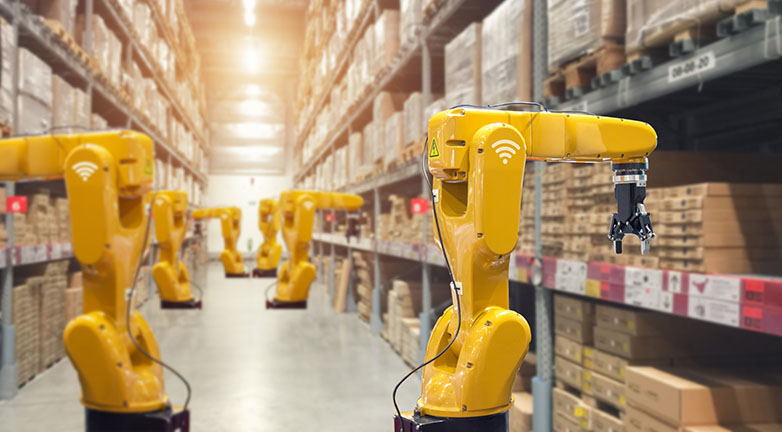
JD.com alone processes billions of orders every year and is known for its advanced logistics network, automated warehouses, and same-day delivery capabilities across China.
The company’s expansion beyond Asia has been gradual but strategic. After establishing operations across Southeast Asia and parts of Europe, the UK represents one of its most important Western market entries.
The British e-commerce sector is valued at more than £130 billion annually, making it one of the most lucrative online retail markets in the world.
For JD.com, entering the UK is not simply about selling products — it is about gaining a foothold in one of the most mature digital retail economies.
Why the UK Is a Key Target Market
There are several reasons the UK has become an attractive destination for global online retailers.
1. One of the World’s Most Advanced E-Commerce Markets
British consumers are among the most active online shoppers globally. According to industry data, more than 80% of UK internet users regularly purchase goods online.
The strong digital infrastructure, widespread mobile payments, and high consumer confidence make the UK an ideal test market for international retailers.
2. Gateway to Europe
Although the UK left the European Union after Brexit, the country still serves as a strategic base for companies looking to expand across Europe.
Large ports, global financial infrastructure, and established logistics networks allow companies like JD.com to distribute goods efficiently across multiple markets.
3. Rising Demand for Low-Cost Products
With inflation and cost-of-living pressures affecting millions of households, shoppers are increasingly searching for cheaper alternatives online.
Platforms offering factory-direct pricing have gained huge popularity in recent years.
Apps like Temu and Shein have grown rapidly in the UK by offering extremely low prices on clothing, electronics, and home goods.
JD.com hopes to capitalise on the same trend.
How the New Platform Plans to Compete with Amazon
For more than a decade, Amazon has dominated the UK e-commerce market.
Its advantages include:
-
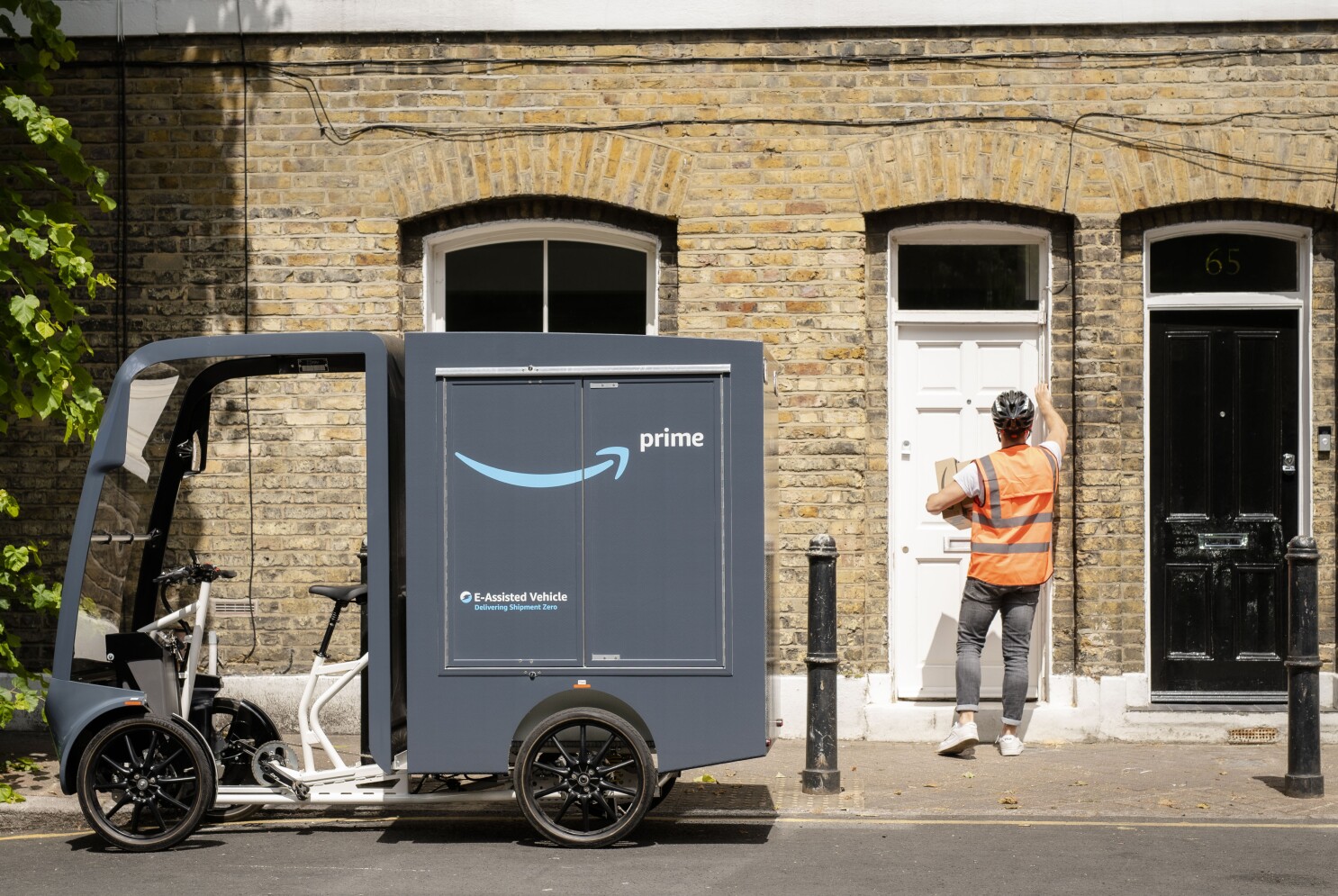
Massive logistics infrastructure
-
Fast delivery through Amazon Prime
-
A huge product catalog
-
Strong brand trust
However, JD.com believes it has several competitive advantages.
Direct-From-Factory Pricing
Unlike many Western marketplaces, JD.com has deep partnerships with Chinese manufacturers. This allows products to be sold directly from factories to consumers, cutting out middlemen.
As a result, prices can often be significantly lower than those on Amazon.
Advanced Logistics Technology
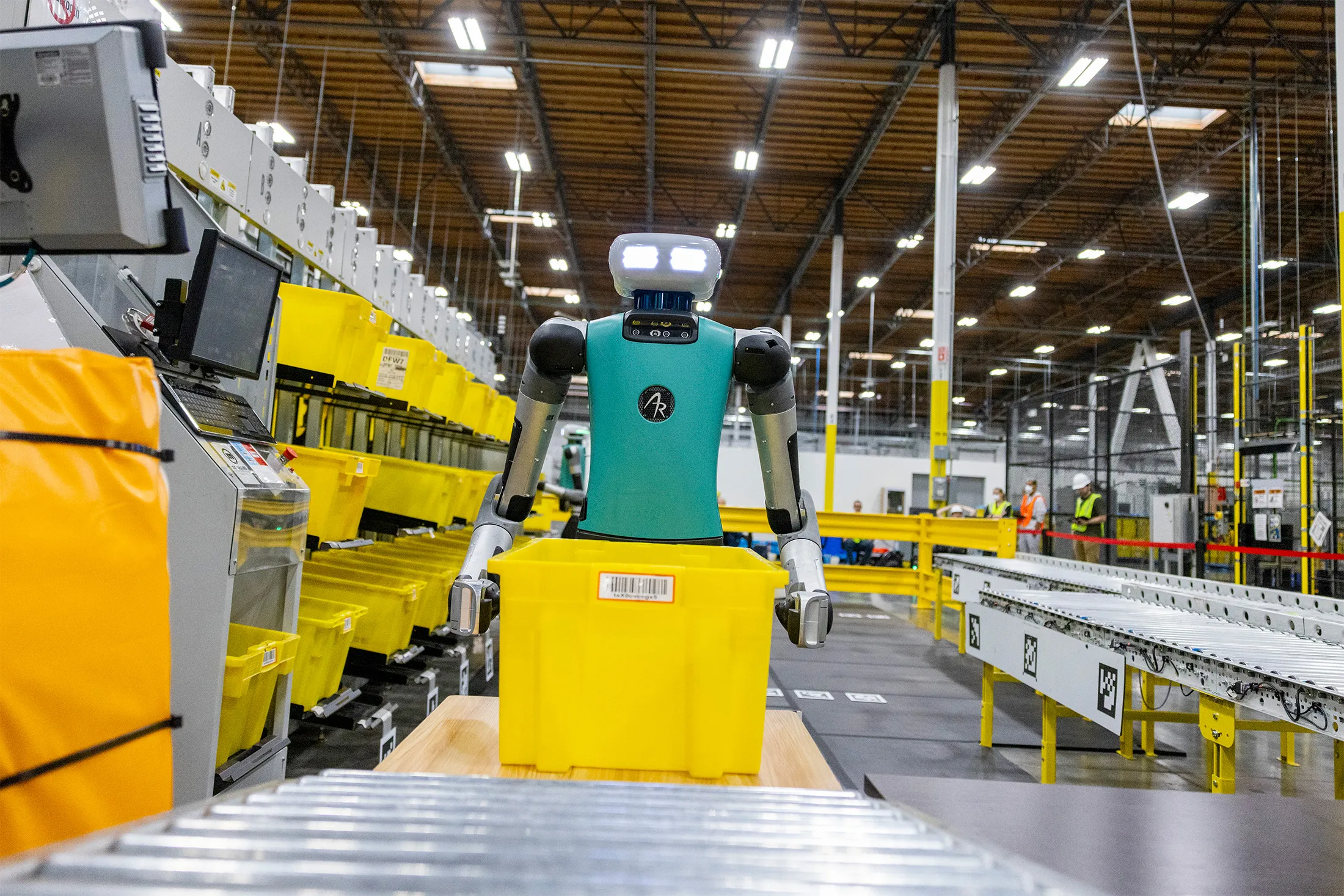
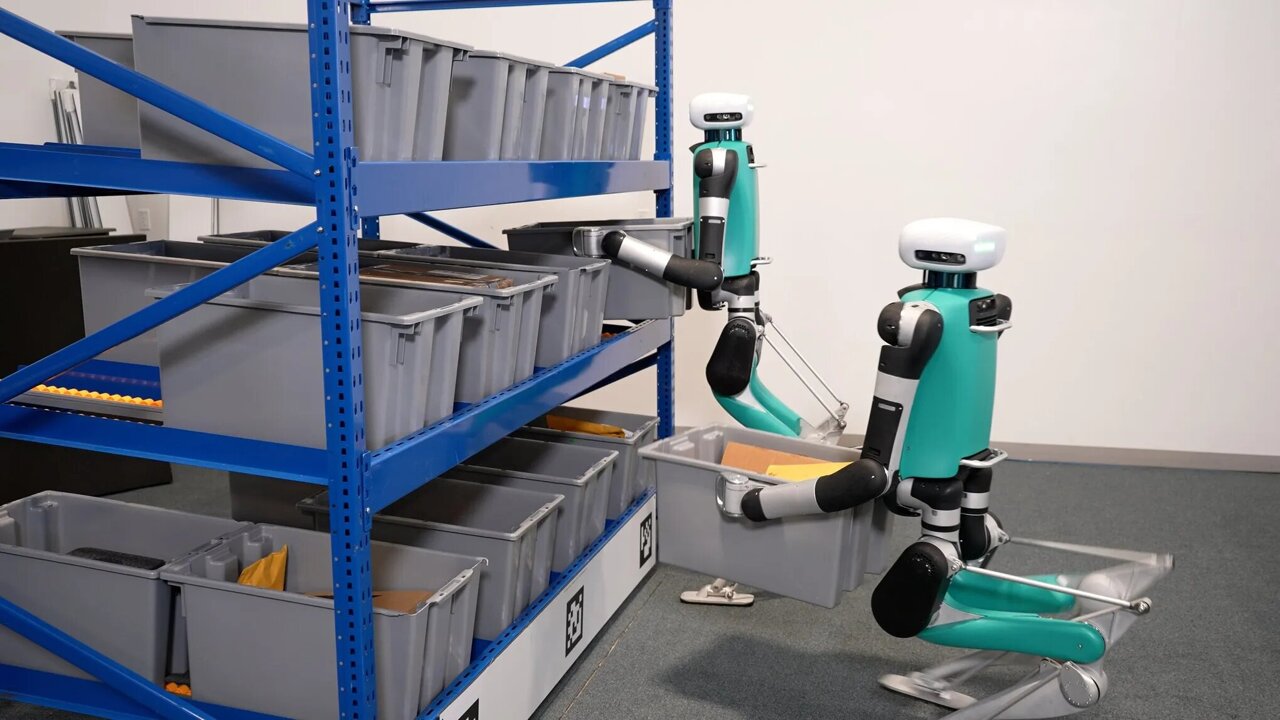
JD.com operates some of the most automated warehouses in the world, featuring robots, AI inventory systems, and drone delivery trials.
The company claims its logistics system can eventually support faster deliveries across the UK once infrastructure is established.
Authentic Product Verification
One criticism often directed at international marketplaces is the presence of counterfeit goods.
JD.com says it focuses heavily on supply-chain verification and quality control, which could help build trust among Western consumers.
What UK Consumers Can Expect
For British shoppers, the arrival of another major online marketplace could bring several noticeable changes.
Lower Prices
Competition almost always drives prices down.
With JD.com entering the market, retailers may need to offer more aggressive discounts and promotions to remain competitive.
More Product Choice
Chinese manufacturers produce a vast range of products across categories such as:
-
electronics
-
fashion
-
smart home devices
-
gadgets
-
home furniture
-
beauty products
Direct access to these manufacturers could dramatically expand the variety available to UK consumers.
New Shopping Apps
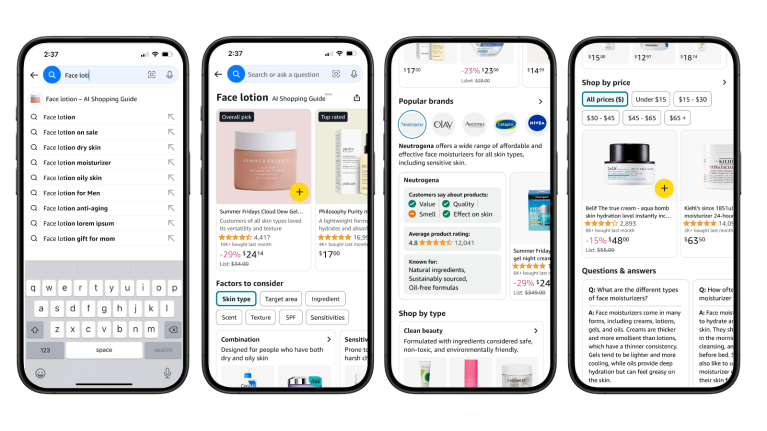
JD.com is expected to promote its platform through mobile apps, following the strategy used by competitors like Temu.
Gamified shopping experiences, discount coupons, and flash sales are likely to be part of the platform’s marketing approach.
Potential Impact on British Retailers
The entry of another global e-commerce giant could have mixed consequences for UK businesses.
Pressure on Prices
Local retailers may struggle to compete with ultra-low manufacturing costs from Chinese factories.
This has already been a major issue with platforms like Shein, which has disrupted traditional fashion retailers.
Increased Marketplace Opportunities
On the other hand, JD.com could also create new opportunities for UK brands to sell their products to Chinese consumers.
The company already operates cross-border marketplaces that allow international brands to reach China’s massive consumer base.
Logistics Partnerships
JD.com may also invest in UK logistics infrastructure, creating partnerships with local delivery companies and warehouses.
Such investments could generate jobs and stimulate economic activity.
Regulatory Challenges Ahead
Entering the UK market will not be without obstacles.
The company must comply with strict British consumer protection rules, product safety standards, and data protection laws.
One major regulation is UK General Data Protection Regulation, which governs how companies handle customer data.
There are also growing concerns about:
-
product safety standards
-
environmental impact of ultra-fast fashion
-
fair competition with domestic retailers
UK regulators have already investigated other international platforms over issues such as misleading discounts and supply chain transparency.
Can JD.com Really Challenge Amazon?


Despite its global strength, challenging Amazon in the UK will be extremely difficult.
Amazon’s advantages include:
-
Established brand loyalty
-
Extensive delivery network
-
Millions of third-party sellers
-
Prime subscription ecosystem
However, disruptive newcomers have succeeded before.
Companies like Temu have rapidly gained popularity through aggressive advertising and incredibly low prices.
If JD.com can combine competitive pricing with reliable delivery and product quality, it could gradually capture a meaningful share of the UK market.
The Growing Battle for Global E-Commerce Dominance
The global online retail industry is entering a new era of competition.
Several major players are fighting for dominance:
-
Amazon – the dominant Western e-commerce giant
-
Alibaba Group – China’s largest online marketplace operator
-
JD.com – logistics-focused e-commerce powerhouse
-
PDD Holdings – owner of the fast-growing Temu platform
Each company is experimenting with different strategies, including:
-
cross-border shopping
-
ultra-fast delivery
-
direct-to-factory pricing
-
AI-driven logistics
The UK has become one of the key battlegrounds in this competition.
What This Means for the Future of Online Shopping
For consumers, the arrival of a new major online retailer could signal a golden age of digital shopping.
Benefits could include:
-
cheaper products
-
faster delivery
-
greater variety
-
more competitive deals
However, the rapid growth of global online marketplaces also raises questions about sustainability, labour standards, and the survival of local retailers.
Governments and regulators may increasingly step in to balance innovation with consumer protection.
Final Thoughts
The launch of JD.com in the UK marks a significant moment in the evolution of global e-commerce.
With its advanced logistics technology, direct factory relationships, and aggressive pricing strategy, the Chinese retail giant has the potential to disrupt the British online shopping market.
Whether it can truly challenge the dominance of Amazon remains to be seen.
But one thing is certain: competition is about to intensify — and for millions of UK shoppers, that could mean better deals, more choice, and a completely new way to shop online.
As the global retail landscape continues to evolve, the UK will likely remain one of the most important battlegrounds in the race for e-commerce supremacy.