


The global spotlight has turned sharply toward the Middle East as U.S. President Donald Trump signals a possible “winding down” of the Iran war, even as American and allied forces continue launching strikes across the region. The contradiction—talk of de-escalation alongside intensified military operations—has sparked confusion, debate, and deep concern among global leaders, markets, and civilians alike.
This evolving crisis is not just another geopolitical flashpoint. It is a high-stakes conflict with far-reaching consequences: oil prices surging, global supply chains disrupted, thousands of lives lost, and the risk of broader escalation looming large.
Trump Signals a Shift: “Winding Down” the War
President Donald Trump has indicated that the United States may be nearing the end of its military campaign against Iran. In a statement shared publicly, he suggested that U.S. objectives are “very close” to being achieved, raising the possibility of scaling back operations.
This marks the first strong signal from the White House that the conflict—now entering its fourth week—could soon transition into a new phase.
However, the messaging remains inconsistent.
- Trump has rejected calls for a ceasefire, arguing that such a move would be premature while the U.S. maintains a strategic advantage.
- At the same time, he claims that Iran’s military capabilities have been significantly degraded, suggesting a sense of victory.
This dual narrative—“we’re winning” vs. “we’re winding down”—is shaping both domestic political discourse and international reactions.
War Still Intensifying on the Ground
Despite the rhetoric about winding down, the reality on the battlefield tells a different story.


Key Developments:
- The U.S. has conducted thousands of strikes on Iranian targets, with over 7,000 reported hits so far.
- Military operations have expanded into the Strait of Hormuz, targeting Iranian naval assets to reopen vital shipping routes.
- Additional troops, warships, and aircraft have been deployed to the region, signaling continued escalation.
The contradiction is stark: even as the White House discusses winding down the war, the Pentagon is actively expanding its operational footprint.
The Strait of Hormuz Crisis: A Global Flashpoint
At the heart of the conflict lies the Strait of Hormuz, one of the world’s most critical oil transit chokepoints.
- Roughly 20% of global oil supply passes through this narrow waterway.
- Iran’s decision to close or restrict access has triggered a global energy crisis.
- The U.S. military has launched a major campaign to reopen and secure the route.
This has transformed the conflict from a regional war into a global economic emergency.
Oil prices have surged dramatically, with benchmarks climbing above $100 per barrel, putting pressure on governments and consumers worldwide.
Economic Shockwaves: Oil, Inflation, and Market Panic
The economic fallout from the Iran war is already being felt across continents.
Key Impacts:
- Oil prices have risen by over 50% since the conflict began.
- Gasoline prices are climbing, especially in Western economies.
- Supply chains are under stress due to disrupted shipping routes.
In response, the Trump administration has taken controversial steps, including:
- Temporarily lifting sanctions on Iranian oil shipments to increase global supply
- Considering further releases from strategic reserves
- Relaxing shipping regulations to ease logistics bottlenecks
These measures highlight the paradox of the current strategy: fighting Iran militarily while simultaneously relying on its oil to stabilize markets.
Human Cost: Rising Casualties and Displacement
Behind the headlines and policy decisions lies a growing humanitarian crisis.
- More than 1,300 people have been killed in Iran, with additional casualties in Lebanon, Israel, and among U.S. forces.
- Millions have been displaced across the region.
- Civilian infrastructure continues to be damaged by ongoing strikes.
Religious leaders, including senior figures from the Vatican, have called for an immediate end to the violence, warning of long-term consequences for global peace.
Internal Contradictions in U.S. Strategy
One of the most striking aspects of the conflict is the apparent lack of alignment within the U.S. administration.
On One Side:
- Trump suggests the war may soon end
- Claims U.S. objectives are nearly achieved
On the Other:
- Defense officials say there is no clear timeline for ending the war
- The Pentagon is reportedly seeking billions in additional funding
- Military operations are intensifying rather than slowing
This divergence raises key questions:
- Is the “winding down” narrative political messaging?
- Or is it a genuine signal of imminent de-escalation?
NATO Tensions and Global Divisions
The war has also exposed deep fractures among Western allies.
President Trump has openly criticized NATO members, accusing them of failing to support U.S. efforts.
Meanwhile:
- European leaders have called for de-escalation and diplomacy
- Many countries have refused direct military involvement
- Support is conditional on a ceasefire or end to hostilities
This lack of unity has complicated the geopolitical landscape, potentially weakening Western influence in the region.
Iran’s Response: Escalation Beyond Borders
Iran has not remained passive.

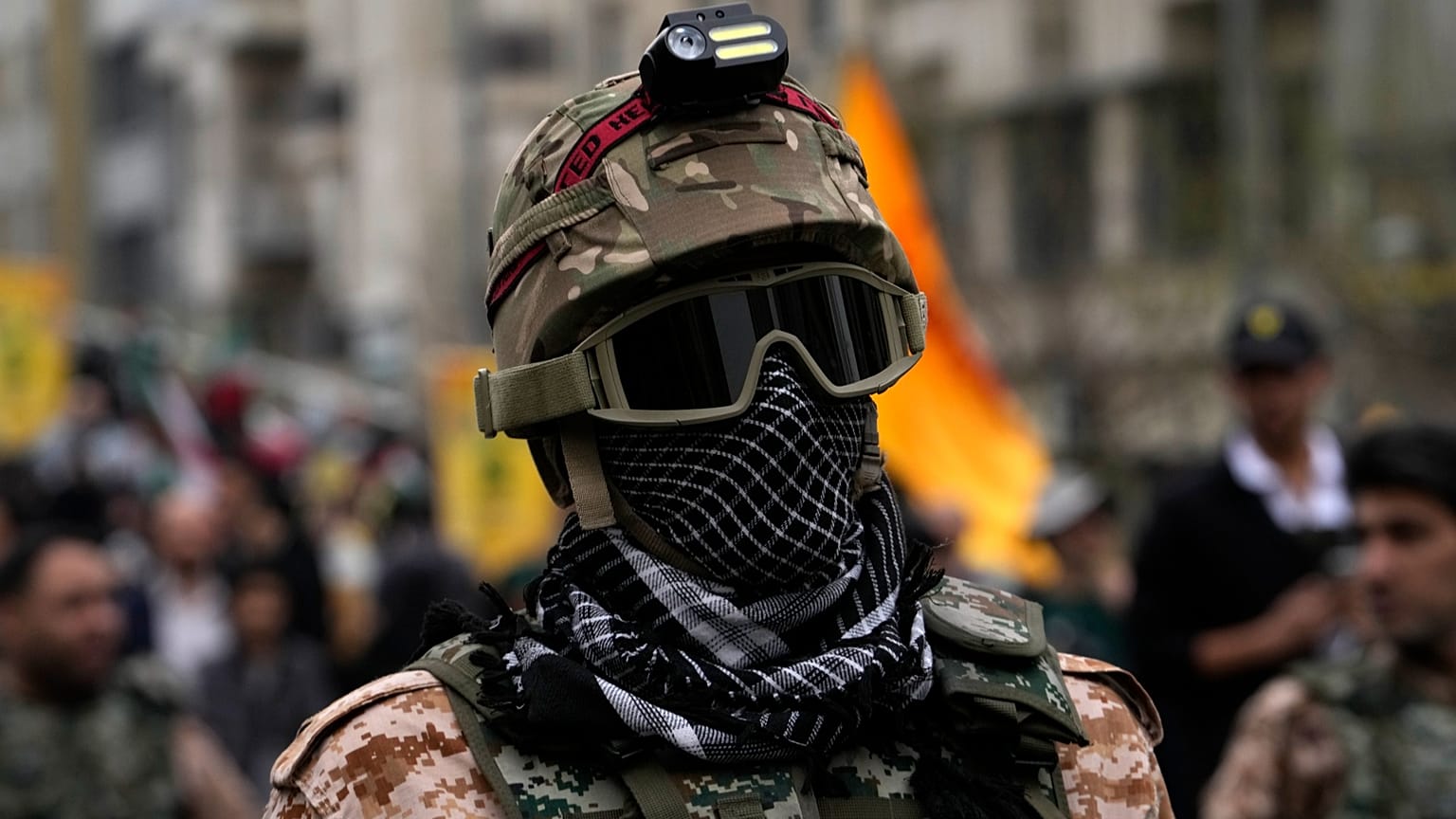
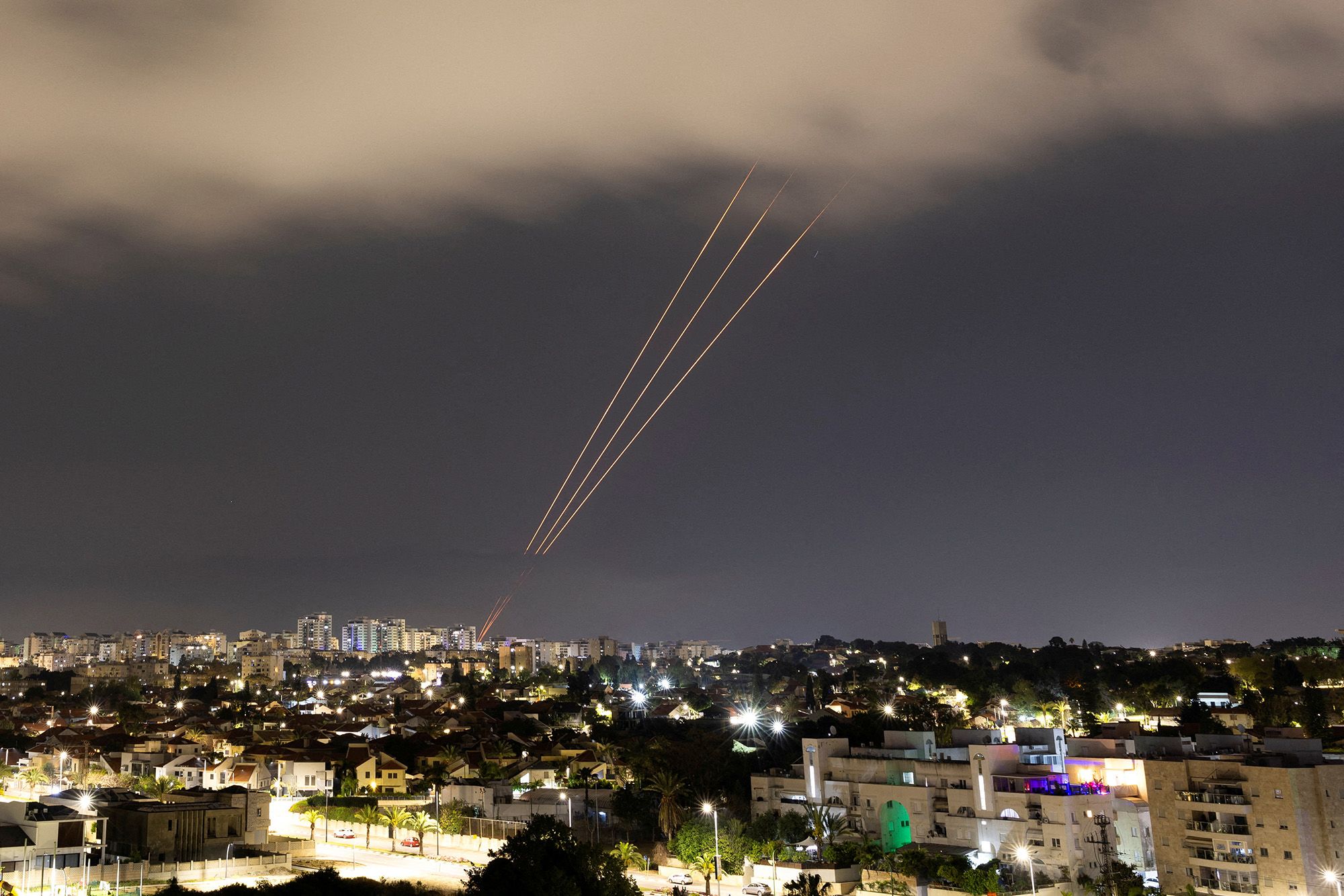
Iranian Actions:
- Missile strikes targeting Israel
- Drone attacks on regional infrastructure
- Threats to expand attacks globally, including civilian sites
Internally, Iran’s security apparatus—particularly the Basij militia—remains active and resilient despite targeted strikes.
The risk of escalation beyond the Middle East remains a major concern for intelligence agencies worldwide.
Why Trump May Be Considering a “Wind Down”
Several factors could explain the shift in tone from the White House:
1. Military Objectives Near Completion
Trump has repeatedly claimed that U.S. forces have significantly weakened Iran’s military capabilities.
2. Economic Pressure
Rising oil prices and inflation are impacting American consumers and global markets.
3. Political Considerations
With domestic approval ratings under pressure, ending the war could provide a political boost.
4. International Pressure
Allies and global institutions are urging de-escalation.
The Reality: War Without a Clear Endgame
Despite talk of winding down, the war lacks a clearly defined endpoint.
- No formal negotiations have been announced
- Iran has not indicated willingness to concede
- Military operations continue at scale
This raises the possibility of a prolonged conflict with intermittent escalation, rather than a clean resolution.
What Happens Next?
Several scenarios could unfold in the coming weeks:
Scenario 1: Gradual De-escalation
- U.S. reduces strikes
- Diplomatic channels reopen
- Oil markets stabilize
Scenario 2: Continued Conflict
- Military operations persist
- Economic pressure intensifies
- Regional instability grows
Scenario 3: Wider War
- Additional countries become involved
- Conflict spreads beyond the Middle East
- Global crisis deepens
At present, the situation remains highly fluid.
Conclusion: A Turning Point or Tactical Messaging?
Trump’s suggestion that the U.S. may be “winding down” the Iran war could signal a turning point—or simply reflect strategic messaging amid ongoing operations.
The facts on the ground paint a complex picture:
- Strikes продолжаe
- Troop deployments increase
- Global tensions remain high
Yet, the possibility of de-escalation offers a glimmer of hope in an otherwise volatile situation.
For now, the world watches closely as events unfold—aware that the decisions made in the coming days could shape the future of global security, energy markets, and international relations for years to come.