


The idea that a NATO ally would prepare to destroy its own infrastructure to stop another NATO member sounds like fiction. Yet in early 2026, that is exactly what Denmark reportedly planned for Greenland.
According to multiple reports, Danish authorities quietly deployed troops, explosives, and even medical supplies to Greenland—readying for a worst-case scenario in which the United States might attempt to seize the Arctic territory under then-President Donald Trump.
This extraordinary development has shocked global observers, raised questions about NATO unity, and highlighted the growing geopolitical importance of the Arctic.
A Secret Plan to Destroy Runways

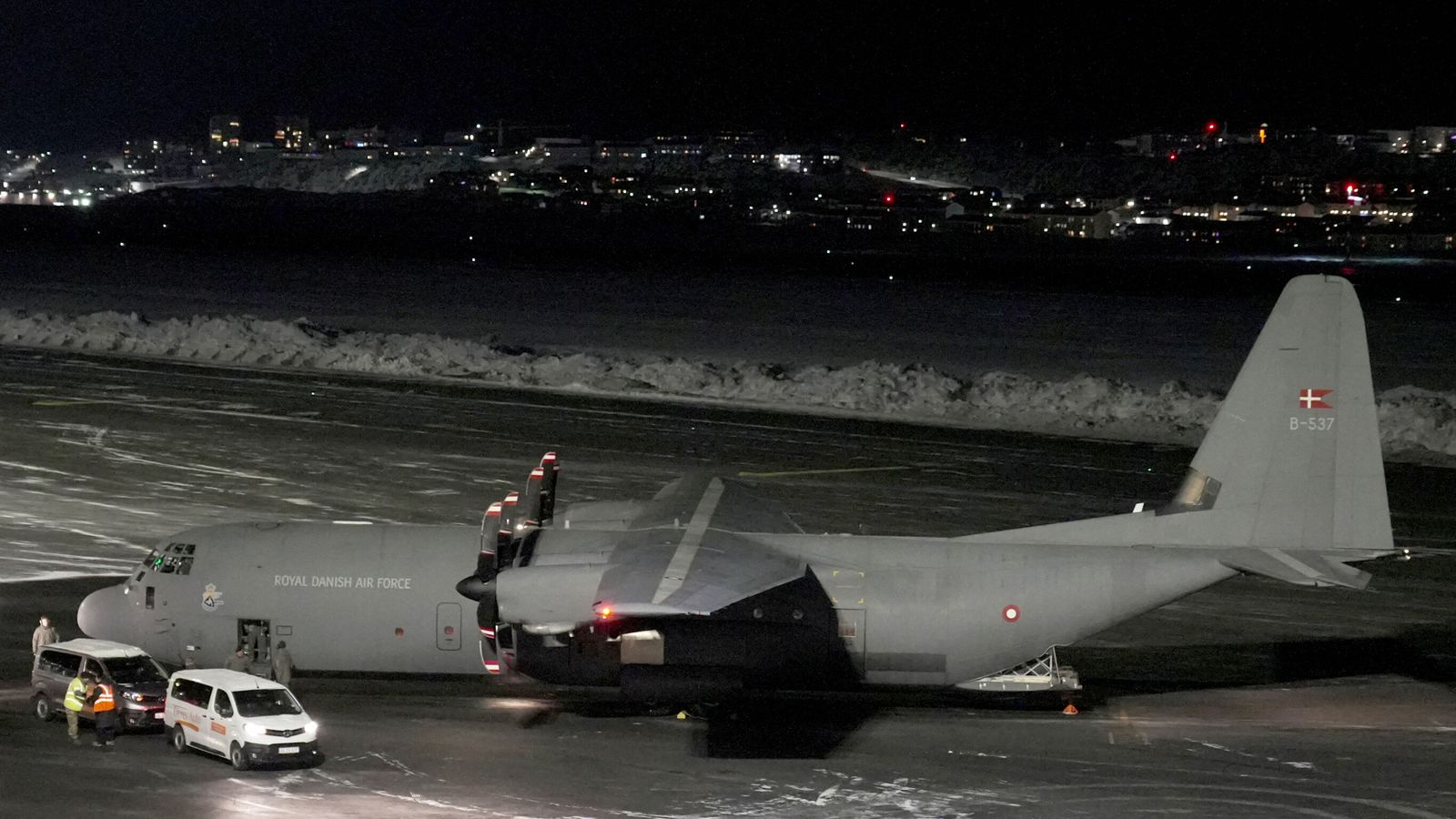
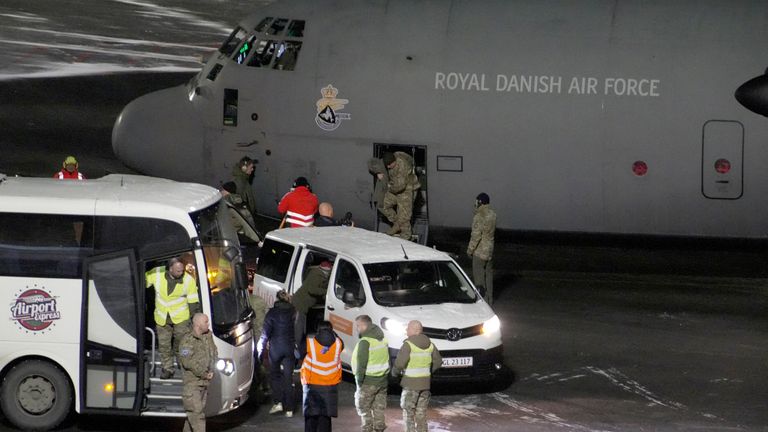
At the centre of the story lies a stark military contingency plan: if the United States attempted to invade Greenland, Denmark would blow up key runways to prevent American aircraft from landing.
Reports indicate that:
-
Danish troops were deployed to Greenland with explosives pre-positioned near major airstrips
-
Primary targets included runways in Nuuk and Kangerlussuaq
-
The aim was to deny US forces the ability to rapidly deploy troops and equipment
These preparations were not symbolic. They were operational.
Danish broadcaster DR, cited widely across international media, reported that the explosives were intended to physically disable Greenland’s aviation infrastructure if necessary.
This move reflects a classic military strategy: deny the enemy access points. In Greenland’s harsh terrain, airfields are lifelines. Without them, any invasion becomes vastly more difficult.
Why Greenland Matters So Much


To understand why tensions escalated this far, you need to understand Greenland’s importance.
Greenland is not just a remote icy island. It is:
1. A Strategic Military Hub
The island sits between North America and Europe, making it a crucial location for:
-
Missile warning systems
-
Arctic surveillance
-
Military logistics
The US already operates a base at Pituffik (formerly Thule Air Base), underscoring its importance.
2. Rich in Natural Resources
Greenland holds:
-
Rare earth minerals
-
Oil and gas reserves
-
Untapped mining potential
These resources are increasingly valuable in a world shifting toward green energy and advanced technology.
3. Gateway to Arctic Shipping
As ice melts, new shipping routes are opening across the Arctic, potentially reshaping global trade.
Trump’s Greenland Ambitions
The roots of the crisis go back years.
Donald Trump first floated the idea of acquiring Greenland during his presidency, but the issue escalated dramatically after his return to power.
By late 2025 and early 2026:
-
Trump reportedly refused to rule out military force to acquire Greenland
-
He framed control of the island as a national security necessity
-
Trade threats and political pressure were also used against Denmark
These statements triggered alarm across Europe.
For Denmark, Greenland is not just territory—it is part of the Kingdom of Denmark, with its own self-governing system. Any attempt to seize it would effectively be an act of war.
Operation Arctic Endurance: Preparing for the Worst


Denmark’s response wasn’t limited to explosives.
It formed part of a broader military effort known as Operation Arctic Endurance, a large-scale deployment designed to deter aggression.
Key elements included:
-
Danish special forces stationed in Greenland
-
Support from European allies like France and Germany
-
Deployment of aircraft, naval assets, and logistics units
-
A coordinated multinational presence to signal unity
The operation was publicly framed as a military exercise—but behind the scenes, it had a clear defensive objective.
According to reports, the presence of European forces was meant to raise the cost of any unilateral US action.
Blood Supplies and War Readiness
One of the most chilling aspects of the plan was the preparation for casualties.
Danish military aircraft reportedly transported:
-
Blood supplies
-
Medical equipment
-
Emergency support resources
These were intended to treat wounded personnel in case of conflict.
This detail underscores how seriously Denmark took the threat.
This was not just political posturing—it was full-spectrum war readiness.
A NATO Crisis in the Making


Perhaps the most alarming aspect of the situation is what it means for NATO.
NATO is built on mutual defence—members are supposed to protect each other, not prepare for conflict against one another.
Yet in this case:
-
Denmark, a NATO member, prepared to defend itself against the US, another NATO member
-
European allies backed Denmark
-
The crisis exposed deep fractures in transatlantic relations
Danish Prime Minister Mette Frederiksen reportedly described the situation as one of the most serious foreign policy crises since World War II.
How Close Did It Get to Conflict?
While tensions escalated dramatically, a full-blown conflict was ultimately avoided.
Key developments included:
-
Diplomatic intervention by NATO leadership
-
Backchannel negotiations between the US and Denmark
-
A shift in rhetoric from Washington
By January 2026, Trump signalled that he would not pursue military action, easing immediate fears.
However, the episode left lasting damage.
Greenland’s Perspective



Lost in much of the geopolitical discussion is the voice of Greenland itself.
Greenland is:
-
A self-governing territory
-
Home to around 56,000 people
-
Increasingly vocal about independence
Greenlandic leaders have made it clear:
-
The island is not for sale
-
Its future should be decided by its people
-
External pressure—whether economic or military—is unwelcome
Public protests under the banner “Hands off Greenland” reflected widespread opposition to US ambitions.
Why Denmark Considered Such an Extreme Measure
Destroying your own infrastructure is a last resort.
So why was Denmark willing to go that far?
1. Geography Leaves Few Options
Greenland’s limited infrastructure means:
-
Few runways
-
Limited ports
-
Harsh terrain
Control of airstrips equals control of access.
2. Military Imbalance
Denmark cannot match US military power directly.
Instead, it focused on asymmetric defence strategies, such as:
-
Denial tactics (destroying infrastructure)
-
International alliances
-
Strategic deterrence
3. Signal of Resolve
By preparing such drastic measures, Denmark sent a clear message:
Any attempt to seize Greenland would be met with resistance.
European Unity Against the Threat
One of the most significant outcomes of the crisis was European alignment.
Countries including:
-
France
-
Germany
-
Norway
-
Sweden
all supported Denmark in various ways.
This marked a rare moment of unified European defence posture against potential US action.
It also raised broader questions about:
-
Europe’s strategic independence
-
The future of NATO
-
The balance of power in the Arctic
The Arctic: A New Geopolitical Battleground
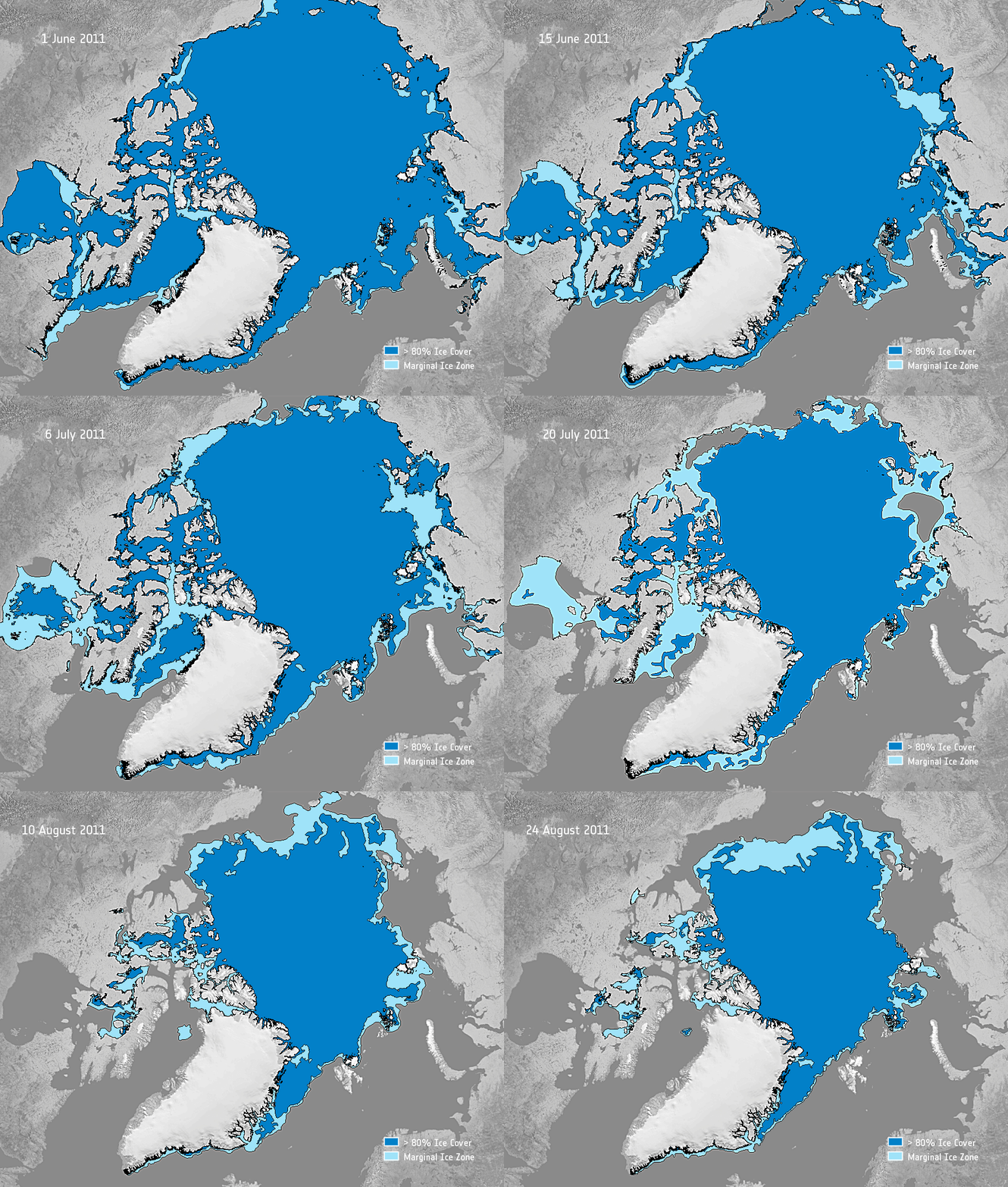


The Greenland crisis is part of a bigger story: the race for the Arctic.
Major powers—including:
-
The United States
-
Russia
-
China
-
European nations
are increasingly focused on the region.
Why?
-
Melting ice is opening new routes
-
Resources are becoming accessible
-
Military positioning is critical
Greenland sits at the centre of this evolving contest.
Long-Term Consequences
Even though immediate conflict was avoided, the implications are profound.
1. Trust Between Allies Has Been Damaged
The idea that Denmark had to prepare for a US invasion has shaken confidence in alliances.
2. NATO Faces Unprecedented Questions
Can NATO function if internal trust erodes?
3. Arctic Tensions Will Continue
Greenland will remain a focal point of global competition.
4. Denmark’s Defence Strategy Has Changed
The country is now more focused on:
-
Arctic security
-
European cooperation
-
Rapid response capabilities
Media, Secrecy, and Public Reaction
The revelations only came to light months later, largely through investigative reporting.
This raises important questions:
-
How many similar contingency plans exist globally?
-
How transparent should governments be in times of crisis?
-
What role does media play in exposing military strategies?
Public reaction has ranged from shock to concern to renewed debate about global security.
Final Thoughts
The revelation that Denmark prepared to blow up Greenland’s runways to stop a potential US invasion is more than a headline—it’s a window into a rapidly changing world.
It shows:
-
How fragile alliances can become
-
How strategic territories like Greenland are reshaping geopolitics
-
How quickly tensions can escalate, even among allies
Most importantly, it underscores a simple truth:
In today’s geopolitical landscape, even the unthinkable must be planned for.
FAQs
Why would Denmark destroy its own runways?
To prevent US military aircraft from landing and deploying troops, making an invasion significantly harder.
Did the US actually invade Greenland?
No. The situation de-escalated after diplomatic efforts and a shift in US policy.
Why does the US want Greenland?
For its strategic location, military value, and natural resources.
Is Greenland independent?
Not fully. It is a self-governing territory within the Kingdom of Denmark.