


The Strait of Hormuz has once again become the focal point of global security concerns. In a recent statement, UK Foreign Secretary David Miliband said Britain is “looking at all options” to help secure the strategically vital waterway amid escalating tensions in the Middle East. His comments underscore growing international alarm over disruptions to one of the world’s most important shipping routes.
The narrow channel linking the Persian Gulf to the Gulf of Oman carries roughly a fifth of the world’s oil supply. Any threat to shipping through the strait has immediate implications for global energy markets, inflation, and geopolitical stability.
As tensions rise involving Iran and Western powers including the United States and the United Kingdom, governments are now considering military, diplomatic, and technological measures to ensure safe passage for international shipping.
This article explores why the Strait of Hormuz matters, what options the UK might consider, and how the situation could impact the global economy.
Why the Strait of Hormuz Is One of the World’s Most Important Waterways


The Strait of Hormuz is often described as the most strategically important choke point in global energy trade. The strait is only about 21 miles (33 km) wide at its narrowest point, yet it serves as the primary route for oil exports from major Gulf producers.
Countries relying on the strait include:
-
Saudi Arabia
-
United Arab Emirates
-
Kuwait
-
Iraq
-
Qatar
Every day, millions of barrels of crude oil and liquefied natural gas (LNG) pass through the strait, destined for markets in Europe, Asia, and North America.
For global markets, the strait’s importance cannot be overstated. Any disruption could:
-
Spike oil prices
-
Trigger inflation worldwide
-
Disrupt shipping and supply chains
-
Escalate military tensions
Because of these risks, Western governments have long maintained naval patrols in the region.
Miliband’s Warning: UK Considering “All Options”
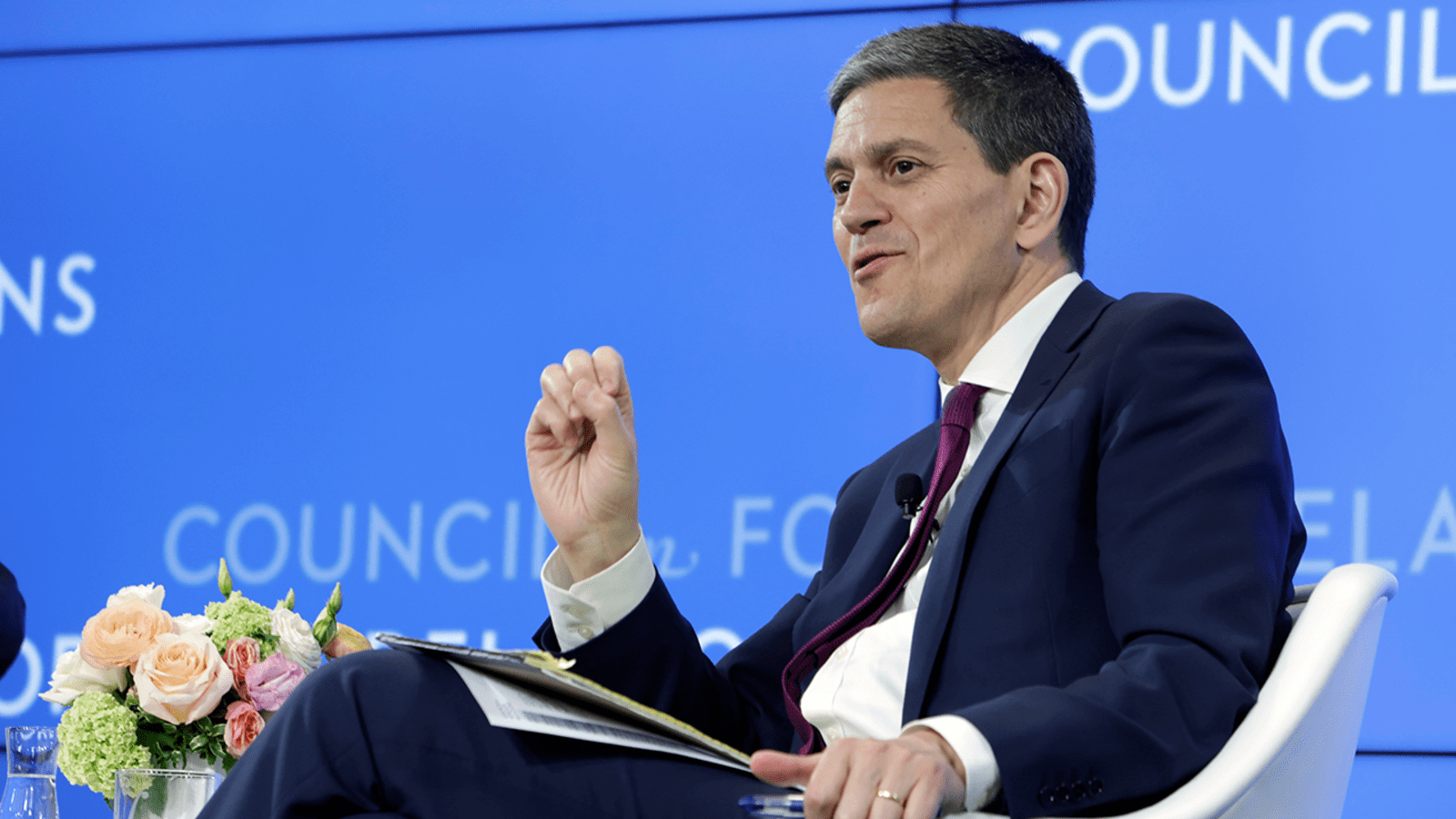


Speaking during a recent briefing, David Miliband said the UK government is examining a full range of responses to maintain safe navigation in the Strait of Hormuz.
These options could include:
-
Increased naval deployments
-
Joint security patrols with allies
-
Mine-clearing operations
-
Diplomatic negotiations with regional actors
-
International maritime security coalitions
Miliband emphasized that Britain’s priority is to protect international shipping and prevent further escalation.
“We are looking at all options with our partners to ensure that freedom of navigation is maintained,” he said.
The statement reflects growing concern in London that disruptions could affect not only global markets but also Britain’s energy security.
Rising Tensions in the Persian Gulf

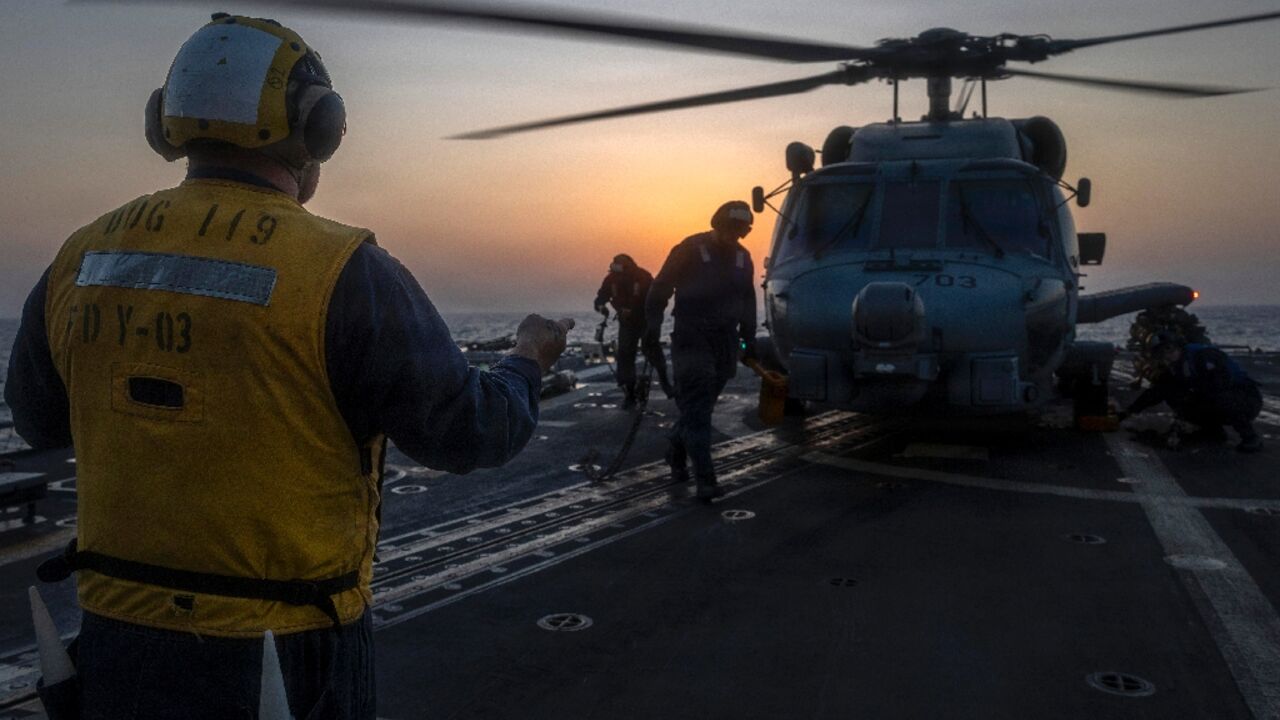
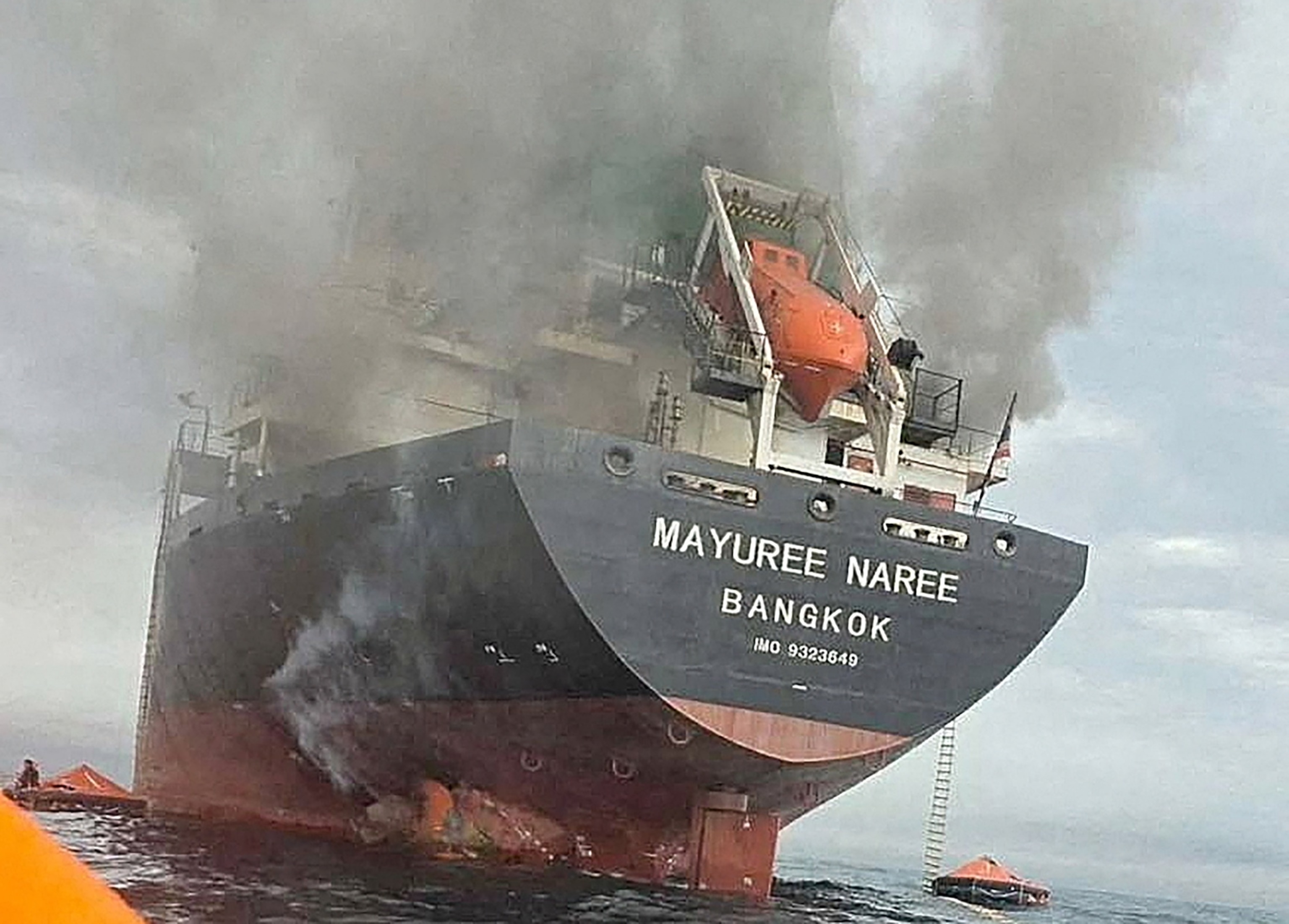
The Persian Gulf has experienced repeated security incidents over the past decade. Tensions between Iran and Western nations have often played out in the waters surrounding the Strait of Hormuz.
Some of the most common incidents include:
-
Seizure of oil tankers
-
Naval confrontations
-
Drone and missile threats
-
Maritime mines targeting shipping lanes
Iran has periodically threatened to close the Strait of Hormuz in response to Western sanctions.
Such a move would be extremely difficult to enforce completely, but even partial disruptions could cause major economic shockwaves.
Britain’s Strategic Role in the Region
The United Kingdom has long played a role in maritime security in the Middle East. The Royal Navy maintains a permanent presence in the Gulf, often operating alongside the United States and other allies.
One key hub is the UK naval facility in Bahrain, which supports regional operations.
British forces regularly conduct:
-
Anti-mine operations
-
Escort missions for commercial vessels
-
Intelligence surveillance
-
Maritime security patrols
These activities are designed to ensure the free flow of global trade through the strait.
Potential Military Measures the UK Could Deploy
If tensions escalate further, the UK may consider several operational responses.
1. Naval Escorts
Royal Navy warships could escort oil tankers through high-risk areas. This tactic has been used before during previous Gulf crises.
2. Mine Countermeasure Operations
Naval mines are one of the biggest threats to shipping in narrow waterways like the Strait of Hormuz.
Britain operates some of the world’s most advanced minehunter vessels and underwater drones, which can detect and neutralize mines without putting crews at risk.
3. Multinational Maritime Coalitions
The UK could participate in international task forces designed to protect shipping.
In recent years, operations led by the NATO and the Combined Maritime Forces have coordinated patrols in the region.
Diplomatic Efforts to Avoid Escalation
Military action is only one part of the strategy.
Britain is also pursuing diplomatic solutions to reduce tensions with Iran and other regional powers.
Negotiations involving the United Nations and European governments aim to:
-
Prevent miscalculation
-
De-escalate military confrontations
-
Maintain open shipping lanes
Diplomacy remains essential because a direct conflict in the region could quickly spiral into a broader crisis.
The Global Economic Impact of Hormuz Disruption
If the Strait of Hormuz were blocked or severely disrupted, the effects would be felt worldwide.
Oil Prices Could Surge
Energy analysts warn that oil prices could jump dramatically if shipments through the strait were interrupted.
A sudden supply shock might push crude oil prices above $150 per barrel, depending on the scale of disruption.
Inflation Pressures
Higher energy costs would quickly feed into:
-
Transportation prices
-
Manufacturing costs
-
Consumer goods
This phenomenon has already been referred to by some economists as “Hormuz inflation.”
Impact on Europe and the UK
Although Britain imports less oil from the Gulf than Asian economies, global price increases would still affect UK consumers.
Higher fuel costs could impact:
-
Petrol prices
-
Food supply chains
-
Airline tickets
-
Heating bills
Why Asia Is Especially Vulnerable
While Western economies would feel the effects, Asia is particularly exposed to any disruption in the Strait of Hormuz.
Countries heavily dependent on Gulf energy exports include:
-
China
-
India
-
Japan
-
South Korea
For these economies, the strait is a critical energy lifeline.
Even a temporary blockade could trigger shortages and industrial disruption.
The Risk of a Wider Regional Conflict
Security experts warn that the Strait of Hormuz crisis could escalate beyond maritime tensions.
Potential risks include:
-
Missile strikes on energy infrastructure
-
Naval clashes between regional forces
-
Cyber attacks targeting energy companies
-
Proxy conflicts across the Middle East
Any such escalation could destabilize global markets.
The Role of the United States
The United States remains the dominant military power in the Persian Gulf.
The U.S. Navy’s Fifth Fleet, headquartered in Bahrain, regularly patrols the Strait of Hormuz.
American forces operate:
-
Aircraft carriers
-
Guided missile destroyers
-
Surveillance drones
-
Anti-mine vessels
The UK frequently coordinates operations with U.S. forces.
Energy Security and the Future of Global Shipping
The ongoing tensions highlight the vulnerability of global energy infrastructure.
Even as renewable energy expands, the world still relies heavily on oil and gas transported through strategic maritime routes.
Governments are exploring ways to reduce this vulnerability, including:
-
Diversifying energy supplies
-
Expanding pipeline infrastructure
-
Investing in renewable energy
-
Increasing strategic petroleum reserves
However, these long-term solutions cannot eliminate the importance of the Strait of Hormuz in the near future.
How Shipping Companies Are Responding
Shipping companies and insurers closely monitor the security situation in the Gulf.
When tensions rise, they may:
-
Reroute vessels
-
Increase insurance premiums
-
Require naval escorts
-
Delay shipments
These measures can raise shipping costs and disrupt supply chains worldwide.
The Importance of International Cooperation
The challenge of protecting the Strait of Hormuz cannot be solved by one country alone.
It requires coordinated action from multiple nations.
Allies including:
-
France
-
Germany
-
Australia
have participated in maritime security operations in the region.
Such cooperation helps ensure that global trade continues despite geopolitical tensions.
What Happens Next?
As tensions continue to simmer, the United Kingdom and its allies face difficult decisions.
They must balance:
-
Protecting international shipping
-
Avoiding military escalation
-
Maintaining diplomatic engagement with Iran
The statement from David Miliband that Britain is “looking at all options” signals that policymakers are preparing for multiple scenarios.
Conclusion
The Strait of Hormuz remains one of the most strategically important waterways in the world. With a significant portion of global energy supplies passing through the narrow channel, any disruption has immediate global consequences.
Britain’s willingness to consider a wide range of security measures reflects the seriousness of the current situation. From naval deployments to diplomatic negotiations, the UK and its allies are working to ensure that shipping lanes remain open.
As tensions involving Iran and Western powers continue to evolve, the security of the Strait of Hormuz will remain a critical issue for global stability, energy markets, and international diplomacy.
Whether through diplomacy, military cooperation, or technological innovation, the coming months will determine how the international community safeguards one of the world’s most vital trade routes.