


The entertainment world has been shaken by the news that John Alford, best known for his role in the iconic British television drama London’s Burning, has died while serving time in prison. The former actor and singer, once celebrated as a rising star of British television, experienced a life filled with both remarkable success and deeply troubling controversy.
For many viewers in the United Kingdom, Alford’s portrayal of firefighter Billy Ray in the long-running ITV series made him a familiar face during the 1990s. However, his career and personal life were overshadowed by serious criminal convictions that ultimately led to his incarceration.
His death in custody marks a tragic end to a story that once held promise, fame, and opportunity.
In this comprehensive report, we examine John Alford’s life, career, controversies, and the circumstances surrounding his death, while reflecting on the cultural impact he once had on British television.
Who Was John Alford?

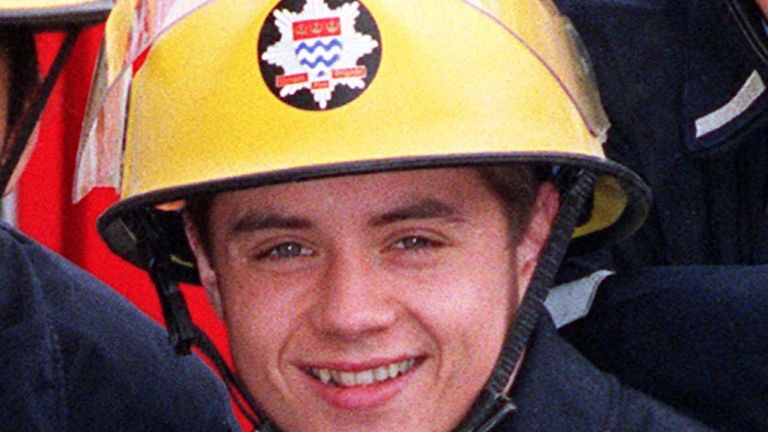

John Alford was a British actor and pop singer who rose to prominence during the early 1990s. Born in London, he developed a passion for acting at an early age and quickly found opportunities in television.
His breakthrough role came when he joined the cast of London’s Burning, a hugely popular ITV drama that followed the lives of firefighters working at a fictional London fire station.
Billy Ray: The Role That Made Him Famous
Alford played Billy Ray, a young and ambitious firefighter whose character quickly became a fan favourite.
The series itself was already a major hit in the UK, offering dramatic depictions of fire rescues alongside personal stories from the firefighters’ lives.
For Alford, the role brought:
-
National recognition
-
Media attention
-
A loyal fanbase
-
New career opportunities
During the peak of the show’s popularity, millions of viewers tuned in every week, making the cast household names.
The Success of London’s Burning

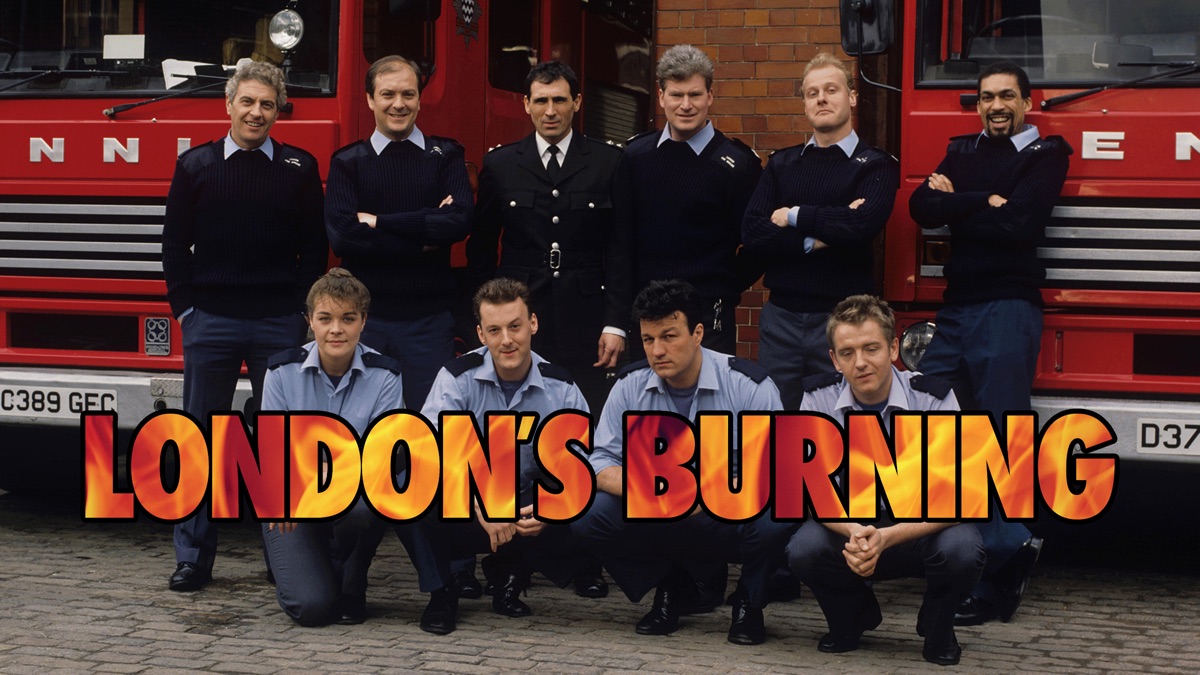

First airing in 1988, London’s Burning became one of the UK’s most successful television dramas.
The series ran for over a decade and was known for its realistic portrayal of firefighting.
Why the Show Became So Popular
Several factors contributed to its success:
1. Realistic Fire Rescue Scenes
The series worked closely with the London Fire Brigade, helping ensure the firefighting scenes felt authentic.
2. Character-Driven Storytelling
Each episode explored the personal lives of firefighters, making the characters relatable.
3. Weekly Prime-Time Appeal
The show became a staple of British television during the 1990s.
For many viewers, Billy Ray’s character represented the younger generation of firefighters entering a demanding profession.
John Alford’s Music Career


While most people remember Alford for his acting, he also pursued a music career during the mid-1990s.
His biggest hit was a cover of the classic song Blue Moon, which surprisingly became a chart success.
The single reached number three in the UK charts, proving that Alford had genuine popularity beyond television.
Chart Success
At the height of his music career:
-
His singles charted in the UK Top 10
-
He performed on major TV shows
-
His fan base expanded beyond drama audiences
For a time, he seemed poised to build a successful career across both acting and music.
However, that success would soon collapse.
The Scandal That Destroyed His Career
Despite his rising fame, John Alford’s career came to a sudden halt in 1998 after a shocking criminal case.
Alford was convicted following a sting operation by undercover journalists posing as a teenage fan.
The investigation alleged that he had attempted to arrange a sexual encounter with someone he believed to be a 15-year-old girl.
The case caused widespread outrage across the United Kingdom.
Legal Consequences
Following the trial:
-
Alford was sentenced to prison
-
He was placed on the UK sex offenders register
-
His acting career effectively ended
The conviction led to his immediate removal from London’s Burning, and television networks quickly distanced themselves from him.
Public reaction was swift and unforgiving.
Attempts at a Comeback
After serving his initial sentence, John Alford attempted to rebuild his life and career.
However, the stigma surrounding the conviction made returning to mainstream entertainment extremely difficult.
Struggles After Prison
Reports over the years suggested he faced numerous personal challenges:
-
Difficulty finding acting work
-
Financial instability
-
Mental health struggles
-
Repeated legal issues
Though he occasionally appeared in small stage productions, he never returned to the prominence he once enjoyed.
For many former fans, his story became a cautionary tale about fame and personal responsibility.
Later Legal Problems and Imprisonment
Years after his first conviction, Alford faced additional legal trouble.
Court records indicated further offences that led to another prison sentence, resulting in his incarceration at the time of his death.
Prison deaths in the UK are typically investigated by authorities and monitored by organizations such as the HM Prison and Probation Service.
Details about the precise circumstances surrounding Alford’s death have not yet been fully disclosed publicly.
However, prison authorities confirmed that he died while still in custody.
Reaction to John Alford’s Death
News of Alford’s death has sparked a mixture of reactions online and across the media.
For some, his early work on London’s Burning remains memorable.
Others point to the serious crimes that overshadowed his career.
Fans Remember the Actor
Many viewers have shared memories of watching London’s Burning during the 1990s.
Comments across social media reflect nostalgia for the show’s characters and storylines.
For those audiences, Billy Ray remains part of the era when British television dramas dominated weekend viewing.
A Divided Legacy
However, the circumstances of Alford’s conviction mean his legacy remains complicated.
His story is often cited as an example of:
-
A promising career derailed by criminal behaviour
-
The consequences of fame and poor decisions
-
The long-term impact of criminal convictions
The Cultural Impact of London’s Burning
Even decades after it first aired, London’s Burning continues to hold a special place in British TV history.
The show influenced many later emergency-service dramas and helped popularise the firefighter drama genre.
Why the Series Still Matters
Key reasons the show remains significant include:
-
It portrayed the real dangers faced by firefighters
-
It humanised emergency service workers
-
It blended action with character drama
For viewers who grew up watching the show, its cast – including John Alford – became iconic figures of British television.
Prison Deaths in the UK: What Happens Next?
Whenever someone dies in prison in England and Wales, authorities follow strict procedures.
Investigations typically involve:
-
The HM Prison and Probation Service
-
Independent prison investigators
-
A coroner’s inquest
These steps are designed to determine the cause of death and ensure proper oversight of custodial institutions.
Until official findings are released, details surrounding Alford’s death remain limited.
Fame, Fall, and Tragedy
John Alford’s story is one of dramatic contrasts.
At one point he was:
-
A popular television actor
-
A chart-topping singer
-
A familiar face on British screens
Yet within a few years, his life took a drastically different path.
The fall from celebrity status to imprisonment represents one of the more tragic trajectories in modern British entertainment.
Lessons from a Troubled Career
Stories like Alford’s highlight broader issues within the entertainment industry.
The Pressure of Fame
Young actors often experience intense public scrutiny.
Sudden fame can bring:
-
Financial pressure
-
Media attention
-
Personal stress
Without strong support systems, some struggle to manage those challenges.
Accountability Matters
At the same time, Alford’s conviction demonstrated that public figures are not immune from legal consequences.
The case also sparked discussions about safeguarding young fans and protecting minors from exploitation.
Remembering the Era of 1990s British Television
During the 1990s, British television was filled with iconic drama series.
Shows like:
-
London’s Burning
-
The Bill
-
Casualty
captured millions of viewers every week.
John Alford was part of that era — a time when TV actors could quickly become national celebrities.
Even though his later life overshadowed his achievements, his role in that television history remains part of the broader story of British entertainment.
Conclusion
The death of John Alford, once a rising star of London’s Burning, closes a complicated chapter in British television history.
His early career demonstrated genuine talent and widespread popularity. Yet his life also serves as a reminder of how quickly success can unravel when serious criminal actions enter the picture.
For fans of London’s Burning, his portrayal of Billy Ray remains part of a beloved television era. For others, his story represents the consequences of fame, poor decisions, and the law.
As investigations continue into the circumstances of his death in prison, the legacy he leaves behind remains deeply complex — a mixture of nostalgia, controversy, and tragedy.