


In a heartfelt message marking a historic milestone for the company, Apple CEO Tim Cook released a special letter celebrating “50 Years of Thinking Different.” The message reflects on the extraordinary journey of Apple—from a small startup founded in a California garage to one of the most influential technology companies in the world.
The letter highlights Apple’s commitment to creativity, innovation, and challenging the status quo. Cook paid tribute to the company’s founders, employees, developers, and loyal users who helped shape Apple into the global powerhouse it is today.
More importantly, the message looks ahead—emphasizing Apple’s continued mission to build technology that enriches lives, empowers creativity, and shapes the future.
This article explores the key themes of Tim Cook’s “50 Years of Thinking Different” letter, the historical significance of Apple’s journey, the company’s cultural philosophy, and what the next decades may hold for one of the most iconic brands in technology.
The Meaning Behind “Thinking Different”
The phrase “Think Different” has become synonymous with Apple’s identity.
Originally introduced in the legendary 1997 advertising campaign during the return of Steve Jobs, the slogan symbolized Apple’s commitment to creativity, rebellion against conformity, and belief that innovation comes from those who challenge conventional thinking.
Tim Cook’s letter revisits that philosophy, emphasizing that Apple’s success has always come from people who dared to imagine new possibilities.
According to Cook, the idea of “thinking different” is not just a marketing slogan—it is a mindset embedded in Apple’s culture.
From the early Macintosh computer to modern devices like the iPhone, Apple Watch, and Apple Silicon chips, the company has consistently pushed boundaries in design and technology.
Cook wrote that the same spirit continues to guide Apple today.
Apple’s 50-Year Journey: From Garage Startup to Global Giant

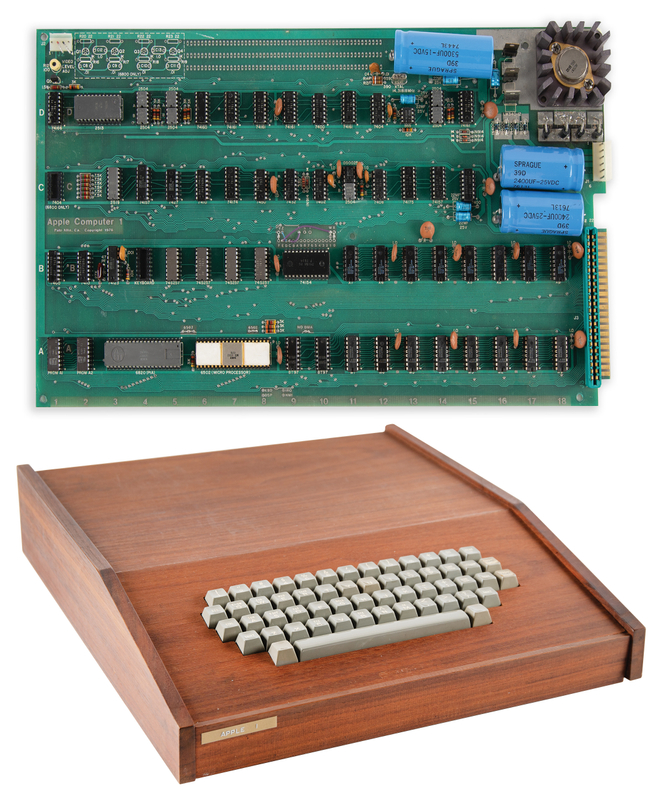

To understand the importance of the letter, it’s necessary to look back at Apple’s remarkable history.
The Beginning (1976)
Apple was founded in 1976 by Steve Jobs, Steve Wozniak, and Ronald Wayne.
The company’s first product, the Apple I, was a simple personal computer designed and hand-built by Wozniak.
At the time, computers were complex machines used mainly by universities and corporations. Apple’s vision was different—make computers accessible to ordinary people.
That idea changed the technology industry forever.
The Macintosh Revolution
In 1984, Apple launched the Macintosh, introducing the graphical user interface and mouse to the mainstream market.
The Macintosh made computing intuitive and visual, allowing people to interact with technology in entirely new ways.
The launch was accompanied by the iconic “1984” Super Bowl advertisement, which symbolized Apple’s rebellion against conformity.
This product cemented Apple’s reputation as an innovator willing to challenge industry norms.
The Return of Steve Jobs
In the mid-1990s, Apple faced financial difficulties.
But in 1997, Steve Jobs returned to the company and launched a turnaround that would reshape the entire tech landscape.
Under Jobs’ leadership, Apple introduced groundbreaking products including:
-
iMac
-
iPod
-
iTunes
-
iPhone
-
iPad
These devices didn’t just succeed—they transformed industries.
The iPod revolutionized music.
The iPhone reshaped mobile computing.
The iPad redefined tablets.
Cook’s letter recognizes this period as a defining chapter in Apple’s story.
Tim Cook’s Leadership and Apple’s Evolution
When Steve Jobs passed away in 2011, Tim Cook became Apple’s CEO.
At the time, many wondered whether Apple could continue innovating without its charismatic co-founder.
More than a decade later, Cook has proven that Apple’s culture of innovation extends far beyond any single individual.
Under Cook’s leadership, Apple has:
-
Become the world’s most valuable company multiple times
-
Expanded its ecosystem of products and services
-
Introduced new devices like the Apple Watch and Vision Pro
-
Transitioned Macs to Apple Silicon processors
-
Strengthened Apple’s environmental initiatives
Cook’s letter reflects pride in these achievements while acknowledging the teams behind them.
The Culture That Drives Apple
One of the most striking parts of Cook’s message is his emphasis on Apple’s internal culture.
According to him, Apple succeeds because it combines several key values:
Creativity
Apple encourages teams to challenge traditional thinking and explore bold ideas.
Collaboration
Unlike many tech companies, Apple integrates hardware, software, and services under one roof.
Attention to Detail
From product design to packaging, Apple focuses on delivering refined experiences.
Privacy
Cook repeatedly highlights Apple’s commitment to protecting user data and privacy.
Sustainability
Apple aims to become fully carbon-neutral across its supply chain.
These values form the foundation of Apple’s “Think Different” philosophy.
The Impact of Apple on the World



Cook’s letter also celebrates the profound impact Apple technology has had globally.
Today, Apple devices play a role in nearly every aspect of daily life.
Communication
The iPhone revolutionized how people communicate through messaging, video calls, and social media.
Creativity
Artists, musicians, filmmakers, and designers rely on Apple products to create digital content.
Health
The Apple Watch has introduced advanced health features such as heart monitoring, fitness tracking, and fall detection.
Education
iPads and Macs have become important tools for students and teachers worldwide.
Business
Millions of developers and entrepreneurs build apps and services within the Apple ecosystem.
The App Store alone has generated billions of dollars in economic opportunities.
Apple’s Developer Community
One major focus in Cook’s letter is Apple’s global developer community.
Since the launch of the App Store in 2008, developers have built millions of applications for Apple devices.
These apps power everything from productivity tools and games to health monitoring and business platforms.
Cook praised developers for bringing creativity and innovation to Apple’s ecosystem.
He emphasized that Apple’s mission is not only to create technology but also to enable others to build the future.
Environmental Responsibility
Another key theme in the letter is Apple’s environmental commitment.
Cook has made sustainability a central pillar of Apple’s strategy.
Apple aims to achieve carbon neutrality across its entire supply chain by 2030.
This includes:
-
Using recycled materials in devices
-
Reducing packaging waste
-
Transitioning to renewable energy
-
Designing products that last longer
Cook wrote that innovation must benefit not only customers but also the planet.
Apple’s Design Philosophy
Apple has always stood out for its design approach.
From the sleek iMac to the minimalist iPhone, design is central to the Apple identity.
Tim Cook’s message highlights how Apple blends engineering with artistry.
Every product undergoes extensive refinement to ensure it delivers both performance and elegance.
This design philosophy is one reason Apple products consistently stand out in competitive markets.
Apple’s Services Era
In recent years, Apple has expanded beyond hardware into digital services.
These include:
-
Apple Music
-
Apple TV+
-
Apple Arcade
-
Apple Fitness+
-
iCloud
Cook noted that services allow Apple to create deeper connections with users.
Instead of selling individual devices, Apple now offers an integrated ecosystem of products and services.
Apple and Artificial Intelligence
Although Cook’s letter focuses on history, the future of Apple inevitably includes artificial intelligence.
Apple has already integrated AI technologies into many products through features such as:
-
Siri voice assistant
-
Photo recognition
-
Predictive text
-
Health insights
As AI becomes more powerful, Apple is expected to expand these capabilities across its ecosystem.
Cook hinted that Apple will continue exploring technologies that enhance human creativity and productivity.
Apple’s Vision for the Next 50 Years
Tim Cook’s message ends with a forward-looking perspective.
He acknowledges that technology continues to evolve rapidly.
But Apple’s mission remains the same: create tools that empower people.
Cook believes the next decades will bring breakthroughs in areas such as:
-
Artificial intelligence
-
Augmented reality
-
Health technology
-
Environmental sustainability
-
Personal computing
Apple’s newest innovations, including spatial computing devices and custom silicon chips, suggest the company is preparing for another era of transformation.
Lessons from Apple’s Journey
Apple’s 50-year story offers several powerful lessons.
Innovation Requires Courage
Apple repeatedly succeeded by challenging established norms.
Simplicity Wins
Apple products emphasize intuitive design and simplicity.
Ecosystems Matter
Apple’s tightly integrated ecosystem keeps users engaged across multiple devices.
Vision Is Essential
From Jobs to Cook, strong leadership has guided Apple’s direction.
These lessons continue to shape the technology industry.
Why Tim Cook’s Letter Matters
The “50 Years of Thinking Different” letter is more than a corporate message.
It represents a moment of reflection for one of the world’s most influential companies.
Few organizations have shaped modern life as profoundly as Apple.
From personal computing to smartphones and wearable technology, Apple innovations have transformed how people live, work, and communicate.
Cook’s message reminds readers that innovation is driven by curiosity, creativity, and courage.
The Enduring Power of “Think Different”
The phrase “Think Different” remains as relevant today as it was decades ago.
In a world where technology evolves rapidly, Apple continues to embrace the idea that progress comes from those willing to challenge assumptions.
Tim Cook’s letter reinforces this belief.
It celebrates the pioneers who built Apple, the employees who continue to innovate, and the customers who use Apple technology to pursue their passions.
Conclusion
Tim Cook’s “50 Years of Thinking Different” letter captures the spirit that has defined Apple for half a century.
It honors the company’s history while looking confidently toward the future.
From a garage startup to a global technology leader, Apple’s journey reflects the power of imagination and innovation.
As technology continues to evolve, Apple’s mission remains clear: build tools that empower people to create, connect, and change the world.
If the past 50 years are any indication, the next half-century of Apple innovation may be even more transformative.