


The global energy market is facing what experts are calling one of the most serious supply shocks ever recorded. The International Energy Agency has warned that the world may be on the brink of the largest oil supply disruption in modern history, a development that could send shockwaves through economies, financial markets, and geopolitical relations.
The warning comes amid escalating tensions in the Middle East, particularly around the critical shipping route of the Strait of Hormuz. Roughly one-fifth of the world’s oil supply flows through this narrow waterway, making it one of the most strategically important energy corridors on the planet.
With attacks on tankers, rising military tensions, and fears of prolonged supply interruptions, analysts say the world could face historic oil shortages, rapidly rising fuel prices, and economic uncertainty if the crisis deepens.
This article examines the IEA’s warning, the causes behind the disruption, the potential impact on oil prices, and what governments and consumers might face in the months ahead.
What the IEA Warning Means
The International Energy Agency monitors global energy markets and advises governments on energy security and policy. When it warns about a disruption, markets listen carefully.
According to the agency, current geopolitical tensions threaten to remove millions of barrels of oil per day from global supply, a scale that could exceed previous historic disruptions.
The organization says several factors are combining to create a perfect storm:
-
Escalating conflict in key oil-producing regions
-
Threats to shipping routes transporting crude oil
-
Attacks on cargo ships and tankers
-
Rising military tensions among major powers
-
Reduced spare production capacity globally
If the crisis worsens, global oil markets could face supply shortages not seen since major historical energy shocks.
Why the Strait of Hormuz Is So Important


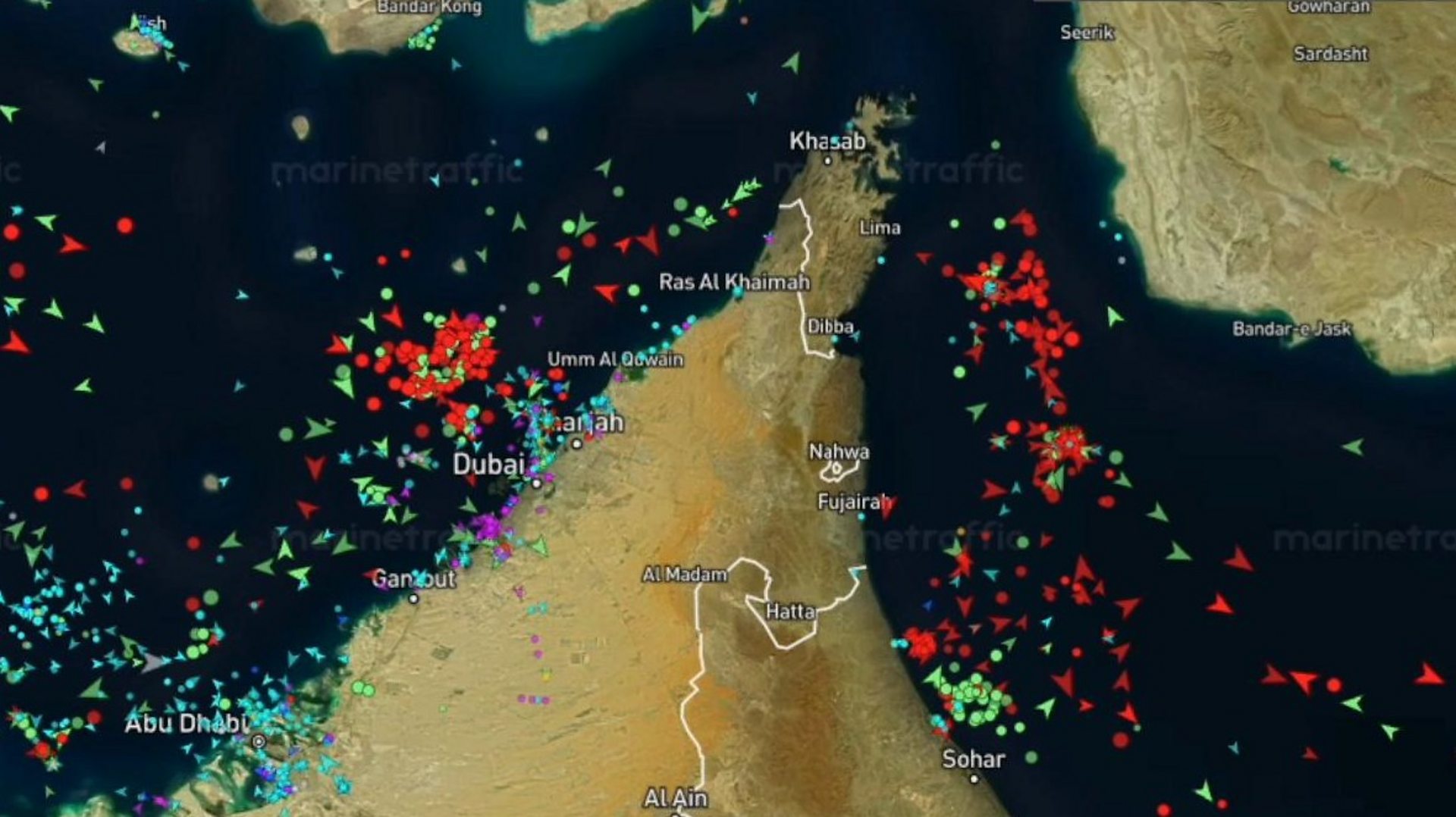
At the center of the current crisis is the Strait of Hormuz, a narrow maritime passage connecting the Persian Gulf with global markets.
Every day, around 20 million barrels of oil pass through the strait. That represents nearly 20% of global oil consumption.
Major oil exporters relying on this route include:
-
Saudi Arabia
-
Iran
-
Iraq
-
Kuwait
-
United Arab Emirates
Because there are very limited alternative routes, any disruption to tanker traffic in this narrow waterway could quickly affect the entire global oil supply chain.
Even a temporary blockage or military conflict could cause energy markets to panic.
Oil Markets React to Supply Fears
Energy traders around the world closely monitor any developments affecting oil supply. When disruption fears rise, markets often react immediately.
The global oil benchmark Brent Crude has already experienced volatility as traders factor in the risk of supply shortages.
Key market reactions include:
-
Sharp increases in oil futures prices
-
Higher shipping insurance costs for tankers
-
Increased military escorts for oil shipments
-
Growing speculation about $150–$200 per barrel oil
Energy analysts say markets are pricing in risk rather than actual shortages—for now.
However, if supply disruptions become real and sustained, prices could surge dramatically.
How Much Oil Could Be Lost?
The IEA estimates that potential disruptions could remove several million barrels per day from global supply.
To understand the scale of that risk, consider previous disruptions:
| Event | Estimated Supply Loss |
|---|---|
| 1973 Oil Embargo | ~4 million barrels/day |
| Iranian Revolution (1979) | ~5.6 million barrels/day |
| Gulf War (1990) | ~4.3 million barrels/day |
If the current crisis worsens, the IEA says supply losses could exceed these historic levels, making it the largest disruption ever recorded.
That would place extraordinary pressure on global energy markets.
Potential Impact on Oil Prices
One of the biggest concerns surrounding the disruption is the potential for massive oil price spikes.
Historically, oil markets respond aggressively to supply threats.
Possible price scenarios include:
Moderate disruption
Oil could rise to $120–$150 per barrel.
Severe disruption
Prices could climb to $150–$200 per barrel.
Extreme scenario
If shipping routes are fully blocked, analysts warn oil could temporarily spike above $200 per barrel.
Such price levels would have serious consequences for global inflation and economic growth.
Global Economic Consequences
Oil is the backbone of the modern global economy. It fuels transportation, manufacturing, aviation, and shipping.
A major disruption could impact several key sectors.
Transportation
Higher oil prices translate directly into higher fuel costs.
Airlines, shipping companies, and trucking firms would face increased operating expenses, likely leading to higher ticket prices and shipping costs.
Inflation
Energy costs influence nearly every industry. Rising oil prices would push up the cost of:
-
Food production
-
Transportation
-
Manufacturing
-
Consumer goods
This could trigger another wave of global inflation, complicating efforts by central banks to stabilize economies.
Economic Growth
Historically, sharp oil price increases have slowed economic growth.
If energy costs remain elevated for months, economists warn the world could face recession risks in several major economies.
Strategic Oil Reserves May Be Released
Governments may turn to emergency reserves to stabilize markets.
The International Energy Agency coordinates strategic petroleum reserves among major energy-consuming nations.
Countries with large emergency oil reserves include:
-
United States
-
Japan
-
Germany
-
South Korea
These reserves are designed to provide temporary relief during supply crises.
However, they are not a long-term solution if disruptions last for months.
Military Tensions and Shipping Security
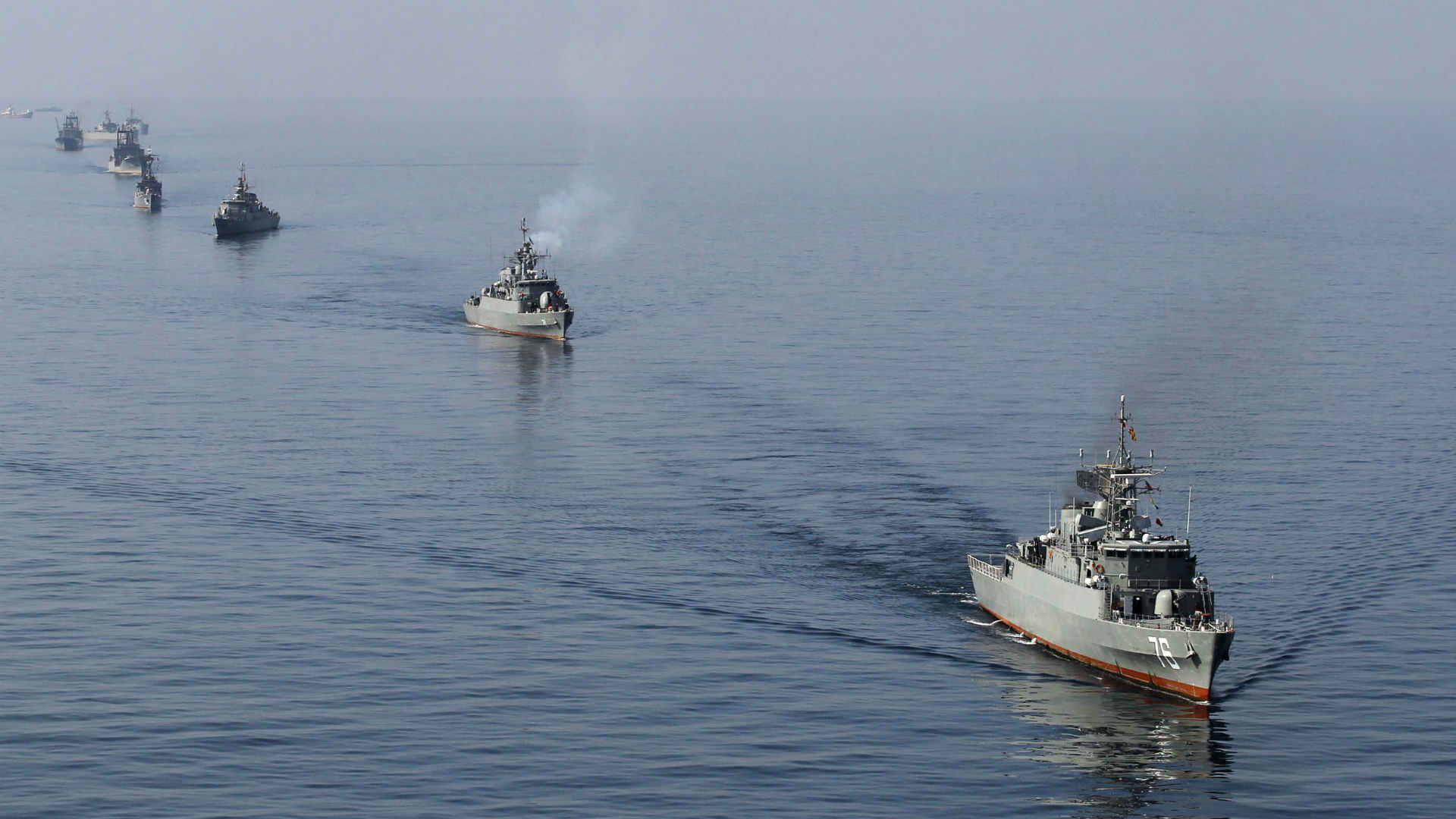
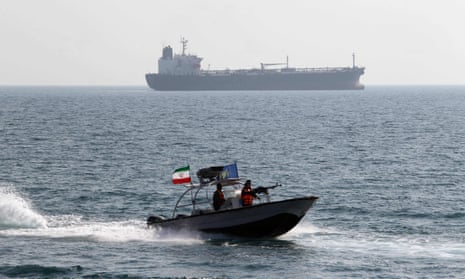

Shipping security has become a major concern.
Several countries have deployed naval forces to protect commercial vessels traveling through the Persian Gulf.
These operations aim to:
-
Escort oil tankers safely through risky areas
-
Prevent attacks on shipping
-
Maintain open trade routes
Even with naval protection, the risk of disruption remains significant if tensions escalate further.
Energy Markets Already Under Pressure
The potential disruption comes at a time when global energy markets are already strained.
Several factors have tightened supply:
-
Rising global energy demand
-
Reduced investment in new oil production
-
Geopolitical tensions affecting exporters
-
Limited spare capacity among major producers
Energy analysts say this leaves the world less prepared to handle a major supply shock.
Can Other Producers Replace Lost Supply?
Some oil producers could increase output if necessary.
Potential replacement supply could come from:
-
Saudi Arabia
-
United States
-
Canada
-
Brazil
However, analysts warn that spare production capacity worldwide is limited.
Increasing output quickly enough to offset a massive disruption could be difficult.
What It Means for Consumers
For everyday consumers, the biggest impact will likely be felt at the gas pump.
If oil prices surge, drivers could face:
-
Higher petrol prices
-
Rising heating costs
-
More expensive airline tickets
-
Higher prices for goods and food
Energy costs ripple through the entire economy, affecting household budgets in many ways.
Why the Crisis Matters for Energy Transition
The disruption could also accelerate the global shift toward renewable energy.
Many governments are already investing heavily in:
-
Solar power
-
Wind energy
-
Electric vehicles
-
Hydrogen fuel technology
Energy crises often highlight the risks of relying heavily on fossil fuels.
Some analysts say the current crisis could strengthen the case for faster investment in alternative energy sources.
Lessons From Past Oil Crises
History offers several examples of how oil supply disruptions can reshape global politics and economics.
1973 Oil Crisis
Arab oil producers imposed an embargo that caused fuel shortages and economic turmoil across Western countries.
1979 Iranian Revolution
Political upheaval in Iran led to a major drop in global oil supply.
1990 Gulf War
Iraq’s invasion of Kuwait disrupted oil production and sent prices soaring.
Each crisis forced governments to rethink energy security strategies.
The Role of Energy Security
Energy security has become one of the most important geopolitical priorities for governments.
Countries now aim to diversify energy supplies to reduce dependence on vulnerable routes or regions.
Strategies include:
-
Expanding renewable energy
-
Building strategic oil reserves
-
Increasing domestic production
-
Developing alternative shipping routes
The current disruption highlights how fragile global energy systems can be.
What Happens Next?
The coming weeks will be critical for global energy markets.
Several factors will determine whether the disruption worsens or stabilizes:
-
Diplomatic negotiations
-
Military developments in the region
-
Security of shipping lanes
-
Production decisions by major oil producers
If tensions ease, markets could stabilize relatively quickly.
However, if conflict escalates, the world may face a historic energy shock.
Conclusion
The warning from the International Energy Agency about the largest oil supply disruption in history highlights the fragile balance of the global energy system.
With millions of barrels of oil potentially at risk and critical shipping routes under threat, the stakes for the world economy are enormous.
Energy markets, governments, and consumers are now watching developments closely as geopolitical tensions continue to unfold.
Whether the crisis results in temporary volatility or a prolonged global energy shock will depend on how quickly stability can be restored in key oil-producing regions.
One thing is certain: the world’s dependence on oil means that any major disruption carries consequences far beyond the energy sector, affecting economies, politics, and everyday life across the globe.