


New testimonies from Brazilian women have brought renewed attention to the global trafficking network connected to financier Jeffrey Epstein. According to their accounts, Epstein allegedly used contacts within the modelling world to recruit young women and girls, promising glamorous careers and international travel before drawing them into his social circle.
The revelations add another troubling chapter to one of the most notorious exploitation scandals in modern history. Years after Epstein’s death in jail in 2019, survivors continue to come forward with stories that highlight how the network allegedly operated across continents.
Brazilian women who spoke publicly say they were approached through individuals posing as modelling scouts or agents. They were promised opportunities in fashion capitals such as New York and Paris, introductions to powerful figures, and financial support for their careers.
Instead, they claim the offers eventually led them into situations involving Epstein and his associates.
This article explores the allegations, the recruitment tactics described by survivors, the role of intermediaries, and the broader impact of the Epstein scandal on the modelling industry and global anti-trafficking efforts.
The Epstein Scandal: A Global Story


The criminal case involving Jeffrey Epstein shocked the world when federal prosecutors accused him of running a vast trafficking operation involving underage girls.
Epstein was first investigated in the mid-2000s in Florida, but the case gained global attention more than a decade later when new charges were brought in New York.
In 2019, Epstein was arrested and charged with sex trafficking of minors. The allegations described a system in which young women were recruited to provide massages that often turned into sexual exploitation.
However, Epstein died in a Manhattan jail while awaiting trial, leaving many questions unanswered.
Despite his death, investigations and civil lawsuits continued, revealing connections between Epstein and some of the world’s most powerful people.
Brazilian Women Speak Out



Several Brazilian women have described how they were approached by someone presenting themselves as a modelling recruiter.
For aspiring models in Brazil, such offers are not unusual. Brazil is one of the world’s leading exporters of fashion models, producing global stars like Gisele Bündchen and Adriana Lima.
Young women often hope to follow similar paths — travelling abroad to work in fashion capitals and earning international recognition.
According to the testimonies, the recruiter suggested that powerful businessmen could help launch their careers.
The invitations included:
-
Exclusive parties
-
Private meetings
-
Trips to luxury homes
-
Opportunities to meet wealthy patrons
The experiences initially seemed glamorous and promising.
But the women say the situation soon became uncomfortable and coercive.
How Modelling Opportunities Were Allegedly Used



The modelling industry has long faced criticism for vulnerabilities that can expose young people to exploitation.
Many models begin their careers as teenagers and travel internationally without strong support networks.
In the accounts given by Brazilian women, the alleged modelling agent presented the opportunity as a stepping stone into elite social circles.
Once recruited, they say they were introduced to wealthy individuals connected to Epstein.
Investigators have previously heard similar stories from other victims who described how Epstein’s network used the promise of money, mentorship, and career advancement to gain trust.
Experts say such tactics are common in trafficking cases.
Promises of opportunity can mask manipulation.
Victims often only realize the danger after they have already entered the recruiter’s social network.
Powerful Names Linked to Epstein


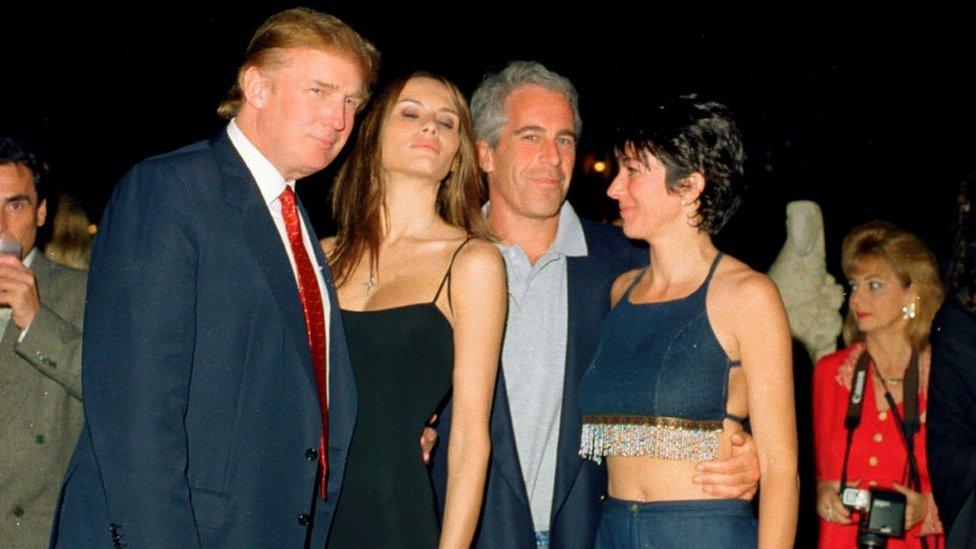
The Epstein scandal became even more explosive because of his connections with prominent figures.
Among those whose names have appeared in media coverage or investigations are:
-
Prince Andrew
-
Bill Clinton
-
Donald Trump
Most of these figures have denied wrongdoing, and being mentioned in Epstein-related reports does not necessarily imply criminal involvement.
However, the scandal drew intense public scrutiny because Epstein moved in elite circles that included politicians, billionaires, and celebrities.
Another central figure in the case was Ghislaine Maxwell, who was convicted in 2021 of helping recruit and groom underage girls for Epstein.
Prosecutors argued that Maxwell played a critical role in introducing victims and maintaining Epstein’s social network.
The Role of Recruiters



Investigators believe Epstein relied on intermediaries to recruit women.
Some recruiters allegedly approached young women directly, while others used professional industries such as modelling or massage therapy to identify potential victims.
These intermediaries often presented themselves as mentors or career helpers.
Victims say they were gradually introduced to Epstein through social events or private meetings.
Experts say this process mirrors common trafficking strategies known as grooming.
Grooming and Psychological Manipulation
Grooming is a step-by-step process used by predators to gain control over victims.
The stages often include:
1. Targeting vulnerable individuals
Recruiters often seek people who are young, financially struggling, or pursuing ambitious dreams.
2. Building trust
Victims may receive gifts, travel opportunities, or mentorship.
3. Isolation
Once victims are inside the network, they may feel unable to leave.
4. Escalation
What begins as a simple meeting or massage may become something more exploitative.
5. Control
Victims may fear retaliation, humiliation, or career damage if they refuse.
Brazilian women who shared their experiences say they recognized these patterns only later.
Global Investigations Continue
Authorities in several countries have continued investigating the Epstein network even after his death.
Civil lawsuits have targeted financial institutions and individuals accused of enabling his activities.
These cases aim to determine how Epstein was able to maintain his operations for so many years.
They also seek compensation for survivors.
The testimonies from Brazilian women could potentially provide new insights into how recruitment occurred internationally.
The Impact on the Modelling Industry
The allegations have reignited debates about safety in the fashion industry.
Advocacy groups argue that modelling agencies should implement stricter protections for young talent.
Suggested reforms include:
-
Verified licensing for modelling scouts
-
Transparency in contracts
-
Mandatory chaperones for underage models
-
Reporting systems for harassment or abuse
Some agencies have already introduced stronger safeguards, but campaigners say enforcement remains inconsistent.
Survivor Voices and Courage
For survivors, speaking publicly is often an emotional challenge.
Many say they struggled with trauma, shame, or fear of retaliation for years before sharing their stories.
The growing global awareness of the Epstein case has encouraged more victims to come forward.
Their testimonies help investigators understand how trafficking networks operate.
They also play a crucial role in ensuring that victims’ experiences are recognized.
Why the Epstein Case Still Matters
The Epstein scandal exposed how exploitation can occur even within elite social circles.
It revealed how wealth, power, and influence can shield criminal activity for years.
But it also demonstrated the importance of investigative journalism and survivor advocacy.
Without the courage of victims who spoke out, many aspects of the case might never have become public.
The Ongoing Fight Against Human Trafficking
Human trafficking affects millions of people worldwide.
Organizations working to combat trafficking emphasize the need for:
-
International law enforcement cooperation
-
Survivor-centered justice systems
-
Greater awareness in industries involving young talent
-
Stronger legal consequences for traffickers
Cases like Epstein’s highlight the need for vigilance in environments where vulnerable individuals may be pursuing opportunities.
Conclusion
The testimonies from Brazilian women alleging that a modelling agent helped recruit girls into Jeffrey Epstein’s orbit provide disturbing insight into how trafficking networks can operate.
By exploiting the dreams of young women hoping to enter the modelling industry, recruiters may have been able to draw victims into elite social circles where exploitation occurred.
While Epstein himself is no longer alive to face trial, the search for accountability continues.
Investigators, journalists, and survivors are still uncovering how the network functioned — and who helped sustain it.
Their work serves as a reminder that justice is not only about punishing perpetrators but also about ensuring that the systems allowing such abuse are exposed and dismantled.
The voices of survivors remain central to that mission.