


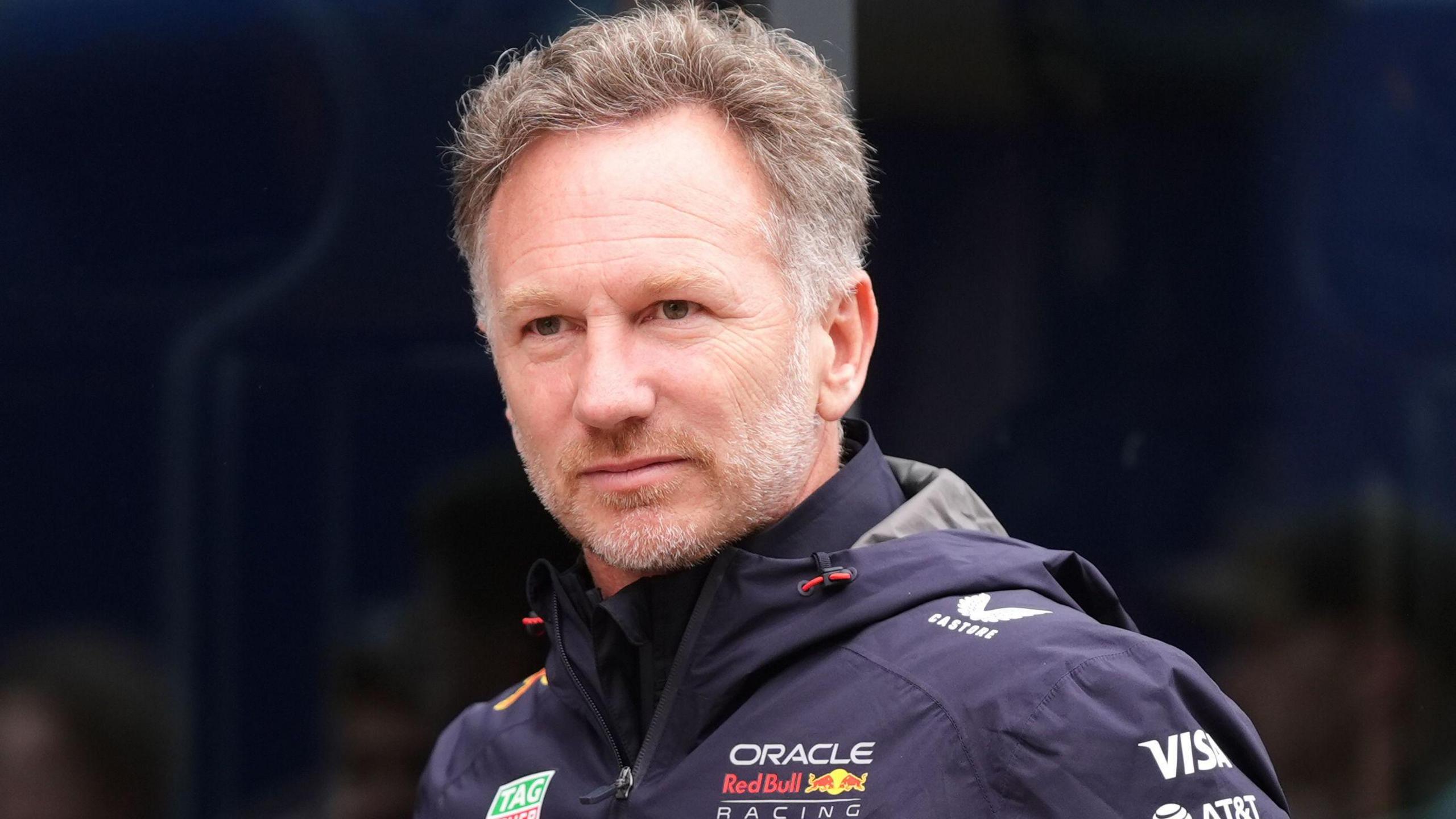
Formula 1 is once again facing a moment of uncertainty as discussions grow about potential cancellations of Middle East races amid rising geopolitical tensions and logistical challenges. At the same time, another major storyline is gaining momentum in the paddock: growing calls for Ferrari to make a bold leadership move by recruiting Christian Horner, the long-time team principal of Red Bull.
These two stories—one about the future of the Formula 1 calendar and the other about Ferrari’s leadership—are quickly becoming intertwined narratives that could shape the sport’s next era.
With multiple Middle Eastern Grands Prix now central to the championship schedule, Formula 1 leadership is exploring contingency plans should events be disrupted. Meanwhile, pundits and former insiders argue that Ferrari may need a radical shake-up to return to championship contention.
In this in-depth analysis, we explore the potential cancellation scenarios, the financial and sporting consequences for the championship, and why some experts believe Ferrari should seriously consider bringing Horner to Maranello.
Why Middle East F1 Races Are Under the Spotlight
Over the last decade, the Middle East has become one of Formula 1’s most important regions.
Major races include:
-
Bahrain Grand Prix
-
Saudi Arabian Grand Prix
-
Qatar Grand Prix
-
Abu Dhabi Grand Prix
These events have transformed the F1 calendar, providing:
-
Major financial backing
-
State-of-the-art circuits
-
Global TV audiences
-
Season-opening and season-ending spectacle
The Formula One championship often begins in Bahrain and ends in Abu Dhabi, highlighting how critical the region has become.
However, geopolitical tensions and security concerns in the broader region have triggered internal discussions about what happens if a race cannot go ahead.
Why Cancellation Concerns Are Emerging
Several factors have raised concerns within Formula 1 leadership.
1. Regional Security Risks
Escalating tensions in parts of the Middle East have led global sports organizations to assess potential risks for large international events.
While most host countries remain stable, Formula 1 operates with strict security protocols. Even the possibility of disruption requires contingency planning.
2. Logistical Complexity
Formula 1 is one of the most logistically demanding sports in the world.
Every race weekend involves:
-
Hundreds of staff
-
20+ cars and spare parts
-
Thousands of tons of equipment
-
Global TV broadcast infrastructure
If a race were canceled suddenly, moving the championship to an alternative location requires significant preparation.
3. Calendar Congestion
The modern F1 calendar now includes over 24 races, making scheduling extremely tight.
Adding a replacement race or shifting events requires cooperation between teams, broadcasters, promoters, and governing bodies.
Formula 1’s Backup Plans for Middle East Races
Sources inside the sport suggest that several contingency plans are already being explored.
Replacement Races
One option is replacing canceled Middle East races with circuits that already have FIA approval and previous experience hosting Formula 1.
Possible substitutes include:
-
Turkish Grand Prix
-
German Grand Prix
-
Portuguese Grand Prix
These venues have hosted emergency races in recent years and have existing infrastructure ready for quick activation.
Calendar Reshuffling
Another strategy would be to rearrange races already on the calendar.
For example:
-
Moving European races earlier
-
Extending triple-header weekends
-
Compressing travel schedules
This approach minimizes cancellations but can place enormous pressure on teams.
Double-Header Weekends
Formula 1 has used double-headers before, where two races take place at the same circuit on consecutive weekends.
During the pandemic-affected 2020 season, circuits like Silverstone hosted multiple races to maintain the championship schedule.
This method could again be used if several races are canceled.
Financial Impact of Middle East Race Cancellations
The financial stakes are enormous.
Middle Eastern races are among the most lucrative events on the F1 calendar due to significant hosting fees paid by promoters.
Experts estimate that each event contributes tens of millions of dollars in revenue for Formula 1.
Canceling even one race could mean:
-
Lost broadcast revenue
-
Sponsor exposure issues
-
Refunds for promoters
-
Contractual complications
For teams, fewer races could also affect prize money distribution.
Why the Middle East Matters to Formula 1
The sport’s expansion into the Middle East has been one of its most important commercial strategies.
Countries in the region have invested heavily in:
-
High-tech circuits
-
Tourism promotion
-
Global sporting visibility
Examples include:
-
Bahrain International Circuit
-
Jeddah Corniche Circuit
-
Lusail International Circuit
-
Yas Marina Circuit
These venues host some of the most visually spectacular races on the calendar, often under floodlights.
Night racing has become a signature feature of the region’s events.
Ferrari’s Ongoing Struggles
While Formula 1 deals with calendar uncertainty, another storyline is dominating discussion in the paddock.
Ferrari’s long-running quest to return to championship dominance remains unresolved.
The legendary team—officially known as Scuderia Ferrari—has not won a drivers’ championship since 2007.
Despite flashes of competitiveness, strategic errors and inconsistent performance have plagued the team in recent seasons.
Fans and analysts increasingly believe Ferrari needs leadership transformation.
The Case for Christian Horner
One name repeatedly mentioned as a potential solution is Christian Horner.
Horner has led Red Bull Racing since 2005 and is widely considered one of the most successful team principals in modern Formula 1 history.
Under his leadership, Red Bull has achieved:
-
Multiple constructors’ championships
-
Multiple drivers’ championships
-
Dominance in several F1 eras
Drivers such as Max Verstappen and Sebastian Vettel have thrived within Red Bull’s structure.
Why Experts Think Ferrari Should Target Horner
Some former drivers and analysts argue that Ferrari needs a leader with Horner’s experience and authority.
Key reasons include:
1. Proven Leadership
Horner has successfully managed one of the most competitive teams in the sport for nearly two decades.
Few team principals can match his record.
2. Strategic Clarity
Red Bull is known for decisive strategy calls and strong technical leadership.
Ferrari, by contrast, has faced criticism for questionable race decisions.
3. Culture Transformation
Ferrari’s internal structure has sometimes been described as overly complex.
Horner’s leadership style could streamline decision-making.
Would Horner Ever Leave Red Bull?
Despite the speculation, convincing Horner to leave Red Bull would be extremely difficult.
Reasons include:
-
Deep relationships within the organization
-
Long-term success with current leadership
-
Strong backing from Red Bull’s ownership
However, Ferrari has historically been able to attract top talent with its prestige and resources.
Working for Ferrari carries enormous symbolic value in motorsport.
Ferrari’s Current Leadership Structure
Ferrari’s Formula 1 operations are currently led by team principal Frédéric Vasseur.
Vasseur has focused on restructuring Ferrari’s technical department and improving operational efficiency.
While progress has been made, the pressure on Ferrari leadership is relentless.
Every race weekend brings intense scrutiny from:
-
Italian media
-
Global F1 fans
-
Corporate leadership at Ferrari
This environment makes long-term stability difficult.
Could Leadership Change Transform Ferrari?
History suggests leadership shifts can dramatically change a team’s fortunes.
For example:
-
The arrival of Ross Brawn and Jean Todt helped Ferrari dominate the early 2000s.
-
Red Bull’s success accelerated after building a strong management structure around Horner.
If Ferrari ever pursued Horner, it would represent one of the biggest management transfers in F1 history.
The Bigger Picture: F1’s Rapid Evolution
Both the calendar uncertainty and Ferrari’s leadership debate highlight a broader trend.
Formula 1 is evolving faster than ever.
Major changes include:
-
Expansion into new markets
-
Growing global TV audiences
-
Increased commercial revenue
-
New technical regulations
The sport’s popularity has surged thanks in part to digital engagement and media coverage.
Fans now follow not only races but also behind-the-scenes team dynamics.
Why the 2026 Season Could Be a Turning Point
The upcoming era of Formula 1 regulations could reshape the competitive order.
New engine rules and sustainability goals are expected to arrive soon, creating opportunities for teams to leap forward.
For Ferrari, the next regulatory cycle could be crucial.
If the team fails to capitalize, pressure for leadership change could intensify.
How Teams Are Preparing for Uncertainty
Teams across the grid are preparing for both sporting and logistical uncertainty.
Key preparations include:
-
Flexible travel planning
-
Alternative freight logistics
-
Contingency race strategies
Formula 1 learned many lessons during the pandemic-disrupted seasons, when last-minute calendar changes became common.
Those experiences are now proving valuable again.
Fans React to the Latest F1 Drama
The Formula 1 fan community has reacted strongly to both developments.
On social media, debates rage about:
-
Whether Middle East races should remain central to the calendar
-
Whether Ferrari needs a complete management overhaul
-
Whether Horner would actually consider a move
Fans are divided, but one thing is clear: Formula 1 continues to generate intense global interest.
What Happens Next?
Several key developments could shape the coming months.
Calendar Decisions
Formula 1 will monitor geopolitical and logistical developments before confirming contingency plans.
Race promoters and teams remain in close communication with the sport’s governing bodies.
Ferrari’s Future Direction
Ferrari leadership will continue evaluating performance and long-term strategy.
While speculation about Horner remains hypothetical, pressure for results will not disappear.
Competitive Battles
On track, the championship fight remains the most important story.
Teams are pushing development upgrades and refining strategies to gain every possible advantage.
Conclusion
Formula 1 is once again navigating a complex landscape where sport, politics, and business intersect.
The potential cancellation of Middle East races highlights the challenges of running a truly global championship. At the same time, Ferrari’s ongoing struggle to reclaim its former dominance has sparked debate about leadership and long-term strategy.
Whether contingency race plans are needed or Ferrari eventually pursues bold leadership changes, the coming seasons could reshape the sport’s competitive balance.
For fans, that uncertainty only adds to the drama.
Formula 1 has always thrived on high stakes, intense rivalries, and constant evolution—and the latest developments surrounding the Middle East calendar and Ferrari’s future show that the sport’s next chapter may be just as unpredictable as the racing itself.