


Global travel has been thrown into turmoil once again, with thousands of flights cancelled across Europe, the United States, the Middle East and parts of Asia — sparking what industry analysts are calling the worst travel chaos since the Covid crisis.
Airports are packed with stranded passengers sleeping on terminal floors. Airlines are scrambling to reposition aircraft and crews. Families are missing weddings, business travellers are missing crucial meetings, and holidaymakers are seeing long-planned trips unravel at departure gates.
From major hubs like Heathrow Airport and John F. Kennedy International Airport to regional gateways across Europe, the scale of disruption is staggering — and for many travellers, eerily reminiscent of 2020.
Scenes of Chaos at Major Airports

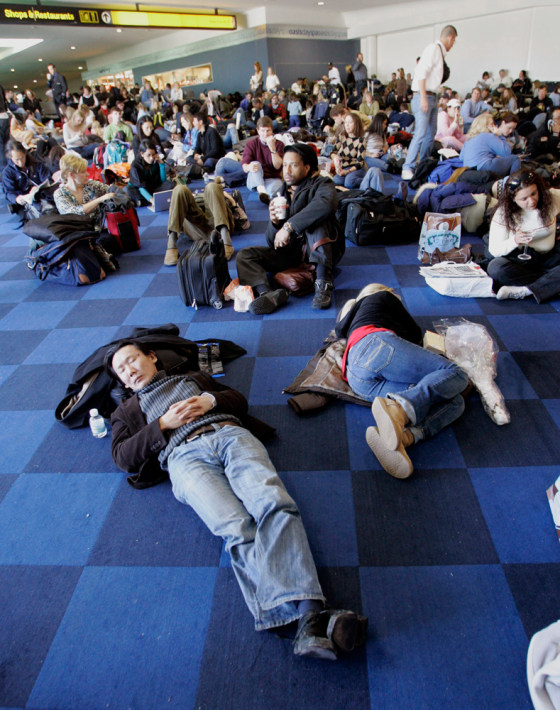

At Heathrow, departure boards have been dominated by the word “Cancelled.” Long queues snake through terminals as passengers wait hours for rebooking assistance.
Across the Atlantic at JFK, frustrated travellers have reported delays stretching beyond 12 hours, with limited information from airlines.
In parts of Europe, airports including Amsterdam, Frankfurt and Paris have experienced mass cancellations triggered by weather, staffing shortages and airspace restrictions.
The International Air Transport Association (IATA) estimates that over 8,000 flights were cancelled globally within 48 hours, with tens of thousands more delayed.
Why Are Thousands of Flights Being Cancelled?
Unlike the Covid crisis — when governments grounded fleets to curb the spread of the virus — today’s travel chaos stems from a perfect storm of overlapping pressures.
1. Severe Weather Disruptions
Storm systems across Europe and North America have grounded aircraft due to high winds, lightning and reduced visibility. When weather disrupts major hub airports, the knock-on effect spreads globally within hours.
Aircraft and crew rotations are tightly scheduled. If one flight is cancelled, it can affect multiple subsequent services across continents.
2. Airspace Restrictions and Security Tensions
Escalating geopolitical tensions in parts of the Middle East have forced airlines to reroute aircraft to avoid restricted airspace. Longer flight paths mean higher fuel use, crew duty complications and missed connections.
Airlines including Emirates, British Airways and Lufthansa have adjusted routes — causing delays that ripple across global networks.
3. Ongoing Staffing Shortages
Airlines cut tens of thousands of jobs during Covid. While travel demand has rebounded sharply, staffing levels in air traffic control, baggage handling and ground services remain stretched.
Airports in the UK, Germany and the US have reported sickness absences and recruitment gaps — particularly during peak holiday periods.
4. Aircraft Maintenance Backlogs
Supply chain disruptions have delayed parts deliveries, leaving some aircraft grounded for extended maintenance checks. Fewer operational planes means tighter scheduling and less flexibility during disruptions.
Is This Worse Than the Covid Travel Crisis?
While the causes differ, many industry observers argue that this is the most widespread operational meltdown since 2020.
During the pandemic, cancellations were planned and systemic. Now, the disruption is chaotic and unpredictable.
Travel expert commentary suggests:
-
The volume of passengers is near pre-pandemic highs.
-
Airline resilience remains fragile.
-
Weather volatility linked to climate change is increasing unpredictability.
-
Geopolitical flashpoints are expanding no-fly zones.
Unlike Covid lockdowns, there is no single cause — making it harder to stabilise quickly.
Which Regions Are Hit Hardest?
United Kingdom

The UK has seen major disruption at:
-
Heathrow Airport
-
Gatwick Airport
-
Manchester Airport
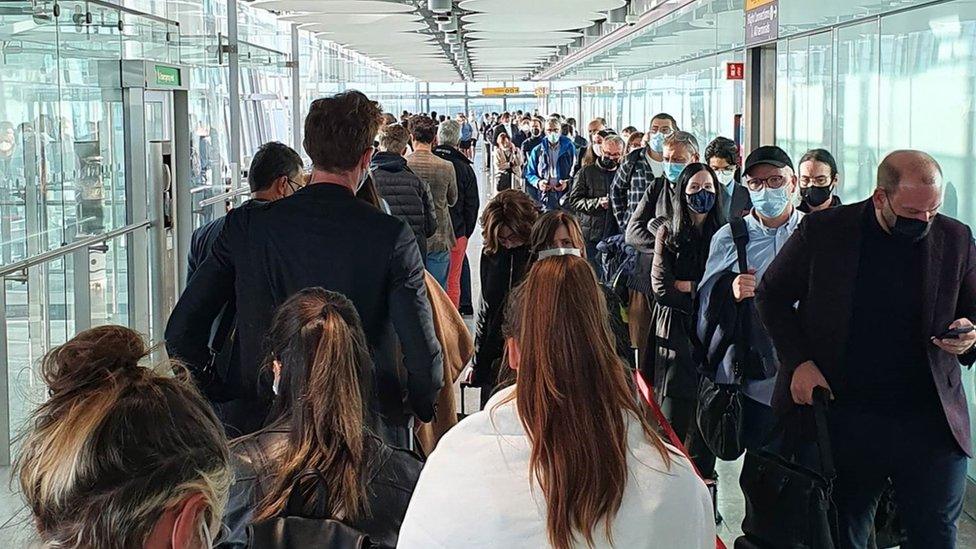
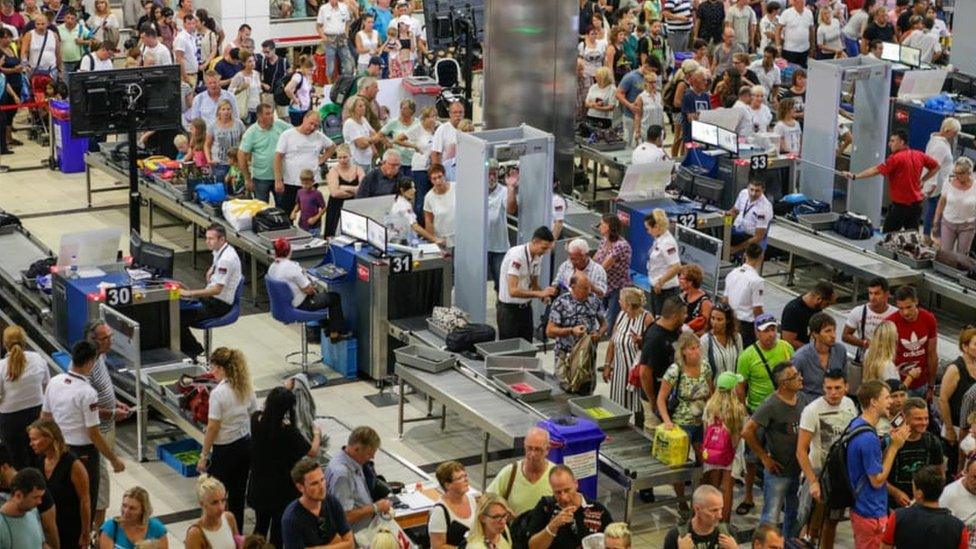
Passengers have faced cancellations on transatlantic and European routes, with some airlines advising customers not to travel to the airport unless their flight is confirmed.
Rail strikes and road congestion have compounded travel difficulties for stranded passengers.
United States
Major hubs including Hartsfield-Jackson Atlanta International Airport and Los Angeles International Airport have reported hundreds of cancellations linked to storms and air traffic control slowdowns.
Europe
Airports in Germany, France and the Netherlands are grappling with both weather and labour pressures. Knock-on delays have disrupted long-haul connections to Asia and the Middle East.
The Economic Cost of Global Travel Chaos
Airlines lose millions per day when flights are grounded. Compensation costs under UK and EU passenger rights regulations can be substantial.
Under UK law, passengers may be entitled to compensation of up to £520 depending on flight distance and delay length — unless the airline proves “extraordinary circumstances.”
The wider economic cost includes:
-
Lost tourism revenue
-
Business travel disruption
-
Supply chain delays
-
Hotel overbooking pressures
Analysts estimate the current disruption wave could cost the global aviation industry hundreds of millions of pounds within a week.
Passenger Rights: What You Need to Know
If your flight has been cancelled, here’s what you may be entitled to:
Rebooking or Refund
Airlines must offer:
-
A full refund
-
Or alternative transport at the earliest opportunity
Duty of Care
Airlines must provide:
-
Meals and refreshments
-
Hotel accommodation (if overnight delay)
-
Transport to and from accommodation
Compensation
In the UK and EU, compensation applies unless cancellation was caused by extraordinary circumstances like extreme weather or political instability.
Travellers are advised to:
-
Keep receipts
-
Screenshot cancellation notifications
-
Check airline apps regularly
-
Avoid cancelling bookings themselves without airline confirmation
Social Media Erupts as Travellers Share Frustration
Platforms such as X (formerly Twitter) and TikTok have been flooded with videos of overcrowded terminals and tense exchanges at help desks.
Hashtags such as #FlightChaos and #TravelMeltdown have trended in the UK and US.
Some passengers report waiting over six hours for customer service assistance. Others have struggled to retrieve checked luggage amid system backlogs.
Are Airlines Prepared for the Future?
Aviation experts warn that the industry remains vulnerable to cascading disruptions.
While airlines have restored routes and expanded schedules since 2022, resilience planning has lagged behind passenger demand growth.
Key concerns include:
-
Over-optimised scheduling with minimal slack
-
Limited spare aircraft availability
-
Air traffic control staffing bottlenecks
-
Growing climate-related weather volatility
Without structural improvements, similar chaos could recur during peak summer and winter seasons.
What Travellers Can Do Now
If you are flying in the coming days:
-
Monitor airline apps hourly.
-
Arrive early but check status before leaving home.
-
Pack essentials in hand luggage.
-
Consider travel insurance upgrades.
-
Avoid tight connection windows.
Flexible booking options may help mitigate risk during unstable periods.
Industry Response
Airlines have issued statements apologising for disruption and citing “extraordinary operational pressures.”
International Air Transport Association has called for governments to accelerate air traffic control recruitment and infrastructure investment.
Meanwhile, consumer groups are urging regulators to enforce compensation rules strictly.
A Wake-Up Call for Global Aviation?
The scale of cancellations suggests deeper systemic fragility.
Post-pandemic travel demand has surged faster than operational capacity rebuilding. Airlines are running near maximum utilisation, leaving little margin for shocks.
If geopolitical tensions escalate or severe weather intensifies further, disruptions could deepen.
Is This the New Normal for Air Travel?
Many analysts believe that climate volatility and geopolitical fragmentation will continue to challenge global aviation.
While airlines insist safety remains paramount, reliability is under renewed scrutiny.
For millions of travellers, the current chaos is more than inconvenience — it’s a reminder of how interconnected and vulnerable modern air travel systems have become.
Conclusion: Travel Industry at a Crossroads
Thousands of cancelled flights have exposed structural weaknesses in global aviation infrastructure.
Though not a pandemic shutdown, the disruption marks the most severe operational crisis since Covid reshaped travel forever.
Whether airlines and regulators can build more resilient systems will determine whether this episode is a temporary setback — or the beginning of a new era of recurring global travel instability.
For now, passengers are advised to stay alert, flexible and informed as the world navigates its most turbulent travel period in years.