


Apple has officially unveiled the iPhone 17e and a refreshed iPad Air powered by the M4 chip, marking one of the most strategic product updates in recent years. With a renewed focus on performance, artificial intelligence, battery efficiency, and affordability, Apple is reshaping its mid-range and productivity lineup for 2026.
The announcement signals more than just routine upgrades. It represents Apple’s continued push toward AI-driven mobile experiences, tighter ecosystem integration, and silicon dominance. In this in-depth guide, we break down everything you need to know about the new devices — specs, features, pricing expectations, performance upgrades, and what it all means for consumers and competitors.
📱 iPhone 17e: Affordable Innovation Redefined
Apple’s “e” branding continues its role as the more accessible entry point into the iPhone lineup — but this year, the upgrades feel anything but budget.
Design: Premium Feel Without the Premium Price
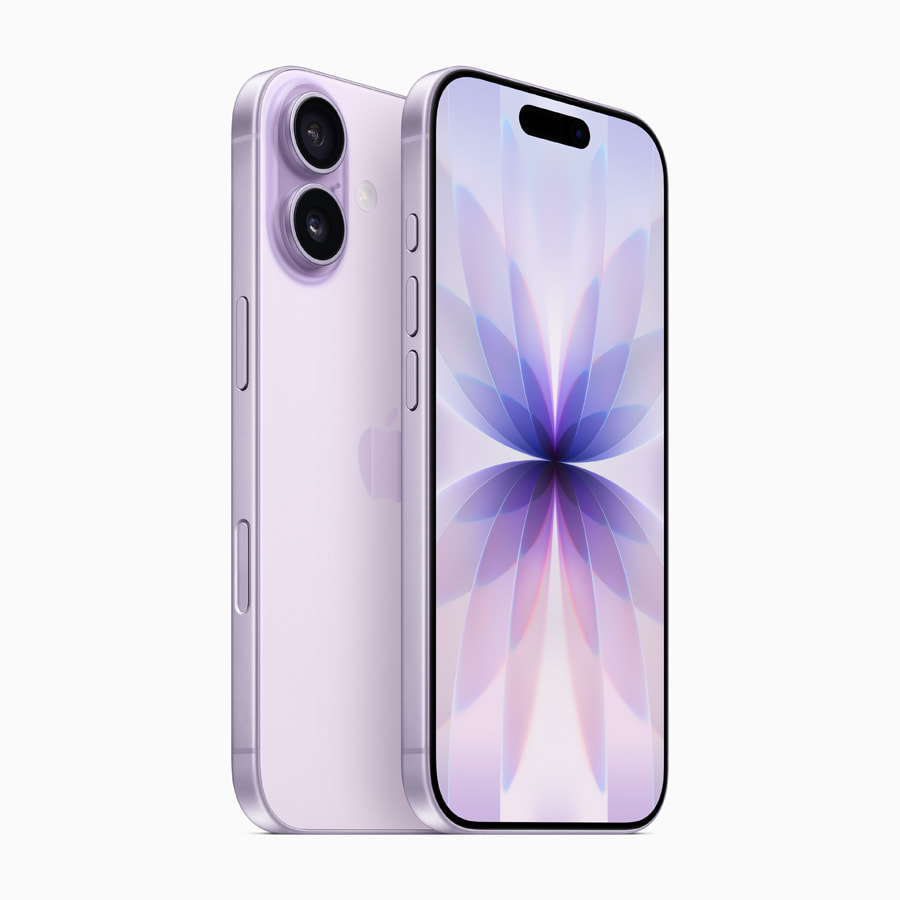
The iPhone 17e adopts a refined flat-edge design with aerospace-grade aluminum and a color-infused matte glass back. It’s slimmer than last year’s model, with reduced bezels and a brighter OLED display.
Key design highlights:
-
6.1-inch Super Retina XDR OLED display
-
Ceramic Shield front
-
IP68 water and dust resistance
-
USB-C port (faster data and charging support)
-
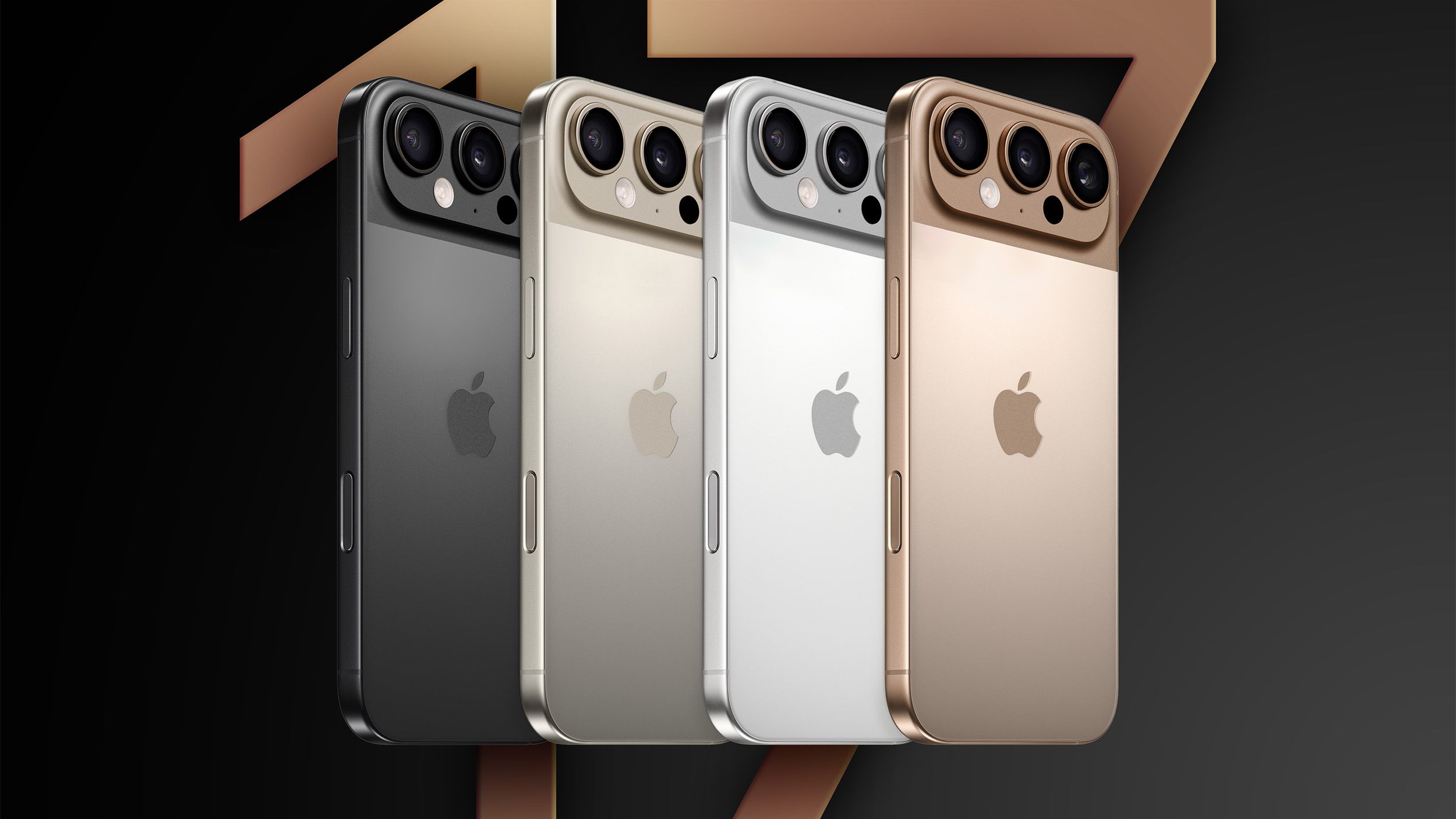
New color options: Midnight Blue, Starlight Silver, Coral, and Graphite
Apple has subtly aligned the iPhone 17e’s look with the flagship models, giving buyers a premium aesthetic at a lower cost.
Performance: A-Series Power with AI Focus
The iPhone 17e is powered by Apple’s latest A18 chip (optimized variant), built on an advanced 3nm process. While slightly downclocked compared to the Pro models, it delivers exceptional real-world performance.
Performance improvements include:
-
20% faster CPU compared to previous generation
-
30% faster GPU rendering
-
Improved Neural Engine for AI tasks
-
On-device generative AI features
Apple is leaning heavily into on-device AI processing, reducing reliance on cloud computation. Features like live transcription, intelligent photo editing, contextual Siri responses, and predictive battery management run directly on the device.
This positions the iPhone 17e as one of the most powerful mid-range smartphones available in 2026.
Camera System: Smarter, Sharper, More Versatile
Apple has upgraded the camera system significantly:
-
48MP main sensor with improved low-light performance
-
12MP ultra-wide lens
-
Enhanced Night Mode and Smart HDR
-
AI-powered image enhancement
Portrait photography benefits from improved depth mapping, while video capture now supports enhanced stabilization and cinematic autofocus.
While it doesn’t include the periscope zoom of Pro models, the iPhone 17e delivers flagship-level quality for everyday users.
Battery Life and Charging
Battery efficiency improves thanks to the 3nm architecture and AI-optimized power management.
-
Up to 22 hours video playback
-
Faster USB-C charging
-
MagSafe compatibility
Apple’s new adaptive charging system uses machine learning to extend battery lifespan by optimizing charging cycles.
💻 iPad Air with Apple M4 chip: Power Meets Portability

The bigger story of Apple’s announcement may be the iPad Air’s leap to the M4 chip — previously reserved for high-end devices.
M4 Chip: Desktop-Class Performance in a Tablet
The M4 chip represents Apple’s next evolution in silicon engineering.
M4 Highlights:
-
10-core CPU
-
12-core GPU
-
Advanced Neural Engine (38 trillion operations per second)
-
Hardware-accelerated ray tracing
-
16GB unified memory option
This is a massive performance leap for the iPad Air. Creative professionals, video editors, designers, and students now gain near-laptop-level power in a lightweight tablet.
Display and Design Upgrades
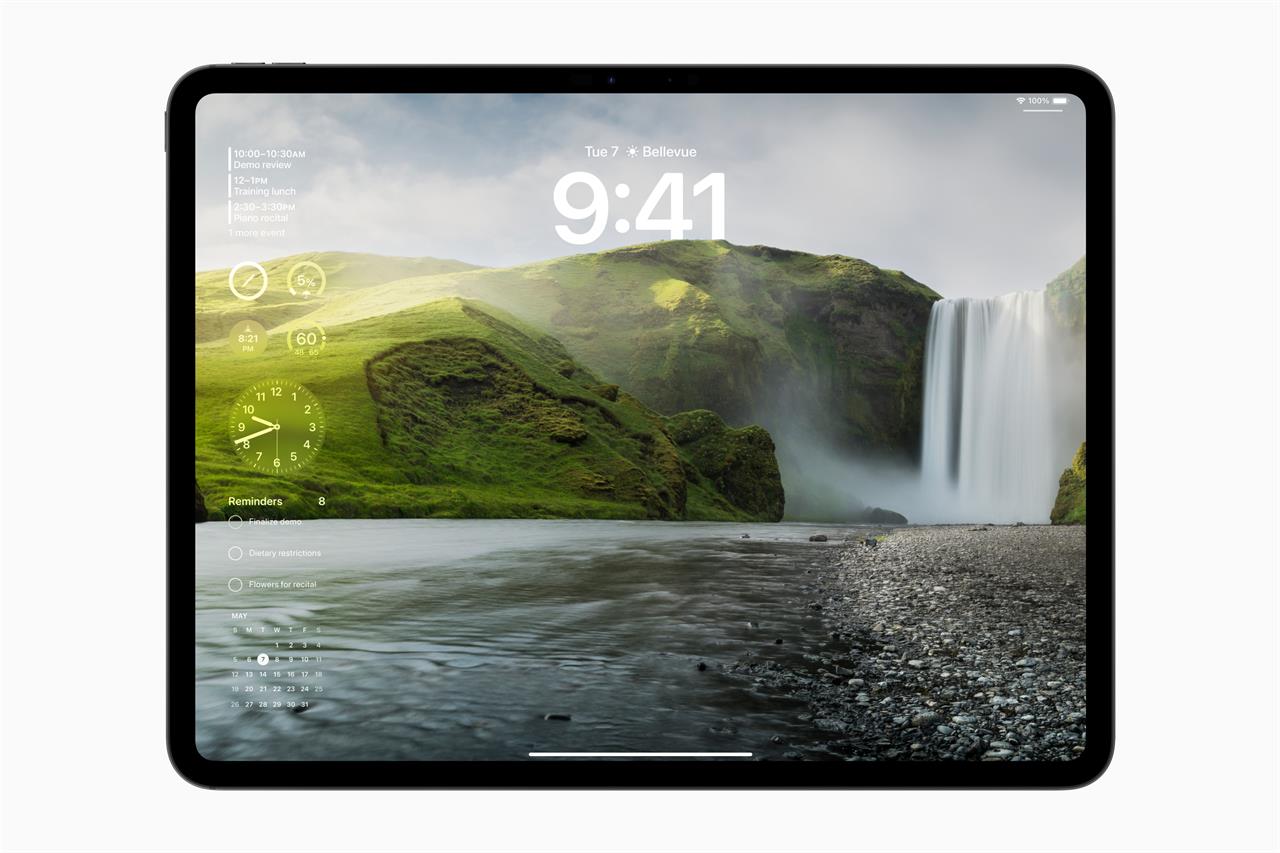
The iPad Air maintains its sleek aluminum design but introduces subtle refinements:
-
11-inch and 13-inch options
-
Liquid Retina display
-
Landscape front-facing camera
-
Improved brightness and color accuracy
The shift of the front camera to landscape orientation dramatically improves video calls and online meetings.
AI and Productivity Enhancements
Apple’s AI ecosystem is deeply integrated into the M4-powered iPad Air.
Users benefit from:
-
On-device AI image generation
-
Smart document summarization
-
Enhanced handwriting recognition
-
Advanced multitasking improvements
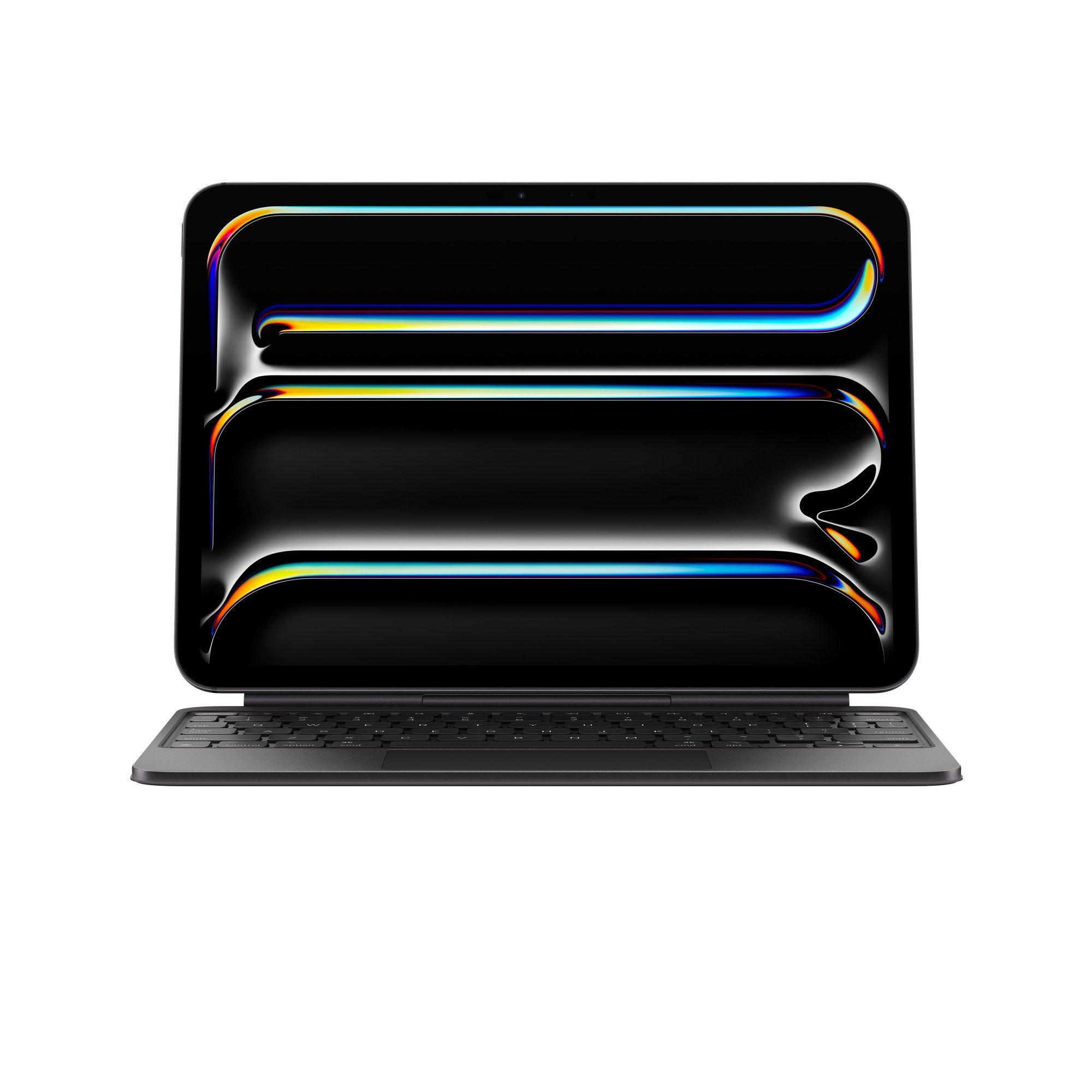
Paired with the Magic Keyboard and Apple Pencil Pro, the iPad Air becomes a legitimate laptop replacement for many users.
Apple’s Strategy: AI, Silicon, and Ecosystem Dominance
This announcement reinforces Apple’s three-pronged strategy:
-
Own the silicon stack (A-series + M-series)
-
Lead in on-device AI processing
-
Strengthen cross-device ecosystem integration
With competitors like Samsung and Microsoft investing heavily in AI PCs and smartphones, Apple’s M4 chip expansion signals that it intends to lead — not follow.
Pricing and Market Positioning
While official UK pricing may vary by configuration, industry analysts expect:
-
iPhone 17e starting around £699
-
iPad Air (M4) starting around £749
This pricing strategy keeps Apple competitive in the mid-to-premium segment while undercutting flagship-tier devices.
For UK consumers — particularly in areas like Basildon and across Essex — this pricing makes high-performance Apple hardware more accessible amid ongoing cost-of-living concerns.
Comparison: iPhone 17e vs Previous Generation
| Feature | iPhone 16e | iPhone 17e |
|---|---|---|
| Chip | A17 | A18 (optimized) |
| Display | OLED 60Hz | Brighter OLED |
| Camera | 12MP main | 48MP main |
| Charging | Lightning | USB-C |
| AI Features | Limited | Advanced On-device AI |
The generational jump is significant — particularly in camera and AI capability.
Comparison: iPad Air M4 vs iPad Pro M4
While both use the M4 chip, the iPad Pro retains:
-
ProMotion 120Hz display
-
OLED tandem display technology
-
Higher storage tiers
However, for most users, the iPad Air now delivers 85–90% of Pro-level performance at a lower price.
Who Should Buy the iPhone 17e?
The iPhone 17e is ideal for:
-
Students
-
Professionals upgrading from older iPhones
-
Content creators on a budget
-
Users who want flagship performance without Pro pricing
It bridges the gap between affordability and premium performance more convincingly than previous “e” models.
Who Should Buy the iPad Air M4?
The iPad Air M4 is perfect for:
-
University students
-
Designers and digital artists
-
Remote workers
-
Video editors needing portability
With M4 power, it competes directly with lightweight laptops.
AI Features: The Real Headline
Both devices showcase Apple’s pivot toward on-device AI.
From real-time transcription to generative editing and predictive suggestions, Apple is embedding intelligence into everyday workflows — while emphasizing privacy.
Unlike some competitors relying heavily on cloud AI processing, Apple’s Neural Engine handles most tasks locally, reducing latency and enhancing security.
Sustainability and Environmental Commitments
Apple continues its push toward carbon neutrality by 2030.
Both devices:
-
Use recycled aluminum
-
Feature reduced packaging
-
Meet strict energy efficiency standards
This aligns with Apple’s long-term environmental roadmap.
Competitive Landscape
Apple faces stiff competition from:
-
Samsung Galaxy S-series
-
Google Pixel devices
-
Microsoft Surface lineup
However, Apple’s custom silicon advantage and ecosystem lock-in remain powerful differentiators.
Early Market Reaction
Tech analysts are calling this one of Apple’s smartest refresh cycles in recent memory.
The inclusion of the M4 chip in the iPad Air — previously reserved for Pro-tier hardware — is seen as a bold move that disrupts pricing tiers and increases consumer value.
Investors are optimistic, viewing the announcement as a catalyst for hardware sales growth in 2026.
What This Means for the Future of Apple Devices
The iPhone 17e and iPad Air M4 point toward a future where:
-
AI becomes deeply embedded in mobile computing
-
Silicon innovation drives product differentiation
-
Mid-range devices gain flagship capabilities
Apple appears committed to democratizing performance without diluting brand prestige.
Final Verdict: A Strategic Win for Apple
The launch of the iPhone 17e and iPad Air with M4 chip is more than a hardware refresh. It is a strategic repositioning of Apple’s mid-tier devices as high-performance, AI-ready tools for the modern user.
For consumers, it means more power for less money.
For competitors, it raises the bar once again.
For Apple, it reinforces its silicon-first, AI-driven future.
As 2026 unfolds, these devices may prove to be the quiet revolution that reshapes the mobile and tablet markets.