


The UK retail landscape is changing faster than ever. From beloved high-street brands shutting doors to exciting new international names launching flagship stores, British shoppers are seeing a transformation that will shape how, where, and what we buy in 2026 and beyond.
If you regularly follow UK consumer trends, supermarket expansions, discount store openings, or high-street closures, this UK Shoppers Alert is your essential guide to major store changes and new openings across England, Scotland, Wales, and Northern Ireland.
In this in-depth report, we’ll cover:
-
Major store closures affecting UK shoppers
-
Supermarket expansions and new discount chains
-
Fashion, beauty, and lifestyle brand openings
-
Retail park and shopping centre redevelopments
-
Online-to-offline brand expansion
-
What these changes mean for your wallet
Let’s dive into the biggest retail shifts happening across the UK.
Why UK Retail Is Changing So Rapidly in 2026
Over the past few years, UK shopping habits have evolved dramatically. Rising living costs, online shopping growth, hybrid work culture, and shifting consumer priorities are all reshaping the high street.
Key drivers behind major store changes:
-
Cost-of-living pressures
-
Increased demand for discount retailers
-
Online shopping dominance
-
Retail park growth over traditional high streets
-
International brands entering the UK market
-
Sustainability-focused shopping trends
According to retail analysts, 2026 could be one of the most transformational years for UK stores in over a decade.
Major UK Store Closures Shoppers Should Know About
1. Wilko Restructuring & Store Replacements


Wilko has undergone significant restructuring, leading to closures in several towns. While some locations have been taken over by discount retailers, others remain vacant.
What This Means for Shoppers:
-
Fewer affordable homeware options in certain areas
-
Replacement stores include discount chains and pound shops
-
Increased competition in value retail
Many former Wilko locations are now reopening under new ownership, often as budget-focused stores.
2. High Street Fashion Chains Scaling Back
New Look and River Island have reduced physical store numbers while strengthening online operations.
Why?
-
Declining footfall in smaller town centres
-
Rising rent and energy costs
-
Shift toward digital-first fashion shopping
For UK shoppers, this means fewer in-store bargains but potentially more online exclusives.
3. Department Store Decline Continues
The traditional department store model continues to struggle. Several regional department stores have announced permanent closures in 2026.
While Marks & Spencer is reinventing locations into food-led stores, some non-food-only branches are being phased out.
Big Supermarket Expansions Across the UK
While some stores close, supermarkets are aggressively expanding.
Aldi & Lidl Opening Hundreds of New Stores
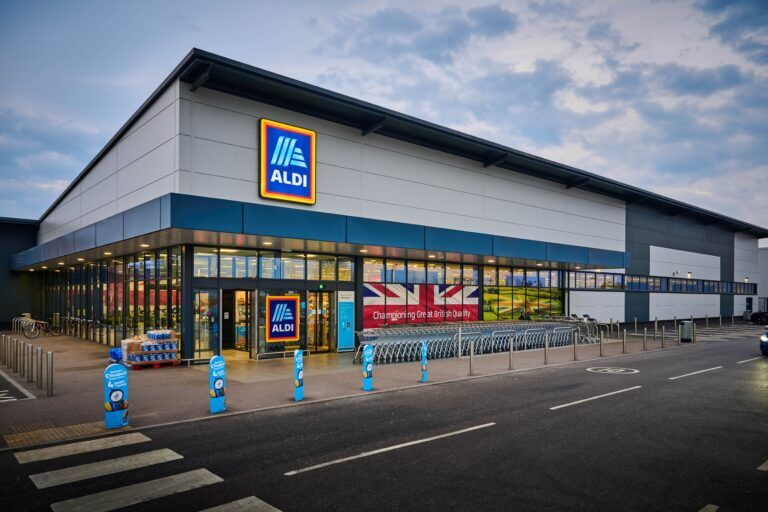


Aldi and Lidl continue dominating UK retail growth.
Expansion Highlights:
-
New locations in suburban and commuter towns
-
Larger-format stores
-
Expanded bakery and fresh sections
-
More self-checkout lanes
These discounters are targeting middle-class areas previously dominated by traditional supermarkets.
Tesco Express & Convenience Boom
Tesco is investing heavily in smaller convenience stores across residential areas.
Why? Hybrid workers shop locally more often.
Tesco’s strategy includes:
-
Urban infill stores
-
Extended hours
-
Click-and-collect integration
Asda Revamp & Price Wars
Asda has been aggressively cutting prices to compete with Aldi and Lidl.
Store revamps include:
-
Brighter layouts
-
Upgraded fresh sections
-
More value-brand focus
Price competition is expected to intensify through 2026.
Exciting New Store Openings in the UK
Now for the good news: several new brands are entering or expanding in Britain.
International Fashion Giants Expanding
Uniqlo Expansion
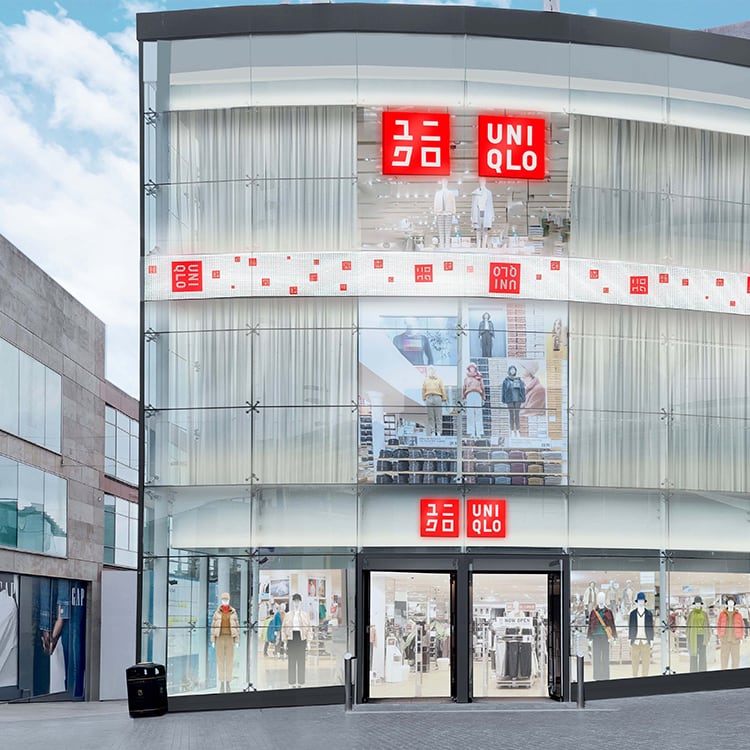
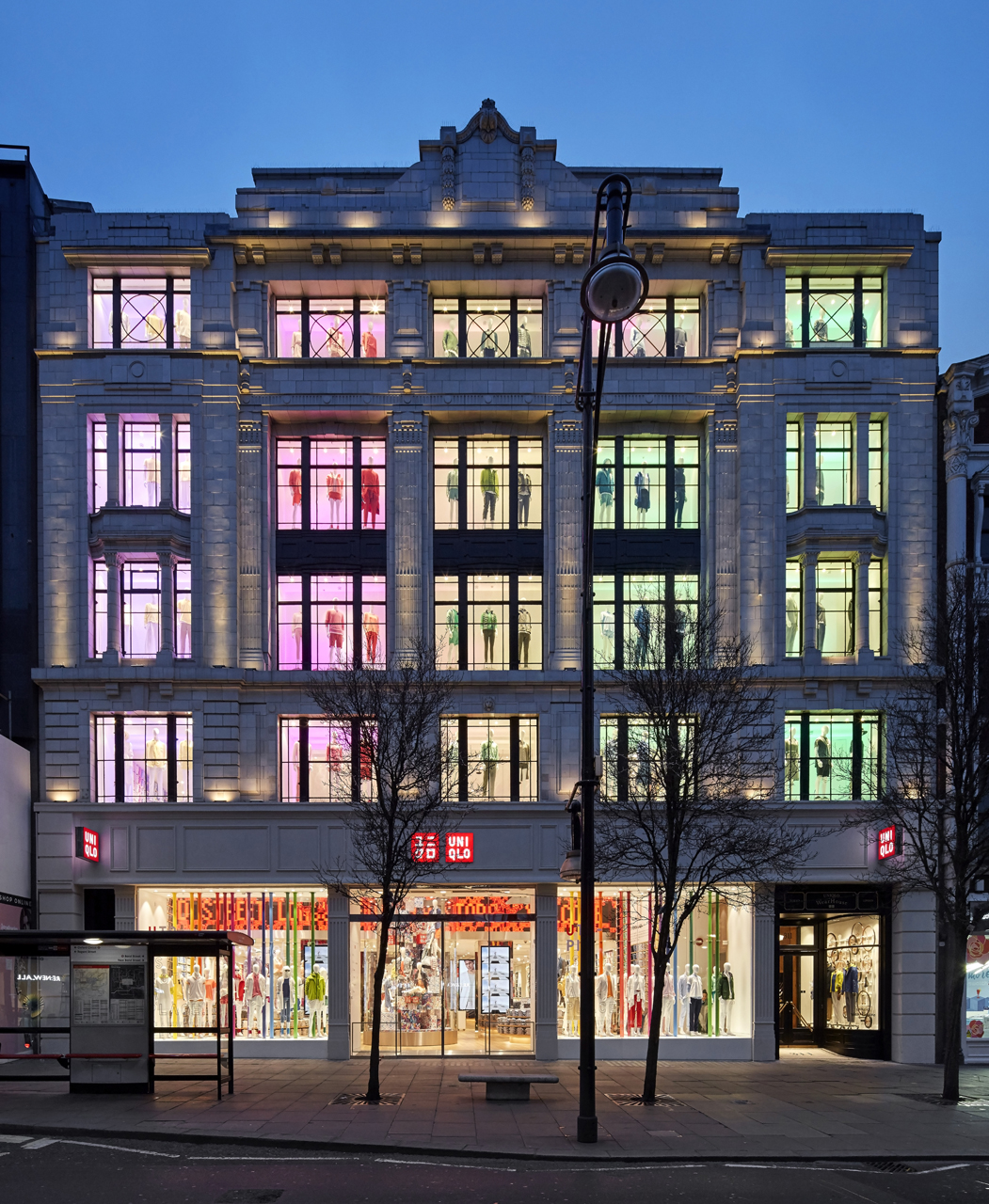

Uniqlo continues to open large UK stores, especially in major cities like London, Birmingham, and Manchester.
Shoppers love:
-
Affordable quality basics
-
Heattech & seasonal ranges
-
Minimalist designs
Sephora’s UK Comeback

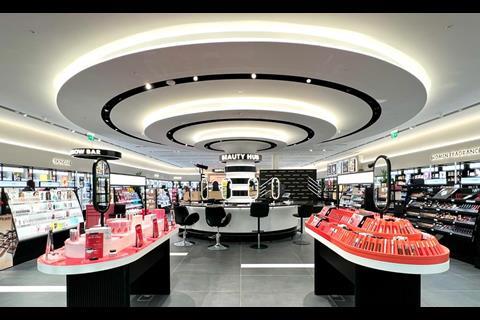

Sephora has re-entered the UK market with flagship openings.
Impact:
-
Major competition for Boots
-
Exclusive beauty brands
-
Large Gen Z customer base
Retail Parks Are Winning Over High Streets
Retail parks in places like Trafford, Lakeside, and Bluewater are thriving.
Why Retail Parks Are Growing:
-
Free parking
-
Large format stores
-
Easy car access
-
Family-friendly layouts
Shopping centres that combine entertainment, dining, and retail are outperforming traditional high streets.
Pound Shops & Value Retail Surge
Poundland continues rapid expansion, particularly in former Wilko and high-street locations.
Why discount stores are booming:
-
Cost-of-living crisis
-
Value-driven consumers
-
Multi-category offerings (food, clothing, home)
Expect more bargain retailers across town centres in 2026.
Online Brands Opening Physical Stores
One of the biggest UK retail trends is digital-first brands opening brick-and-mortar stores.
Examples include:
-
Gymwear brands
-
Sustainable clothing labels
-
Direct-to-consumer beauty brands
This “clicks-to-bricks” strategy helps brands build trust and customer loyalty.
UK Shopping Centre Redevelopments
Major redevelopment projects are transforming retail hubs.
Many older shopping centres are converting space into:
-
Leisure venues
-
Restaurants
-
Co-working spaces
-
Residential apartments
Mixed-use developments are the future of UK retail property.
What These Changes Mean for UK Shoppers
1. More Discount Options
Budget supermarkets and value retailers are expanding, giving consumers more competitive pricing.
2. Fewer Mid-Market Fashion Stores
Mid-tier brands are shrinking, while premium and discount brands grow.
3. Bigger City Flagships
International brands are prioritising major cities over smaller towns.
4. Convenience Over Experience
Local convenience stores are becoming more important than weekly mega shops.
Regional Highlights: Store Changes by Area
London
-
Sephora expansion
-
Uniqlo growth
-
Convenience store boom
Manchester
-
Retail park expansion
-
International fashion openings
Birmingham
-
High street restructuring
-
New mixed-use developments
Scotland
-
Aldi & Lidl growth
-
Retail park popularity
Predictions for UK Retail in Late 2026
Experts predict:
-
More automation in stores
-
Growth in cashier-less technology
-
Continued discount dominance
-
International brands targeting prime retail hubs
Hybrid shopping (online + in-store) will define the next decade.
How Shoppers Can Benefit From These Changes
1. Compare Prices Across Discounters
2. Sign Up for Loyalty Apps
3. Track Grand Opening Offers
4. Watch Clearance Sales From Closures
5. Explore Retail Parks for Better Deals
New openings often come with generous promotional discounts.
Sustainability & Ethical Shopping Trends
UK consumers increasingly prioritise:
-
Sustainable packaging
-
Ethical sourcing
-
Second-hand fashion
-
Repair & reuse services
Brands adapting to sustainability trends are more likely to thrive.
Final Thoughts: A Retail Revolution for UK Shoppers
The UK retail environment in 2026 is undergoing a dramatic transformation. While some familiar names are disappearing from high streets, a new generation of discount giants, international fashion brands, and experience-led retail parks are taking their place.
For shoppers, this shift brings both challenges and opportunities:
-
Better value options
-
More competition
-
More choice in major cities
-
But fewer stores in some smaller towns
The key takeaway? Stay informed. The retail map of the UK is changing — and savvy shoppers who adapt will benefit most.
Frequently Asked Questions (FAQ)
Why are so many UK stores closing in 2026?
Rising operational costs, online shopping growth, and shifting consumer behaviour are key factors.
Which supermarkets are expanding the most?
Aldi and Lidl are currently leading expansion efforts.
Are high streets dying?
Not entirely — but many are transitioning toward mixed-use spaces rather than traditional retail-only models.
Will more international brands enter the UK?
Yes. Several global retailers see the UK as a strong European market.