


The UK retail and consumer market is undergoing one of the most dynamic transformations in its history. From inflation pressures and shifting spending habits to digital acceleration and sustainability-driven purchasing, the sector continues to evolve at pace.
In this in-depth UK Retail & Consumer Market Report, we explore:
-
Latest UK retail sales trends
-
Consumer spending patterns
-
E-commerce growth and omnichannel transformation
-
Inflation impact on households
-
Sector breakdown (grocery, fashion, electronics, home & DIY, hospitality)
-
2026 outlook and investment opportunities
Whether you’re a business owner, investor, marketer, or analyst, this comprehensive report provides data-backed insights and strategic forecasts designed to help you stay ahead in 2026 and beyond.
Overview of the UK Retail & Consumer Market
The UK retail industry is one of the largest in Europe, contributing hundreds of billions of pounds annually to the national economy. Retail remains a major employer and economic indicator of consumer confidence.
Key characteristics of the UK market:
-
Highly digitised consumer base
-
Strong supermarket competition
-
Rapid growth in discount retail
-
Increasing preference for value-driven purchases
-
Strong adoption of online shopping
Post-pandemic behavioural shifts, combined with rising living costs, have permanently altered spending patterns. Consumers are more price-conscious, more digital, and more values-driven than ever before.
UK Retail Sales Performance (Latest Trends)
Retail Sales Growth & Volatility
Retail sales in the UK have seen fluctuating growth over the past few years due to:
-
Inflation spikes
-
Energy price surges
-
Interest rate hikes
-
Supply chain disruptions
Despite volatility, certain segments have demonstrated resilience — especially groceries, discount retail, and online marketplaces.
Grocery Sector Performance
The grocery market remains the backbone of UK retail. Consumers prioritise essential spending, making supermarkets relatively defensive compared to discretionary categories.
Major players include:
-
Tesco
-
Sainsbury’s
-
Asda
-
Aldi
-
Lidl
Discount Retail Surge
Discount supermarkets like Aldi and Lidl have gained significant market share as households trade down from premium brands.
Private-label products are outperforming branded goods due to:
-
Lower price points
-
Improved quality perception
-
Inflation-driven budget tightening
UK Consumer Spending Behaviour (2026)
Consumer sentiment in the UK remains cautious but stabilising. Households are balancing:
-
Rising mortgage payments
-
Energy bills
-
Food price inflation
-
Stagnant real wage growth
Key Behavioural Trends
-
Value over brand loyalty
-
Bulk-buying essentials
-
Reduced discretionary spending
-
Increased comparison shopping online
-
Buy-now-pay-later adoption
Consumers are increasingly using:
-
Price comparison apps
-
Cashback platforms
-
Loyalty schemes
-
Subscription models
E-Commerce & Omnichannel Transformation
The UK remains one of Europe’s most mature e-commerce markets.
Online Retail Growth
Online sales now account for a significant portion of total retail sales, particularly in:
-
Fashion
-
Electronics
-
Beauty
-
Home goods
Major digital leaders include:
-
Amazon
-
ASOS
-
Ocado
Click & Collect Expansion
Click-and-collect services continue to grow as consumers seek:
-
Convenience
-
Delivery cost savings
-
Flexible pickup times
Omnichannel retail strategies now combine:
-
Physical stores
-
Mobile apps
-
Online storefronts
-
Social commerce
Retailers that integrate seamless digital experiences outperform those relying solely on brick-and-mortar.
Sector Breakdown: Performance & Insights
1. Grocery & Food Retail


Trend Summary:
-
Strong resilience
-
Price wars intensifying
-
Growth in private labels
-
Expansion of convenience formats
Supermarkets are focusing on:
-
AI-driven inventory management
-
Own-brand innovation
-
Loyalty data analytics
2. Fashion & Apparel



Trend Summary:
-
Volatile demand
-
Return to occasion wear
-
Growth in resale & sustainable fashion
Key players include:
-
Primark
-
ASOS
Consumers are increasingly prioritising:
-
Sustainability
-
Ethical sourcing
-
Resale platforms
3. Electronics & Tech Retail

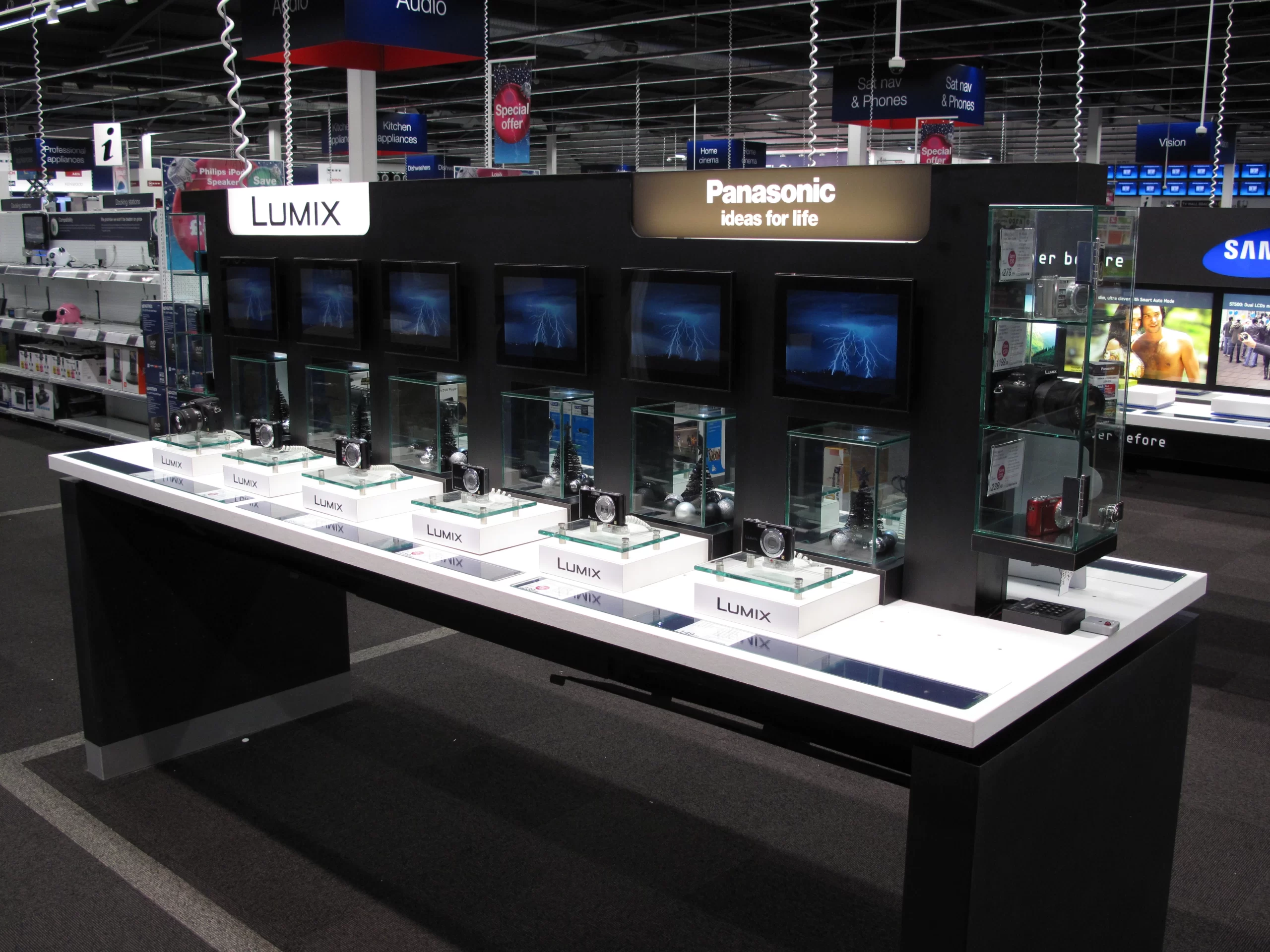
Demand in electronics fluctuates with product cycles and disposable income.
Major retailer:
-
Currys
Growth drivers include:
-
Gaming
-
Smart home devices
-
Refurbished electronics
-
Subscription tech models
4. Home & DIY Retail

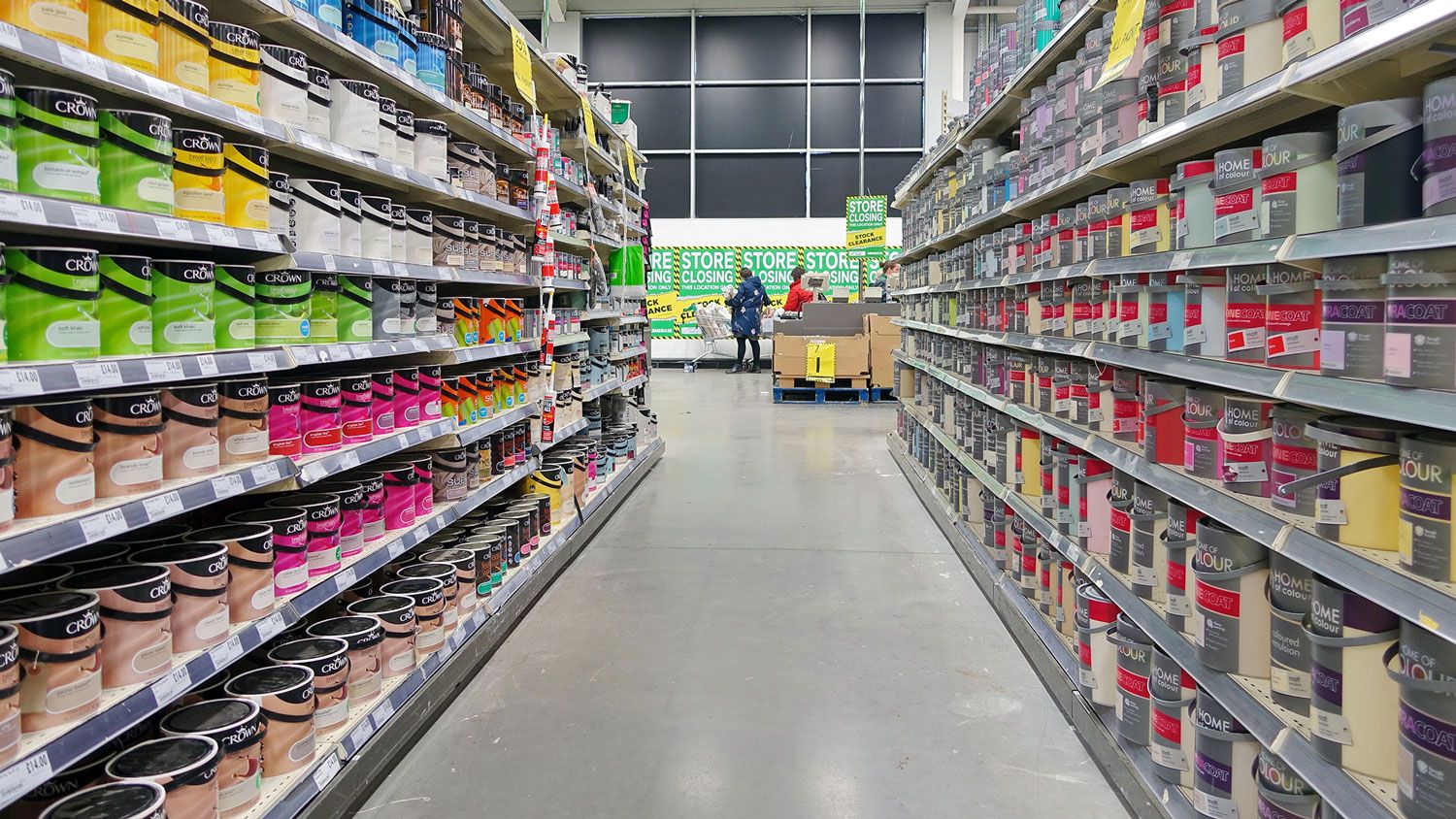

Home improvement surged during lockdown years but has since normalised.
Leading retailers:
-
B&Q
-
Wickes
Spending is now more project-based rather than renovation-driven.
5. Hospitality & Leisure Spending
Consumer spending is gradually shifting back to experiences.
Restaurants, travel, and entertainment are recovering steadily, although cost pressures remain.
Inflation Impact on UK Consumers
Inflation has reshaped purchasing behaviour:
-
Shift to discount retailers
-
Growth of own-brand products
-
Reduced impulse purchases
-
Smaller basket sizes
Even as inflation stabilises, consumer caution remains high.
Retailers must:
-
Optimise pricing strategies
-
Improve supply chain efficiency
-
Enhance value perception
Sustainability & ESG Influence
UK consumers increasingly favour:
-
Eco-friendly packaging
-
Carbon-neutral brands
-
Ethical sourcing
Retailers investing in ESG initiatives are seeing:
-
Stronger brand loyalty
-
Improved long-term trust
-
Positive investor sentiment
Technology & AI in UK Retail
Retailers are investing heavily in:
-
AI-powered pricing
-
Demand forecasting
-
Personalised recommendations
-
Chatbots & automated service
AI is helping retailers:
-
Reduce waste
-
Improve margins
-
Enhance customer experience
UK Retail Market Outlook (2026–2028)
Economic Expectations
-
Gradual inflation moderation
-
Stabilising interest rates
-
Improved real wage growth
-
Moderate GDP expansion
Forecasted Retail Trends
-
Continued growth in discount retail
-
Increased online penetration
-
Greater personalisation via AI
-
Rise of retail media networks
-
Stronger focus on profitability over expansion
Retailers prioritising operational efficiency and data-driven decisions are expected to outperform competitors.
Investment & Business Opportunities
Opportunities in 2026 include:
-
Private-label expansion
-
Retail technology solutions
-
Sustainable product lines
-
Subscription retail models
-
Value-focused brands
International investors continue to view UK retail as attractive due to:
-
Mature digital infrastructure
-
Sophisticated consumer base
-
Regulatory transparency
Key Challenges Ahead
-
Margin pressure
-
Labour cost increases
-
Supply chain fragility
-
Cybersecurity threats
-
Shifting consumer loyalty
Retailers must balance cost control with innovation to remain competitive.
Strategic Recommendations for Retailers
To succeed in 2026, UK retailers should:
1. Double Down on Value
Consumers remain price-sensitive. Competitive pricing and clear value messaging are essential.
2. Invest in Data & AI
Customer data is now the most valuable retail asset.
3. Strengthen Omnichannel
Seamless integration across digital and physical channels improves retention.
4. Prioritise Sustainability
Long-term brand strength increasingly depends on ESG commitments.
5. Optimise Supply Chains
Nearshoring and automation can reduce risk and improve margins.
Conclusion
The UK retail and consumer market remains resilient despite economic headwinds. While inflation and cost pressures have reshaped spending patterns, innovation, digital transformation, and value-driven strategies are driving long-term growth.
Retailers that adapt quickly to:
-
Digital-first consumers
-
Price sensitivity
-
Sustainability expectations
-
AI-driven efficiencies
will emerge as market leaders over the next three years.
The UK retail sector is not shrinking — it is evolving. Businesses that embrace this transformation will unlock significant competitive advantages in 2026 and beyond.
FAQs
How is inflation affecting UK retail sales?
Inflation has reduced discretionary spending and increased demand for discount and private-label products.
Which retail sectors are growing fastest?
Discount grocery, e-commerce, and sustainable products are among the fastest-growing segments.
Is online retail still expanding in the UK?
Yes. Although growth has moderated post-pandemic, online retail penetration remains structurally higher than pre-2020 levels.
What is the UK retail outlook for 2026?
Moderate growth with continued digital expansion, margin discipline, and value-focused strategies.