


The UK retail landscape is evolving fast — and now a major UK furniture store introduces a new way for customers to shop, blending digital innovation with immersive in-store experiences. In a move that could reshape how Britons furnish their homes, IKEA has unveiled a groundbreaking hybrid shopping model designed to make buying furniture faster, easier, and more personalised than ever before.
From augmented reality (AR) tools and AI-powered recommendations to flexible collection hubs and micro-stores in city centres, the furniture giant is redefining what it means to “go furniture shopping” in 2026.
Let’s explore what’s changing, why it matters, and how it could impact shoppers across the UK.
The Evolution of Furniture Shopping in the UK


For decades, furniture shopping followed a familiar pattern:
-
Drive to a large out-of-town warehouse
-
Walk through expansive showroom layouts
-
Write down product codes
-
Queue for collection
-
Arrange delivery
While this model worked well for years, customer expectations have shifted dramatically. Today’s shoppers want:
-
Convenience
-
Speed
-
Digital integration
-
Personalisation
-
Sustainability options
Retailers who fail to adapt risk being left behind — especially as online competitors continue to grow.
What Is the “New Way” Customers Can Shop?
The new system introduced by IKEA combines three major innovations:
1. Digital-First Showrooms
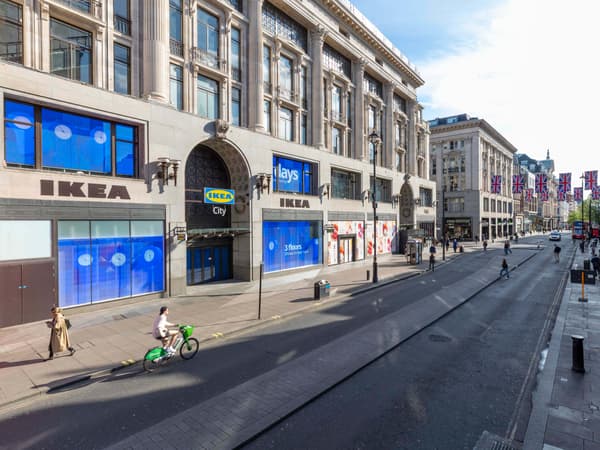
Instead of relying solely on massive warehouse stores, IKEA is expanding:
-
Smaller city-centre stores
-
Interactive digital kiosks
-
Virtual catalogues
-
AR-powered room previews
Customers can now:
-
Browse curated collections in-store
-
Use tablets to customise products
-
Visualise furniture in their home via augmented reality
-
Order for home delivery or local collection
This approach removes the need to carry flat-pack boxes home immediately — unless you choose to.
2. AI-Powered Personal Shopping Assistance
Artificial intelligence is playing a bigger role than ever.
Through the IKEA app and in-store smart stations, customers receive:
-
Style recommendations based on browsing history
-
Size suggestions based on room dimensions
-
Budget-friendly alternatives
-
Sustainability scoring
For example:
If you browse Scandinavian oak dining tables online, the system may suggest matching chairs, lighting, and storage options — automatically generating a coordinated design plan.
This makes furniture shopping feel less overwhelming and more curated.
3. Flexible Fulfilment Options
One of the biggest frustrations in furniture shopping is delivery time. The new model offers:
-
Same-day click & collect
-
Next-day delivery in major UK cities
-
Parcel locker pickups
-
Local micro-warehouses
Customers in London, Manchester, Birmingham, and other urban areas can now receive smaller items within 24 hours.
Large furniture deliveries have also been streamlined through improved logistics networks.
Why This Matters for UK Shoppers
The UK housing market has changed:
-
More renters
-
Smaller urban flats
-
Flexible working
-
Faster lifestyle pace
Traditional out-of-town shopping trips don’t always fit modern schedules.
By introducing:
-
City-centre accessibility
-
Digital design tools
-
Streamlined checkout
-
Faster fulfilment
IKEA is responding directly to real consumer behaviour.
Sustainability: A Core Part of the Strategy
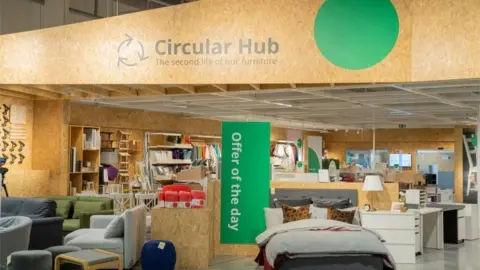
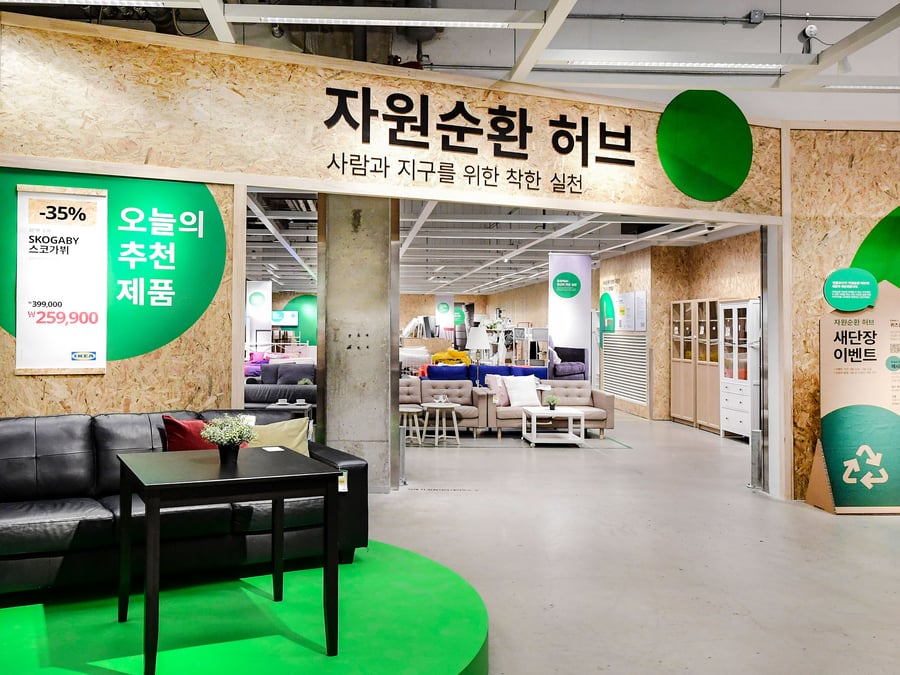
Sustainability isn’t just a buzzword — it’s a driving force.
IKEA has expanded:
-
Buy-back schemes
-
Circular hubs selling returned items
-
Recycled materials
-
Energy-efficient store designs
Customers can now:
-
Trade in old furniture
-
Purchase refurbished pieces
-
Track sustainability ratings
-
Choose lower-emission delivery options
This aligns with growing UK consumer demand for environmentally responsible brands.
How the In-Store Experience Is Changing
The traditional IKEA maze-style showroom isn’t disappearing — but it’s evolving.
New features include:
Smart Navigation
Use the app to:
-
Find items instantly
-
Navigate directly to products
-
Skip sections you don’t need
Digital Checkout
-
Scan and pay via app
-
Avoid queues
-
Store digital receipts
Consultation Zones
Customers can now book:
-
Kitchen planning sessions
-
Wardrobe design consultations
-
Home office layouts
These services blend physical browsing with digital precision.
The Impact on the UK Furniture Market
The move by IKEA is likely to pressure competitors such as:
-
DFS
-
John Lewis
-
Wayfair
Retailers will need to:
-
Improve delivery speeds
-
Invest in AR technology
-
Offer hybrid shopping experiences
-
Enhance sustainability credentials
Expect 2026 to be a transformative year in UK home retail.
How Customers Are Reacting
Early customer feedback highlights:
Positives:
-
Faster shopping process
-
Less physical effort
-
Better visualisation tools
-
More convenience
Challenges:
-
Learning curve for older shoppers
-
Occasional tech glitches
-
Dependence on app usage
Overall, adoption rates are strong — particularly among millennials and Gen Z homeowners.
What This Means for Google Discover & Search Trends
Furniture and home improvement remain highly searched categories in the UK.
Trending queries include:
-
“Best furniture stores UK 2026”
-
“Same day furniture delivery UK”
-
“IKEA new shopping experience”
-
“AR furniture apps UK”
-
“Click and collect furniture near me”
This new shopping model taps directly into these rising search trends — positioning IKEA to dominate online visibility.
The Future of Furniture Shopping in the UK
Looking ahead, we can expect:
-
Fully immersive VR showrooms
-
AI room scans via smartphone
-
Subscription furniture models
-
Furniture-as-a-service plans
-
Increased resale marketplaces
The line between online and offline retail is blurring — and IKEA is leading the shift.
Expert Analysis: Why This Strategy Works
From a retail strategy perspective, this move addresses:
1. Urban Accessibility
City-based stores eliminate travel barriers.
2. Digital Integration
Seamless app + store experience meets consumer expectations.
3. Logistics Innovation
Faster delivery reduces abandonment rates.
4. Sustainability Branding
Enhances long-term loyalty.
This isn’t just a store upgrade — it’s a structural retail transformation.
How to Use the New Shopping Model Effectively
If you’re planning a home refresh, here’s how to maximise the new system:
-
Download the IKEA app
-
Use AR to visualise products
-
Book a design consultation if renovating
-
Check circular hub options for savings
-
Compare delivery speeds before checkout
You can often save both time and money using digital-first features.
FAQs
Is the traditional IKEA warehouse disappearing?
No. Large stores remain operational but are evolving with digital upgrades.
Can I still buy and take items home the same day?
Yes — stock availability remains, but many customers prefer delivery.
Are prices increasing due to the tech investment?
No major pricing shifts have been announced.
Is the AR tool accurate?
Room scaling is generally precise when measurements are entered correctly.
Final Thoughts: A Turning Point for UK Retail
When a major UK furniture store introduces a new way for customers to shop, it signals more than just innovation — it reflects changing consumer behaviour.
IKEA has successfully blended:
-
Physical experience
-
Digital intelligence
-
Sustainability
-
Urban convenience
The result? A retail model built for modern Britain.
As competition intensifies and customer expectations continue rising, one thing is clear:
Furniture shopping in the UK will never be the same again.